Most of us feel better with a little nature nearby. Biophilic interior design builds on that instinct, bringing light, greenery, and natural forms into the rooms we live in.
Plants and windows get most of the attention. Yet botanical fine art photography can carry the same feeling, quietly and without upkeep.
What Biophilic Interior Design Really Means
The word biophilia describes our built-in attraction to living things. Biophilic design turns that idea into a way of shaping space.
In practice, that means natural light, plants, wood and stone, water, and views of the outdoors. It also includes images of nature, which can bring the outdoors in where real greenery can't.
Good biophilic interior design weaves these together rather than relying on one. The result is nature inspired interior design that feels calm and unforced.
Why Natural Forms Feel So Good to Be Around
Nature rarely uses straight lines. Leaves curl, branches fork, and shorelines bend, and the eye seems to relax when it follows those shapes.
Designers have borrowed from nature for centuries. One museum exhibition traced nature's influence on design, from seashell spirals to living structures.
Bringing those forms indoors is the heart of biophilic interior design. It gives the mind small moments of rest throughout the day.
Where Photography Fits When Plants Can't
Not every room suits living plants. Dim corners, busy schedules, pets, and allergies can all get in the way.
That's where biophilic art earns its place. A well-chosen photograph brings in leaves, water, and sky without watering, pruning, or wilting.
It also lasts. While seasonal biophilic decor comes and goes, a fine art print stays fresh on the wall for years.
The Hidden Design in a Single Leaf
Close-up botanical images reveal patterns most people walk past. Veins, spirals, and textures become something to study and enjoy.
Photographers have shown this for about a century. Some of the most famous are early magnified plant photographs that turned single stems into striking studies of form.
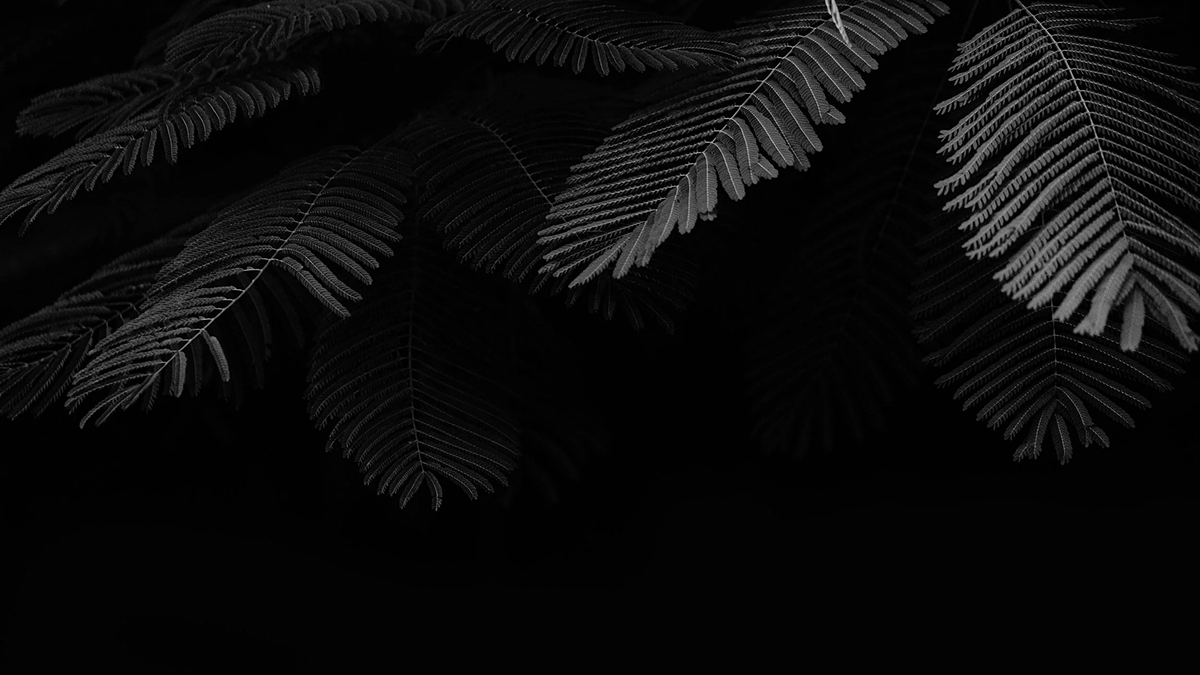
Botanique continues that close way of seeing. Its images come from the dry forests of Harbour Island in the Bahamas. Every leaf there tells a story of resilience.
Wide Views That Open Up a Room
Biophilic interior design also values a sense of outlook. A view across open land helps a room feel larger and more settled.
If your windows face a wall or street, a landscape photograph can supply that missing horizon. Scenes like Val d'Orcia's rolling hills offer depth, soft light, and space to breathe.
Wildlife, Movement, and a Sense of Life
Nature isn't only plants and places. Animals bring energy and a feeling that the world beyond the walls is alive.
Images of graceful sea birds or wild horses add movement without clutter. They pair especially well with plants and natural materials.
Putting It Together Room by Room
A biophilic living room might pair a large landscape with wood, linen, and a few real plants. In a bedroom, soft botanical studies help set a calm, restful tone.
Home offices benefit from a view that rests tired eyes. These simple biophilic design ideas work in nearly any home.
Natural wood or white frames keep the look grounded. If you're unsure which piece suits your space, ask about a Botanique print and its sizing.
A Living Connection on Your Walls
Biophilic interior design isn't about filling every corner with greenery. It's about keeping a quiet thread of nature running through your daily life.
Fine art photography makes that thread easy to keep. For more landscapes, wildlife, and botanical work, browse Lukas Griffin's nature photography.
Frequently Asked Questions
What is the main idea behind biophilic design?
It's the belief that people feel better when connected to nature. Biophilic design brings natural light, materials, plants, and images of nature into everyday spaces.
Can artwork count as biophilic design?
Yes. Images of nature are a recognized part of the approach. Botanical and landscape photography can bring that connection into rooms where plants won't thrive.
Do I need plants for a biophilic interior?
Not necessarily. Plants help, but natural light, wood, stone, and fine art photography of nature can create a similar calm feeling.
What kind of photography works best for biophilic decor?
Close-up botanicals, open landscapes, water, and wildlife all work well. Choose soft, natural tones that echo the materials already in your room.
Which rooms benefit most from biophilic design?
Living rooms, bedrooms, and home offices often feel the difference most. Good biophilic home design starts in the rooms where you spend the most time.
How do frames and materials support a biophilic look?
Natural wood frames, simple mats, and matte finishes echo organic textures. They help the photograph feel like part of the room rather than an add-on.