Fine Art Flower Photography: From Creative Vision to Timeless Wall Art

A flower photographed with genuine artistic intent looks nothing like a flower photographed casually. One records what was there. The other captures what it felt like to stand in its presence. That distinction is what fine art flower photography is built on.
Whether you're a collector, a buyer looking for the right piece for a space, or simply curious about this corner of the art world, this guide covers what defines fine art flower photography, how it's made, and how to choose prints that genuinely belong in your space. That same philosophy of finding meaning in the natural world runs through Lukas Griffin's fine art photography, which centers on the relationship between beauty, nature, and human experience.
What Is Fine Art Flower Photography?
Fine art flower photography is the artistic interpretation of floral subjects. It isn't documentation. It isn't decoration. It's photography made with a deliberate creative vision, where every decision about light, composition, and presentation serves an emotional intention.
The difference between a casual flower photograph and a fine art one comes down to intent. A fine art photographer doesn't simply point a camera at something beautiful. They ask what they want the viewer to feel, then build every technical choice around that answer. Photography's relationship with botanical subjects goes back to the very origins of the medium, as explored in depth by The Huntington Library's research into photography's long connection with the plant world.
Why Flowers Are a Powerful Subject in Fine Art
Flowers carry symbolic weight that few other subjects match. They represent beauty, impermanence, growth, and decay all at once. A single bloom in peak color and a petal beginning to curl at its edge can tell the same story as any landscape or portrait.
That's why flowers have drawn artists and photographers across centuries. As the Yale University Art Gallery's exhibition on Photography and the Botanical World demonstrates, photographers from early Pictorialists through to contemporary artists have returned to botanical subjects repeatedly. They do so not because flowers are easy or decorative, but because they hold genuine emotional complexity within a compact and intimate frame.
Key Styles in Fine Art Flower Photography
Fine art flower photography isn't one visual language. It spans a range of approaches, each with its own emotional register.
Dark and Moody Floral Photography
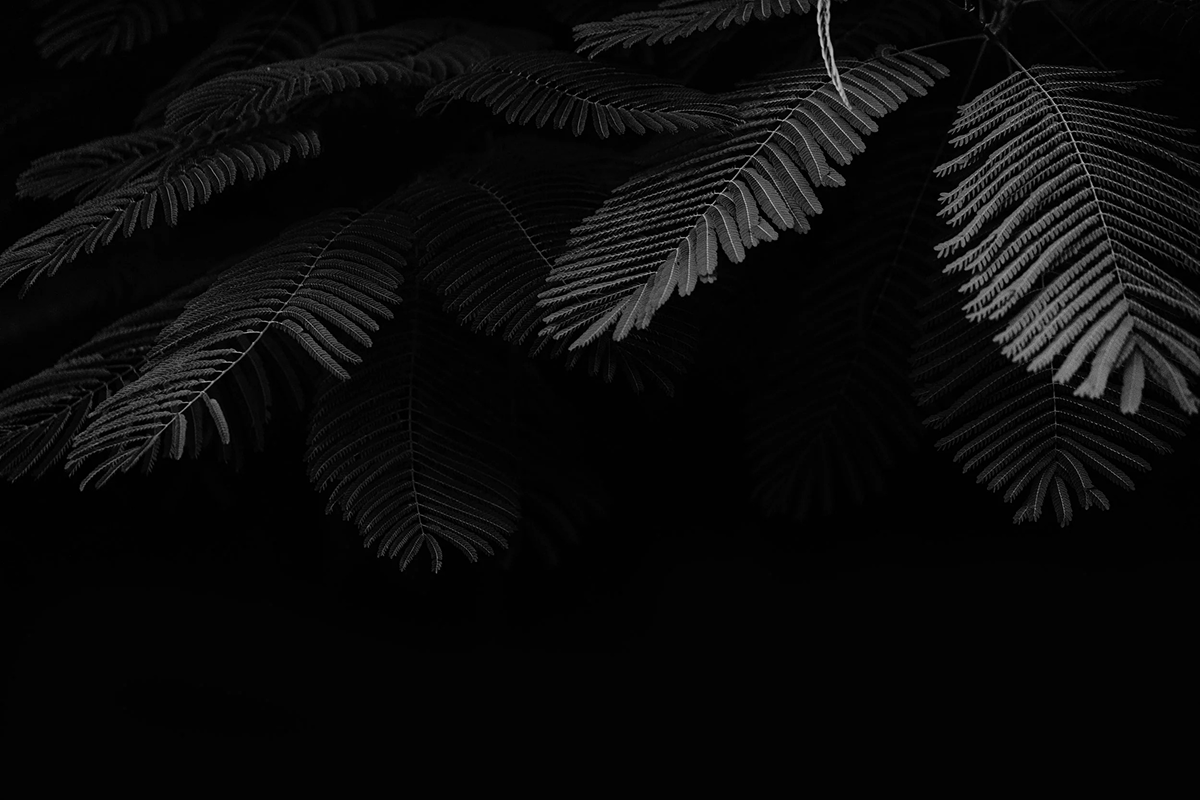
Dark and moody floral work uses dramatic lighting and deep shadows to create tension and depth. These images feel theatrical and intense. A single bloom illuminated against near-black space carries a sense of both presence and fragility that brighter treatments rarely achieve.
Soft and Minimalist Floral Art
Minimalist floral photography strips the frame to its essentials. A single stem, a clean background, and soft diffused light create images that feel quiet and considered. These prints work particularly well in homes and contemporary office environments where visual calm matters.
Black and White Flower Photography
Removing color forces the image to communicate through form, texture, and light alone. Black and white flower photography reveals structural details that color sometimes obscures. The results tend to feel timeless and work naturally in both traditional and modern interiors.
Macro and Close-Up Detail
Macro flower photography moves into the intimate architecture of a petal or stamen. At this scale, flowers become abstract. Shape, texture, and light take over entirely from literal representation. These images reward close attention and make striking statement pieces.
Techniques Behind Stunning Floral Images
The technical decisions in fine art flower photography directly shape its emotional impact. Creative vision in fine art photography always begins before the camera is raised. Here's how that vision gets translated into a finished image.
Lighting
Soft, diffused light creates a gentle, painterly quality suited to romantic and minimalist floral work. Dramatic directional light builds contrast and shadow, giving moody floral images their depth and tension. Natural window light offers a quiet, organic warmth. Studio lighting gives the photographer complete control over mood and emphasis.
Composition
Negative space is one of the most powerful compositional tools in floral photography. Allowing the flower to breathe within the frame gives it presence. Framing choices, the relationship between the subject and its surroundings, and what the photographer deliberately leaves out all carry as much meaning as what's included.
Still Life Setups
Still life arrangements bring control and intentionality to floral photography. The photographer selects each element, the flower, the surface, any accompanying objects or fabrics, and constructs the entire image before a frame is captured. Still life floral photography sits closest to painted traditions and often carries the strongest sense of deliberate artistic authorship.
Post-Processing
Post-processing in fine art flower photography serves the original vision rather than correcting a weak image. Tonal adjustments, color grading, and contrast work refine the emotional atmosphere the photographer intended from the start. The final edit is an extension of the creative process, not a separate step.
From Photograph to Fine Art Print
The journey from a captured image to a fine art print is where the photograph becomes a physical art object. Paper, materials, and printing quality shape how the finished piece looks and feels on a wall.
Museum-grade fine art papers bring different qualities to floral subjects. A soft matte cotton rag suits minimalist and romantic floral work. A textured surface adds depth to dark and moody compositions.
Understanding the range of fine art print materials and finishes helps buyers make choices that genuinely serve both the image and the space it will live in. Print quality separates a collectible fine art piece from a reproduction, and the difference is immediately visible in person.
Choosing Flower Photography for Your Space
The right floral print depends on the space it's destined for and the emotional tone you want it to carry.
| Space | Recommended Style |
|---|---|
| Home living areas | Soft, calming florals on matte cotton rag |
| Home office | Minimalist black and white floral prints |
| Commercial or hotel spaces | Bold, dramatic dark and moody compositions |
| Gallery or collector display | Conceptual or macro prints on textured fine art paper |
Consider color palette and scale alongside style. A large-format dark and moody floral brings drama to a high-ceilinged room. A smaller minimalist piece suits an intimate reading corner.
The emotional tone of the work should match the purpose of the space, not just its aesthetic. Browse available fine art photography collections to see how different subjects and styles translate to finished prints.
The Artistic Perspective on Floral Fine Art
Flowers are among the most photographed subjects in the world. What makes fine art floral photography distinct isn't the subject itself. It's the depth of attention brought to it.
A fine art photographer approaches a flower the way a painter approaches a canvas. Every element is chosen. Every light source is considered. Every decision from how the image is captured to how it's printed and presented reflects a commitment to craft that elevates the work beyond decoration into something genuinely worth collecting.
Turning Nature Into Timeless Art
Fine art flower photography belongs in spaces that deserve more than generic wall coverings. It belongs in homes where the natural world feels present even indoors. It belongs in offices where calm and beauty serve a purpose. It belongs in collections built by people who understand that nature, approached with genuine artistic vision, produces some of the most emotionally resonant art available.
If you'd like guidance finding the right floral fine art print for your space or collection, get in touch and let's talk through what you're looking for.
Frequently Asked Questions
What is fine art flower photography?
Fine art flower photography is the artistic interpretation of floral subjects through deliberate creative vision. Unlike casual flower snapshots, it prioritizes emotion, composition, and intent, producing images made for galleries, collections, and spaces where art carries genuine meaning.
How is fine art flower photography different from regular photography?
Regular flower photography documents what a flower looks like. Fine art flower photography communicates how it feels. The difference is artistic intent, deliberate technical choices, and the commitment to producing work that resonates beyond its literal subject.
What techniques are used in floral photography?
Key techniques include deliberate lighting choices, intentional composition using negative space, controlled still life setups, and careful post-processing. Each decision serves the emotional goal of the image rather than simply improving technical quality.
Why are flowers popular in fine art?
Flowers carry rich symbolic meaning around beauty, impermanence, and the natural cycle of growth and decay. They offer complexity within an intimate subject, which is why photographers across every era have returned to them as a serious fine art subject.
What is the best lighting for flower photography?
It depends on the desired mood. Soft, diffused natural light creates warmth and intimacy. Dramatic studio lighting builds contrast and shadow for moody, intense compositions. Neither is universally better. The right choice depends on the emotional tone the photographer is working toward.
Can flower photography be black and white?
Yes, and it's one of the most powerful approaches in fine art floral work. Removing color shifts the viewer's attention to form, texture, and light, revealing structural details that color photography sometimes obscures. Black and white floral prints carry a timeless quality that suits a wide range of interior styles.
What makes a flower photo look artistic?
Intentional composition, mastery of light, and genuine emotional depth separate artistic flower photography from decorative snapshots. An artistic floral image communicates something specific beyond its subject, using every visual element to support a single emotional intention.
How do you turn flower photos into wall art?
The process involves selecting the right fine art paper, choosing appropriate print dimensions for the intended space, and producing the print using museum-grade archival materials. Proper framing with UV-protective glazing completes the transition from image to collectible wall art.
What type of flower photography is best for home decor?
Soft, calming floral images on matte cotton rag paper suit most home environments. Minimalist compositions work particularly well in contemporary interiors. The key is matching the emotional tone of the image to the mood of the room rather than simply choosing a visually appealing flower.
Where can I buy fine art flower photography prints?
Fine art flower photography prints are available through galleries, curated online platforms, and directly from photographers. Buying directly from an artist gives you authenticity, access to limited editions as they're released, and a direct connection to the creative intent behind the work.