Most Famous Locations for Fine Art Landscape Photography
Walk into any gallery featuring fine art landscape photography and you'll notice something interesting. Certain places appear again and again. Yosemite's granite walls. Iceland's waterfalls. The red rocks of the American Southwest. These aren't random choices. Specific locations have earned their prominence in fine art landscape photography through a combination of visual drama, historical significance, and the emotional connections they create.
Understanding why these places matter helps you appreciate the photography that captures them. When you recognize a location in fine art landscape photography prints, you bring your own experiences and aspirations to the work. That recognition adds layers of meaning every time you see the piece on your wall.
The relationship between place and artistic expression in landscape photography runs deeper than simple documentation of beautiful scenery. These locations inspire photographers to return repeatedly, each visit revealing new interpretations and moments worth capturing.
Why Certain Locations Become Icons in Fine Art Landscape Photography
Not every beautiful place achieves significance in fine art photography. The locations that do share specific qualities that set them apart from countless other scenic destinations around the world.
What elevates certain places to iconic status:
Dramatic natural features providing compelling visual elements that photograph exceptionally well
Unique geological or atmospheric conditions rarely duplicated elsewhere
Historical importance in the evolution of landscape photography as an art form
Ability to inspire fresh artistic interpretation despite being frequently photographed
The distinction between tourist destinations and photographer's destinations matters. Tourist spots prioritize convenience, amenities, and easy access to viewpoints. Photography locations offer something different. They provide unique visual opportunities, dramatic weather patterns, and conditions that change constantly. The best locations reward patient observation and return visits with entirely different moods and atmospheres.
Fine art landscape photography seeks places that offer both immediate visual impact and subtle discoveries that emerge through careful attention. These locations become subjects of ongoing artistic exploration rather than one-time captures of obvious beauty.
Yosemite: The Birthplace of Fine Art Landscape Photography
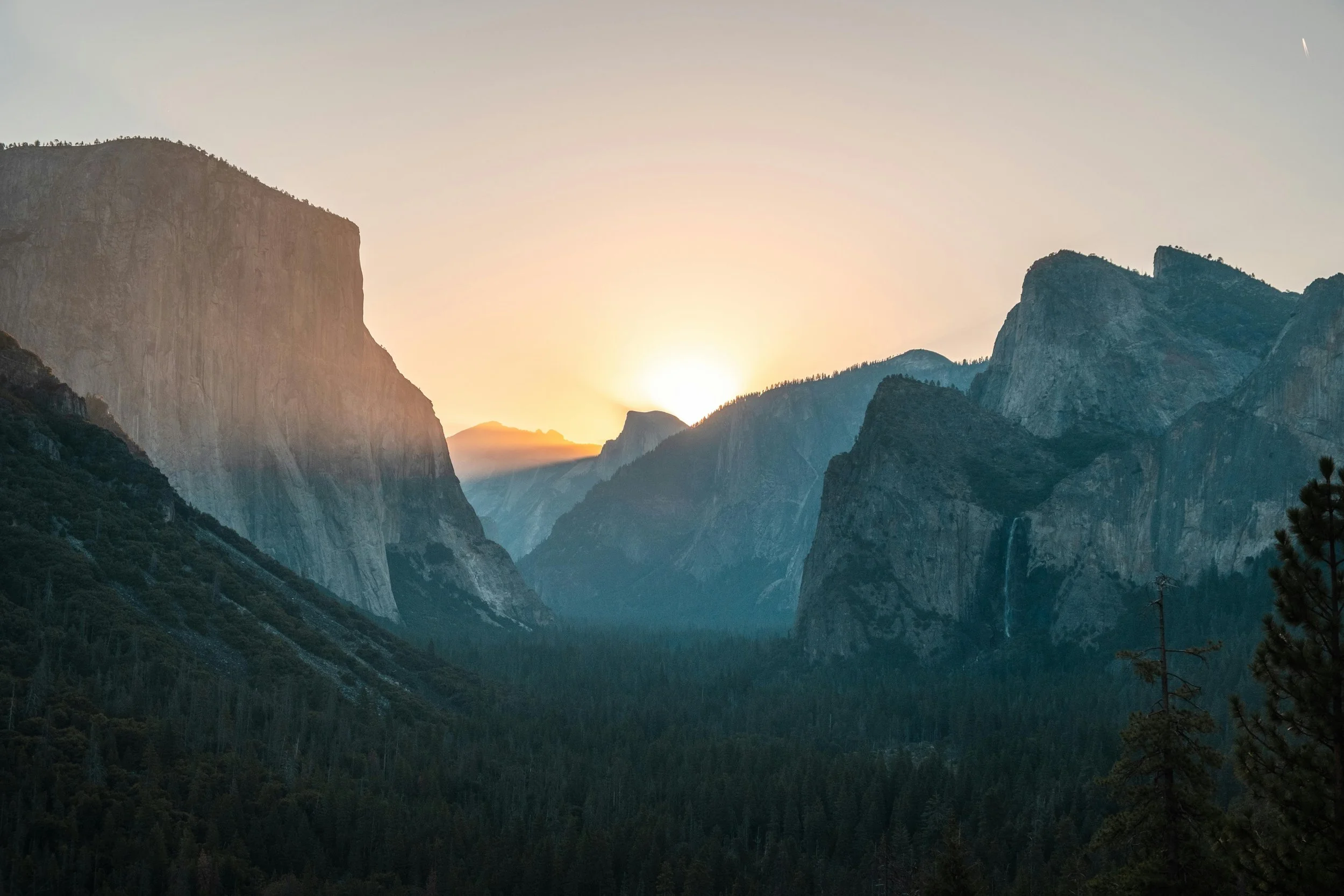
Yosemite National Park holds unique significance in the history of fine art landscape photography. This California destination became the proving ground where photography established itself as a legitimate fine art medium, largely through the work of photographers like Ansel Adams who showed what the art form could achieve.
The park's granite formations define what many people envision when they think of dramatic landscape imagery. Half Dome's distinctive shape has become synonymous with American wilderness. El Capitan's sheer face demonstrates nature's capacity for scale that humbles human perspective. Yosemite Falls offers seasonal drama as spring snowmelt creates thundering cascades that diminish to trickles by late summer.
Why Yosemite matters for collectors:
Historic importance connecting your collection to photography's evolution as fine art
Granite formations that create strong focal points with their bold shapes and textures
Seasonal transformations offering different interpretations of the same iconic views
Emotional resonance many Americans feel toward this landscape
When viewing Yosemite fine art landscape photography, you might encounter classic compositions that honor the location's photographic heritage. You might also find fresh interpretations that reveal unexpected angles on familiar subjects. Spring brings peak waterfall flow and meadow wildflowers. Winter transforms the valley with fog and snow. Each season offers photographers new conditions to interpret.
The enduring appeal of Yosemite in fine art collections speaks to both the location's visual power and its place in American cultural identity. Owning photography from Yosemite connects you to a specific tradition while bringing wilderness grandeur into your daily environment.
Iceland: Where Earth Reveals Its Raw Power
Iceland represents a more recent chapter in fine art landscape photography's story. This North Atlantic island has become one of the most compelling subjects for contemporary landscape photographers, offering visual drama that seems almost constructed rather than natural.
The island's appeal stems from its concentrated diversity. Within hours of driving, you encounter glaciers, volcanic formations, powerful waterfalls, black sand beaches, and geothermal areas producing otherworldly colors. The landscape feels raw and elemental in ways that more established ecosystems don't.
Iceland's distinctive locations in fine art photography:
Kirkjufell mountain rising dramatically from the Snæfellsnes Peninsula
Jökulsárlón glacier lagoon where blue ice floats against black sand
Skógafoss waterfall creating rainbows in its perpetual mist
Reynisfjara black sand beach with basalt columns and powerful Atlantic waves
Light conditions in Iceland add another dimension to its photographic appeal. Summer brings extended daylight with golden hours stretching for hours. Winter darkness creates opportunities for Northern Lights photography. The constantly changing weather produces dramatic atmospheric conditions that transform scenes minute by minute.
For collectors, Iceland photography offers a sense of discovery and otherworldly beauty. These landscapes feel both familiar and alien, recognizable as Earth but unlike anywhere most people have experienced. The cool tones and dramatic contrasts work particularly well in contemporary spaces while the raw power of the landscapes creates strong emotional impact.
American Southwest: Desert Light and Ancient Landscapes
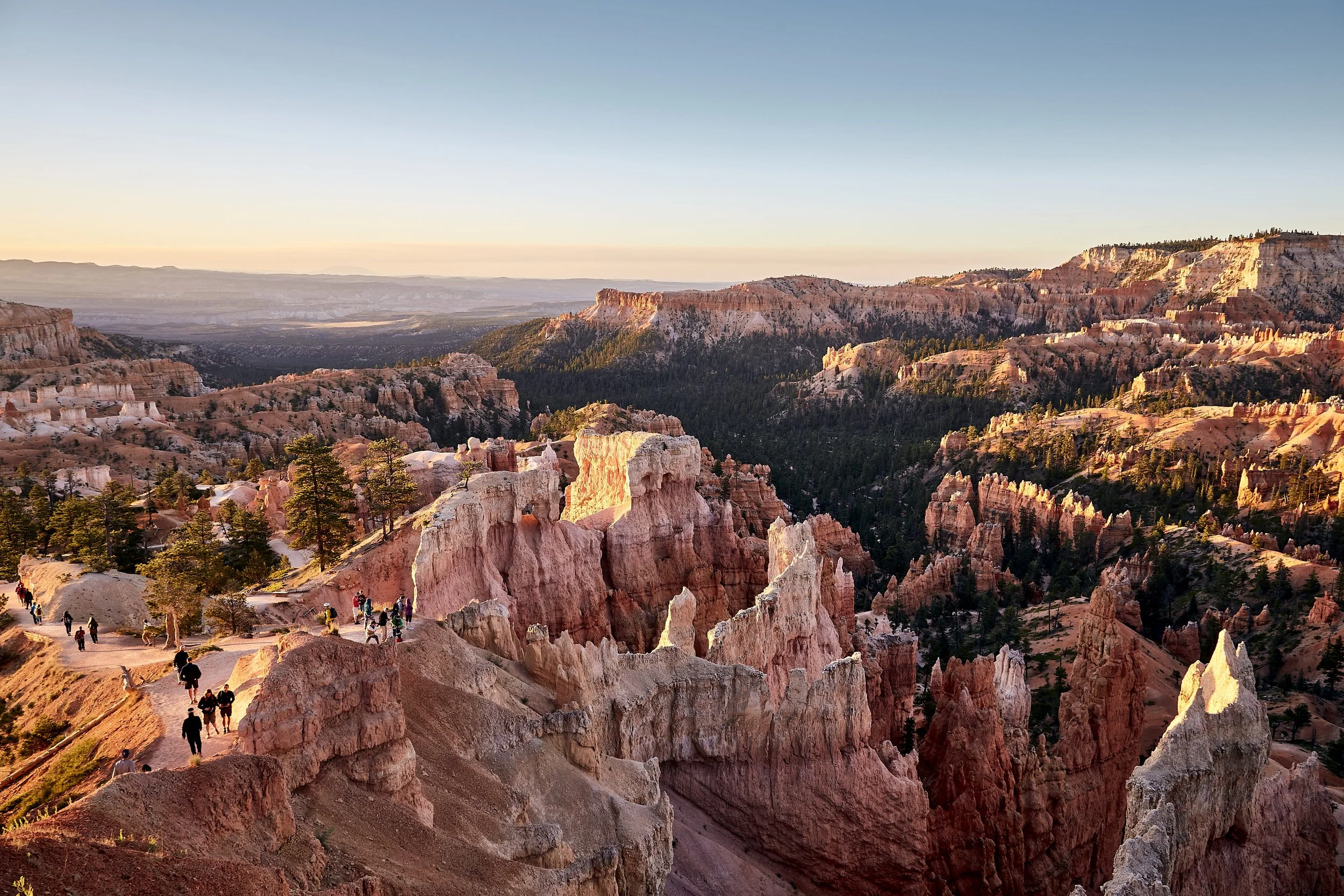
The American Southwest provides fine art landscape photography with a completely different character. Red rock formations, deep canyons, and high desert spaces offer warmth, color, and geological features shaped over hundreds of millions of years.
Significant Southwest locations include the Grand Canyon's incomprehensible scale revealing layered geology like pages of Earth's history. Antelope Canyon's flowing sandstone walls create abstract passages of light and stone. Sedona's red rocks glow against impossibly blue skies. Monument Valley's isolated buttes rise from flat desert floors with shapes so iconic they've defined the visual language of the American West.
What makes these desert landscapes significant:
Warm earth tones that complement many interior design approaches
Connection to American West mythology and cultural narratives
Ancient geology evoking timelessness and permanence
Light quality that creates constantly shifting moods throughout the day
The Southwest offers fine art landscape photography unique color palettes. Morning and evening light intensifies the red and orange tones in the sandstone. Midday sun creates stark contrasts between brilliant sky and shadowed canyon walls. Storm light produces dramatic conditions as clouds interact with the vast open spaces.
For collectors drawn to warmer tones and geological drama, Southwest photography brings that distinctive landscape character into living spaces. The sense of ancient time embedded in these formations adds contemplative depth to the visual beauty.
Mountain Ranges: Vertical Drama and Alpine Beauty
Mountain locations provide fine art landscape photography with vertical scale and seasonal transformation. These places offer the combination of massive geological features and delicate alpine details that create compelling visual contrasts.
The Grand Tetons rise abruptly from valley floors in Wyoming, creating some of the most dramatic relief in North America. Their reflection in alpine lakes like Jenny Lake and Jackson Lake provides classic landscape photography compositions. The Canadian Rockies showcase turquoise glacial lakes like Louise and Moraine against snow-covered peaks. Patagonia's Torres del Paine and Mount Fitz Roy present jagged granite spires that define mountainous drama.
Why mountains matter in fine art collections:
Sense of majesty and grandeur creating strong focal points
Seasonal variation from autumn gold to winter white
Connection to wilderness aspiration and adventure
Scale that reminds viewers of nature's power
Mountain photography often captures the interplay between permanent stone and ephemeral conditions. Early morning light painting peaks pink while valleys remain in shadow. Storm clouds gathering around summits. Fresh snow transforming familiar shapes. These moments require photographers to be present during specific conditions, adding value to successful captures.
What Location Means for Your Collection
Understanding the significance of famous locations enriches your experience of fine art landscape photography. When you recognize a place, whether from personal visits or cultural familiarity, you engage with the work on multiple levels simultaneously.
Your relationship with location-based photography deepens when you consider personal connections. Perhaps you've stood where the photographer stood, bringing your own memories to the image. Perhaps you dream of visiting, making the photograph aspirational. Either way, location recognition creates dialogue between your experience and the artist's interpretation.
Consider when selecting location-based photography for your collection:
Personal connection to places you've visited or want to experience
Emotional resonance that specific landscapes evoke in you
How recognition adds meaning to daily viewing
Whether you prefer classic interpretations or fresh perspectives
The value of understanding location goes beyond simple recognition. You appreciate what conditions make certain moments special. You understand why photographers return to the same places repeatedly. You recognize when an artist has captured something exceptional rather than merely documenting obvious beauty.
Famous locations in fine art landscape photography earn their prominence through genuine visual and emotional power. These places inspire exceptional work because they offer photographers both immediate drama and subtle rewards for patient observation. Whether you seek connection to landscapes you know or aspiration toward places you hope to visit, location significance adds depth to the photography you choose for your space.
If you're interested in exploring fine art landscape photography from significant locations, you can view work that captures these iconic places with distinctive artistic vision at Lukas Griffin Photography or reach out to discuss how specific landscapes might resonate with your own experiences and aesthetic preferences.