What Is Fine Art Photography and Why It Belongs in Your Space

You've probably seen a photograph that stopped you mid-scroll. Not because it was technically impressive, but because it made you feel something. That's the defining quality of fine art photography.
So, what is fine art photography, exactly? It's photography created with one purpose: artistic expression. The image isn't made to sell a product or document an event. It's made to evoke emotion, communicate an idea, or capture the world through a photographer's unique vision.
That's the philosophy behind Lukas Griffin's work, which explores the intimate connection between humans, wildlife, and the natural world.
Fine Art Photography, Defined Simply
The fine art photography definition is straightforward at its core. A photographer creates an image driven by personal vision, not a client's brief. The work is made for galleries, private collections, and spaces where art enriches daily life.
What separates it from other photography is intent. It's not about what's in the frame. It's about why the photographer chose to capture it at all.
What Makes a Photograph Fine Art
Not every beautiful photograph qualifies as fine art. Several specific qualities consistently separate it from other types.
Artistic Intent
The photographer isn't fulfilling an assignment. They're expressing something personal and specific. Every creative decision, from subject to light to timing, serves that artistic vision rather than an external requirement.
Intentional Composition
Fine art photographers control every visual element in the frame deliberately. Composition, light, and color are never left to chance. Post-processing refines the image rather than masking weak fundamentals.
Emotional or Conceptual Depth
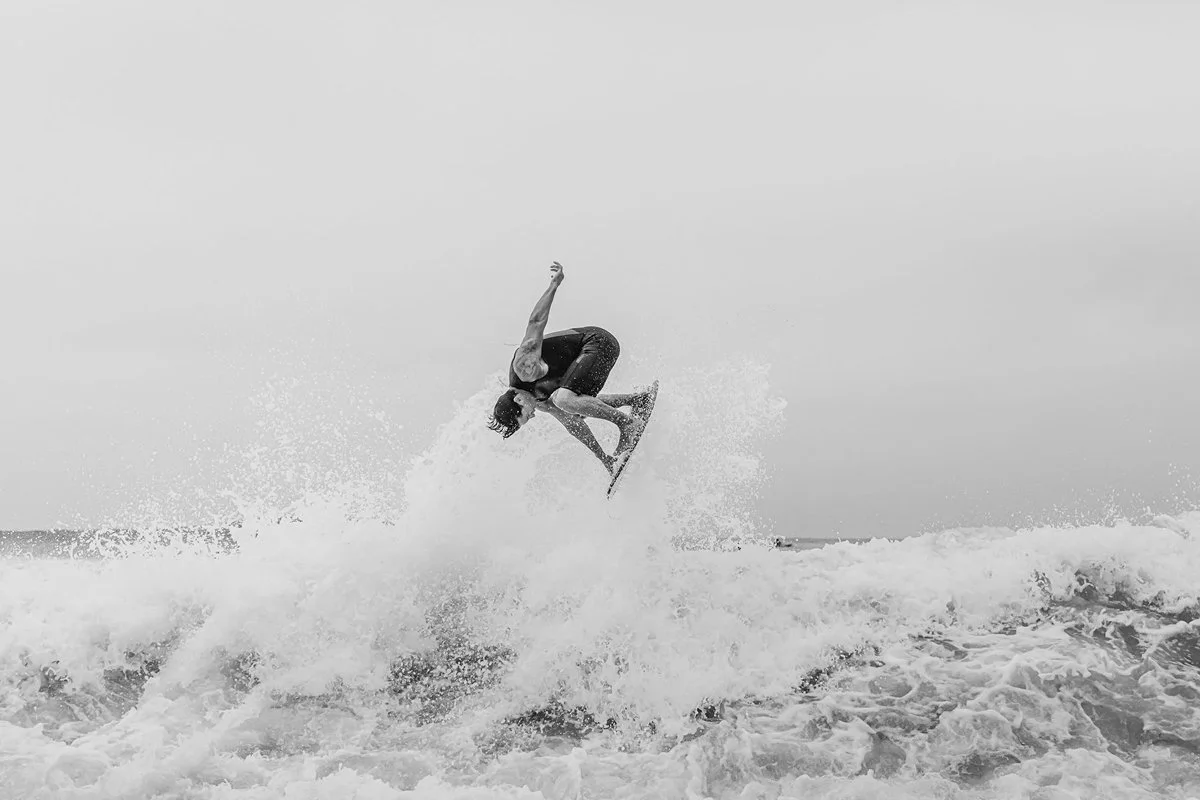
A fine art photograph communicates beyond its literal subject. A crashing wave becomes a meditation on power and impermanence. A horse in motion becomes a symbol of freedom and wildness. The viewer brings their own interpretation, and the image holds up to it.
Print Quality and Presentation
The final print matters as much as the image itself. Fine art photography prints are produced on archival materials built to last for generations. Limited edition numbering, artist signatures, and certificates of authenticity are standard practice in the field.
Fine Art Photography vs. Other Types
It helps to see these photography categories side by side.
| Type | Primary Purpose | Who Drives It |
|---|---|---|
| Fine Art | Artistic expression | The photographer's vision |
| Commercial | Selling products or services | A client brief |
| Documentary | Recording reality | Events or social issues |
| Editorial | Illustrating a story | A publication's needs |
Fine art vs commercial photography ultimately comes down to who's in charge. Commercial work serves a client. Fine art serves the artist's vision, and only the artist's vision. Institutions like MoMA's Department of Photography have spent decades making that case, building collections that treat photography with the same seriousness as painting and sculpture.
Common Types of Fine Art Photography
Fine art photography examples span a wide range of subjects and styles. The medium doesn't limit itself to one look or approach.
Landscape photography captures the natural world with emotional depth, not just scenic beauty.
Portrait photography reveals psychological truth beyond a simple likeness.
Abstract photography uses form, light, and texture to create meaning without a literal subject.
Wildlife photography, at its finest, explores the intimate relationship between living creatures and their environments.
Minimalist photography strips a scene down to its most essential elements.
Each style demands the same thing from the photographer: intention. The subject is always secondary to the vision behind it.

How Fine Art Photography Is Made
The process behind a fine art photograph is far more deliberate than most people realize. It starts with an idea or feeling the photographer wants to communicate. Subject selection, location, and timing are all built around that central intention.
The shoot itself involves precise decisions about light, composition, and moment. Post-processing refines the image, enhancing mood without fabricating one. The final step is printing, where material choices directly affect how the finished piece looks and lasts on a wall.
Why People Buy Fine Art Photography
For Your Home
A well-chosen fine art photograph changes the energy of a room. It gives a wall a focal point that sparks conversation and feels personal. It's not decor in the traditional sense. It's a statement about what matters to you. If you're ready to find that piece, browse available fine art photography prints to see what resonates.
For Your Business
Offices, hotels, and hospitality spaces use fine art photography to set a tone without words. The right image communicates sophistication, creativity, or calm, depending on what the environment calls for. It signals to clients and guests that attention to detail matters here.
For Your Collection
Serious collectors approach fine art photography prints the same way they approach painting or sculpture. Limited editions create scarcity, and artist reputation drives long-term value. The combination of aesthetic quality and investment potential makes photography one of the most accessible fine art categories to collect. If you're just getting started, this beginner's guide to buying fine art photography is a solid place to begin.
How to Choose the Right Piece for Your Space
Start with how you want the space to feel. A dramatic ocean image carries different energy than a quiet, minimalist wildlife study. Match the emotional tone of the work to the purpose of the room.
Consider scale. A large-format print commands attention and fills a space with presence. Smaller works create intimacy and work well in groupings. Think about framing and color palette too, since these affect how the image integrates with its surroundings.
Consistency matters when building a collection. Choose work by a photographer whose body of work resonates with you as a whole, not just a single image. Leading institutions like the Getty Museum's Department of Photographs have built some of the world's most respected photography collections by applying exactly these principles of intention and quality.
Where Fine Art Photography Belongs
Fine art photography belongs anywhere that deserves more than a blank wall. It belongs in homes where people want to feel something every time they walk past it. It belongs in offices where first impressions matter. It belongs in collections built by people who know that art and investment aren't mutually exclusive.
The question isn't whether fine art photography is worth it. The question is which image is right for your space. Get in touch to talk through what you're looking for, and let's find the right piece together.
Frequently Asked Questions
What is the main purpose of fine art photography?
Fine art photography exists to express a photographer's personal vision and evoke emotion in the viewer. Unlike commercial or documentary photography, it's created for artistic merit, not function. The goal is to communicate something meaningful through a single image.
How is fine art photography different from regular photography?
Regular photography usually serves a practical purpose, like documenting events or selling products. Fine art photography prioritizes artistic expression and personal vision. The intent behind the image, not technical quality alone, is what distinguishes it.
Can any photo be considered fine art?
Not every photograph qualifies as fine art. The key factors are artistic intent, conceptual depth, and quality of execution and presentation. A technically strong image created for commercial use doesn't automatically become fine art.
What makes a fine art photograph valuable?
Value comes from the photographer's reputation, edition size, print quality, and the emotional resonance of the work. Limited editions with proper documentation tend to appreciate over time, especially as the photographer's career and recognition grow.
Do fine art photographers edit their photos?
Yes. Post-processing is a standard part of the fine art photography process. Editing enhances the photographer's vision rather than fabricating it. The goal is to refine the image so the final print reflects exactly what the photographer intended.
What are examples of fine art photography styles?
Common fine art photography examples include landscape, portrait, abstract, wildlife, and minimalist photography. Each style qualifies as fine art when the photographer approaches it with clear artistic intent and genuine conceptual depth behind the image.
Is fine art photography a good investment?
It can be. Limited edition prints from established photographers tend to hold or grow in value over time. Edition size, artist reputation, and print condition all play a role in long-term value, alongside the personal enjoyment of living with the work.
Where can I find fine art photography for sale?
You can find fine art photography for sale directly from artists, through galleries, or on curated online platforms. Buying directly from an artist gives you authenticity, a direct connection to the work, and access to limited editions as they're released.
How do I choose fine art photography for my space?
Start with the mood you want to create. Consider the room's scale, color palette, and natural light. Choose work by a photographer whose vision resonates with you, and prioritize print quality and proper framing to protect your investment over time.
What's the difference between artistic photography and fine art photography?
Artistic photography is a broad term covering any photography with aesthetic intent. Fine art photography is more specific. It refers to work made for galleries and collections, produced in limited editions, and intended as a collectible art object with lasting value.