Black and White Fine Art Prints: Are They Right for Your Space?

Color carries associations. Red reads as energy. Blue suggests calm. Green evokes nature. Remove color entirely, and something different happens. The eye moves to form, contrast, and texture. The emotional register shifts from immediate to contemplative.
That shift is exactly why black and white fine art prints continue to work in modern interiors. They don't compete with what's already in a room. They anchor it. That quality of restraint runs through Lukas Griffin's monochrome fine art photography, where atmosphere and tonal depth consistently take precedence over visual noise.
Why Black and White Fine Art Photography Feels Timeless
Color photography is tied to its moment. The palette of an image often dates it. Black and white photography exists outside that constraint. It doesn't carry the visual markers of a particular decade or trend.
As how monochromatic design creates calm and cohesion demonstrates, a single tonal palette creates a sense of visual harmony that polychromatic approaches struggle to replicate. Black and white fine art prints carry this quality into any room. They integrate with interiors that change around them and remain visually coherent across those changes. That adaptability is one of the clearest arguments for choosing monochrome as a long-term investment in your space.

Which Spaces Work Best with Black and White Prints?
The honest answer is most of them. But different spaces benefit from different qualities of monochrome imagery.
Living rooms call for work with genuine visual authority. A large-format black and white landscape or wildlife print creates a focal point that anchors the entire room without dictating its color palette.
Bedrooms benefit from quieter tonal work. Soft gradients, minimalist compositions, and subjects with calm emotional registers suit the atmosphere a bedroom needs to create. High-contrast dramatic imagery works less well here.
Offices and boardrooms respond to precision and visual clarity. Architectural black and white photography, geometric compositions, and wide landscape prints create an atmosphere of focus and sophistication that suits professional environments particularly well.
Hospitality interiors such as hotels, restaurants, and lobbies benefit from the universal appeal of monochrome. Black and white fine art prints communicate refinement across a diverse audience without the divisiveness that strong color can introduce.
Gallery walls in any environment benefit from the cohesion that monochrome provides. Multiple black and white prints in consistent framing create a unified installation that reads as intentional rather than assembled.
Choosing the Right Subject Matter for Your Interior
Subject matter shapes the emotional atmosphere of a black and white print as much as any technical quality. The right subject for your space depends on what you want the room to feel like.
Landscape photography creates a sense of scale and openness. Wide horizontal compositions work particularly well in living rooms and above long furniture.
Wildlife and nature photography brings warmth and intimacy to monochrome work. These subjects carry emotional resonance that purely abstract imagery sometimes lacks.
Architectural photography emphasizes geometry, line, and structure. It suits spaces where precision and visual clarity are the dominant design values.
Abstract and minimalist nature photography, including the quiet detail work explored in botanical fine art photography, suits interiors where contemplative atmosphere matters more than statement impact.
Bold high-contrast imagery suits spaces that need visual energy. Subtle tonal work suits spaces that need calm. Match the emotional quality of the image to the purpose of the room rather than simply the subject matter.
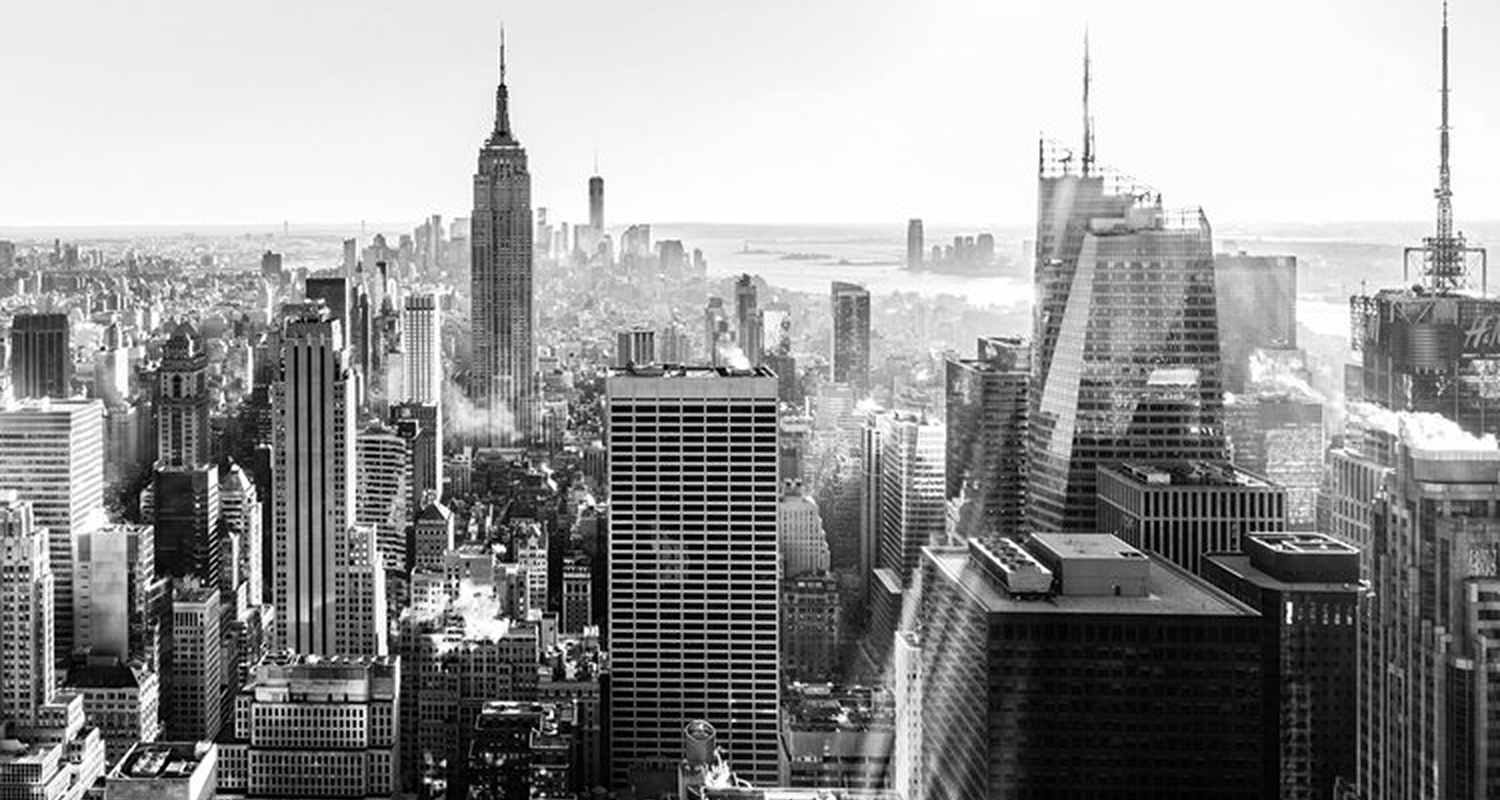
The Artistic Power of Black and White Photography
Removing color from a photograph isn't a simplification. It's a redirection. The viewer's attention shifts from surface to structure, from mood to meaning.
The psychological effect of removing color from an image is well documented. Without color associations to process, the brain engages with form, texture, and composition at a deeper level. Black and white photography creates space for a more sustained, personal response from anyone who spends time with it. That quality is what makes fine art monochrome prints genuinely rewarding to live with over time rather than simply impressive on first encounter. Proper archival framing and display ensures that quality holds through years of display.
How to Style Black and White Fine Art Prints
The right framing and placement decisions complete what the image itself starts. A few consistent principles apply across almost all monochrome fine art installations.
Thin black metal frames suit contemporary and minimalist interiors and don't compete with the image
White or off-white mat borders create breathing room and draw the eye inward
Non-reflective or museum glass eliminates the glare that breaks the viewing experience
Consistent framing across a gallery wall creates cohesion that mismatched frames undermine
Pairing monochrome prints with warm textures in the room, such as natural wood, linen, or stone, prevents the space from feeling cold
Professional framing guidance helps you make choices that serve the image and the space equally. The frame should complete the work rather than announce itself.
The Answer Is Almost Always Yes
Black and white fine art prints work across more spaces, more interior styles, and more design contexts than almost any other art category. They're not a safe choice in the cautious sense. They're a confident one. Monochrome prints communicate sophistication, restraint, and a long view on what good art should do in a room.
Browse Lukas Griffin's fine art photography collections to find monochrome work worth living with, or get in touch if you'd like guidance choosing the right piece for your space.
Frequently Asked Questions
Are black and white fine art prints good for modern interiors?
Yes, consistently. Black and white fine art prints adapt to modern interiors more easily than color work because they don't carry the color associations that date an image or compete with existing palettes. They create visual focus and atmospheric calm that suits most contemporary design approaches.
What rooms work best with monochrome wall art?
Most rooms benefit from monochrome wall art, though the right imagery varies by space. Living rooms suit bold, high-impact prints. Bedrooms suit quieter tonal work. Offices suit architectural or geometric compositions. Hospitality spaces benefit from the universal appeal that black and white prints carry across diverse audiences.
Why does black and white photography feel timeless?
Black and white photography removes the color palette associations that date an image to a specific era. What remains is form, contrast, texture, and composition, which communicate across time in ways that trend-driven color palettes rarely manage. That visual permanence is the core of its enduring appeal.
How do you style black and white prints in a colorful room?
Let the print be the visual anchor rather than a competing element. Use neutral framing, give the print generous wall space, and let the surrounding color in the room provide contrast rather than conflict. Black and white prints integrate with colorful rooms more naturally than most buyers expect before they try it.
What frame works best for black and white photography?
Thin black metal frames are the most versatile choice for monochrome fine art. They complement the tonal range of the image without introducing competing visual elements. White or natural wood frames work well in lighter interior palettes. Avoid ornate or heavily decorative frames, which compete with the photograph rather than serving it.
Are monochrome prints suitable for office spaces?
Yes, and they're often the strongest choice for professional environments. Black and white fine art prints communicate sophistication and focus without the personal associations that color or figurative work sometimes carries in shared professional spaces. Architectural and landscape imagery perform particularly well in offices and boardrooms.
What subjects work best in black and white fine art photography?
Landscapes, wildlife, architecture, botanical studies, and minimalist nature photography all translate exceptionally well into black and white. The common thread is strong compositional structure and tonal range. Subjects with clear form and texture reward the monochrome treatment more than subjects that rely primarily on color for their visual impact.
How large should black and white wall art be?
Follow the 60 to 75 percent rule relative to the wall or furniture width. In large rooms with high ceilings, scale up significantly. Black and white photography rewards large formats because the tonal gradations and fine detail that define the finest work become fully visible only when the print is large enough to fill the viewer's field of attention.
Do black and white prints make a room feel calmer?
Generally, yes. Removing color reduces the number of visual variables the eye needs to process. A black and white print in a busy room creates a focal point of visual rest. The effect is strongest with quieter tonal imagery and minimalist compositions, but even high-contrast monochrome work typically reads as more composed than equivalent color imagery.
What makes a black and white fine art print collectible?
Strong compositional structure, emotional depth, archival production quality, limited edition documentation, and a photographer with a consistent and recognizable body of work. A collectible black and white fine art print communicates something beyond its subject through tonal mastery and deliberate creative intent rather than technical execution alone.