Botanical Fine Art Photography: Nature's Quietest Art Form

There's a kind of art that doesn't ask for your attention. It earns it gradually. A single stem against a dark ground. The soft geometry of a petal at the edge of its life. Light diffused so gently across a surface that the image seems to breathe.
Botanical fine art photography works this way. It isn't decorative in the conventional sense. It's contemplative. It creates a quality of stillness that most art forms approach but rarely achieve. That philosophy runs through Lukas Griffin's approach to the natural world, where restraint and atmosphere consistently take precedence over spectacle.
What Makes Botanical Fine Art Photography Different?
The gap between decorative floral imagery and botanical fine art photography is wider than it appears. Decorative florals aim to charm. Fine art botanicals aim to arrest.
Fine art flower photography shares some of this territory, but botanical fine art pushes further into abstraction and texture. A botanical fine art photographer isn't showing you a flower at its most beautiful. They're revealing the geometry beneath it, the decay within it, the silence surrounding it.
What separates this genre visually comes down to a few consistent qualities:
Negative space becomes as meaningful as the subject itself
Soft silhouettes replace sharp clarity
Organic imperfection replaces idealized form
The result is imagery that rewards slow, sustained attention.
The Rise of Quiet Botanical Imagery in Modern Interiors
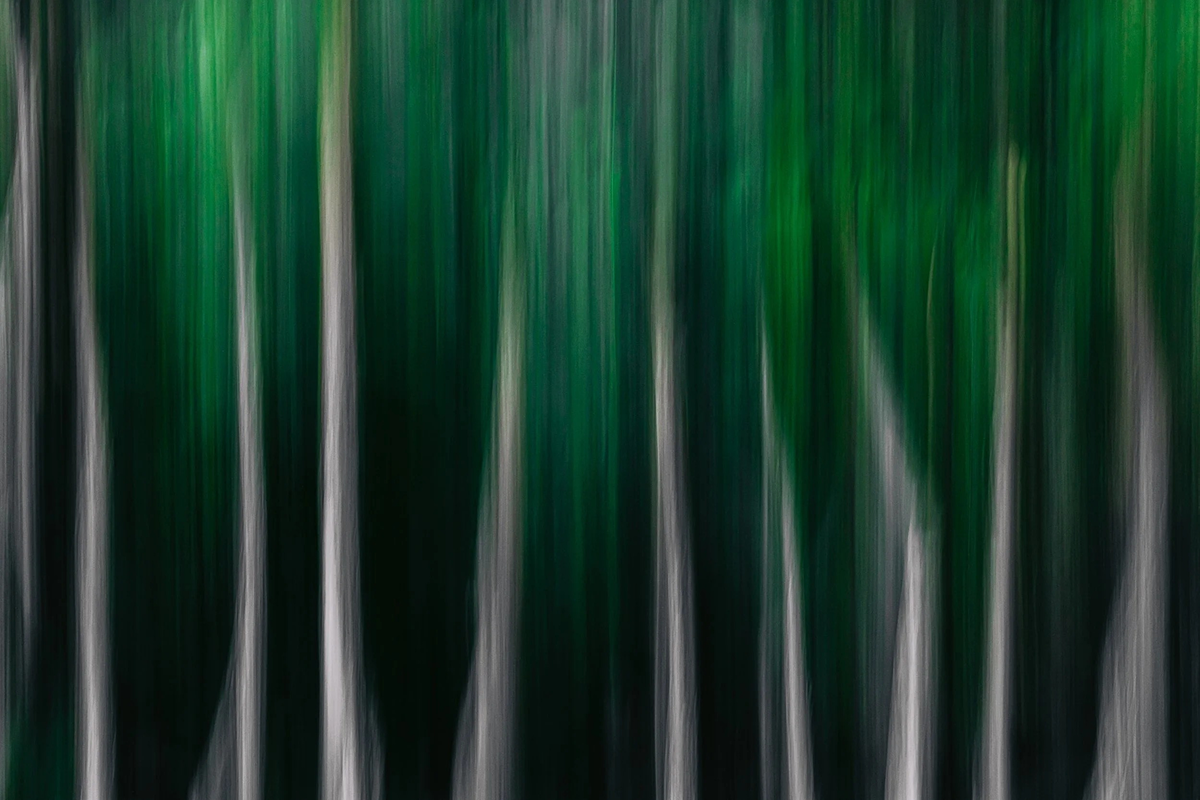
Something has shifted in how designers and collectors think about art for interiors. The move toward quieter, more contemplative imagery reflects a broader cultural response to overstimulation. Botanical fine art photography sits at the center of that shift.
The research behind biophilic design confirms what interior designers have long intuited. Exposure to natural forms, even through imagery, produces measurable reductions in stress. Boutique hotels, wellness offices, and collector homes source botanical work for exactly this reason.
Luxury minimalism has fully embraced the moody botanical aesthetic. A single large-format botanical study on a pale wall communicates sophisticated restraint. Very few other art forms achieve that in the same space.
The Artistic Techniques Behind Moody Botanical Photography
The contemplative quality of botanical fine art photography doesn't happen accidentally. It results from deliberate technical decisions made at every stage of the creative process.
The core techniques that define this genre include:
Diffused natural light eliminates harsh shadows and preserves delicate tonal transitions
Dark backgrounds concentrate the eye on the subject and remove all spatial context
Macro photography makes texture and pattern the entire subject
Dutch still-life influences bring themes of beauty, time, and impermanence
Wabi-sabi aesthetics value asymmetry and transience over idealized perfection
The creative process behind fine art photography always comes down to the same principle. Every decision serves a specific emotional intention. Botanical photography simply makes that intention quieter and more internal than most.
Why Botanical Fine Art Resonates Emotionally
We live in environments that demand constant visual processing. Screens, signage, notifications, advertising. The cumulative effect is perceptual fatigue most people feel without fully naming.
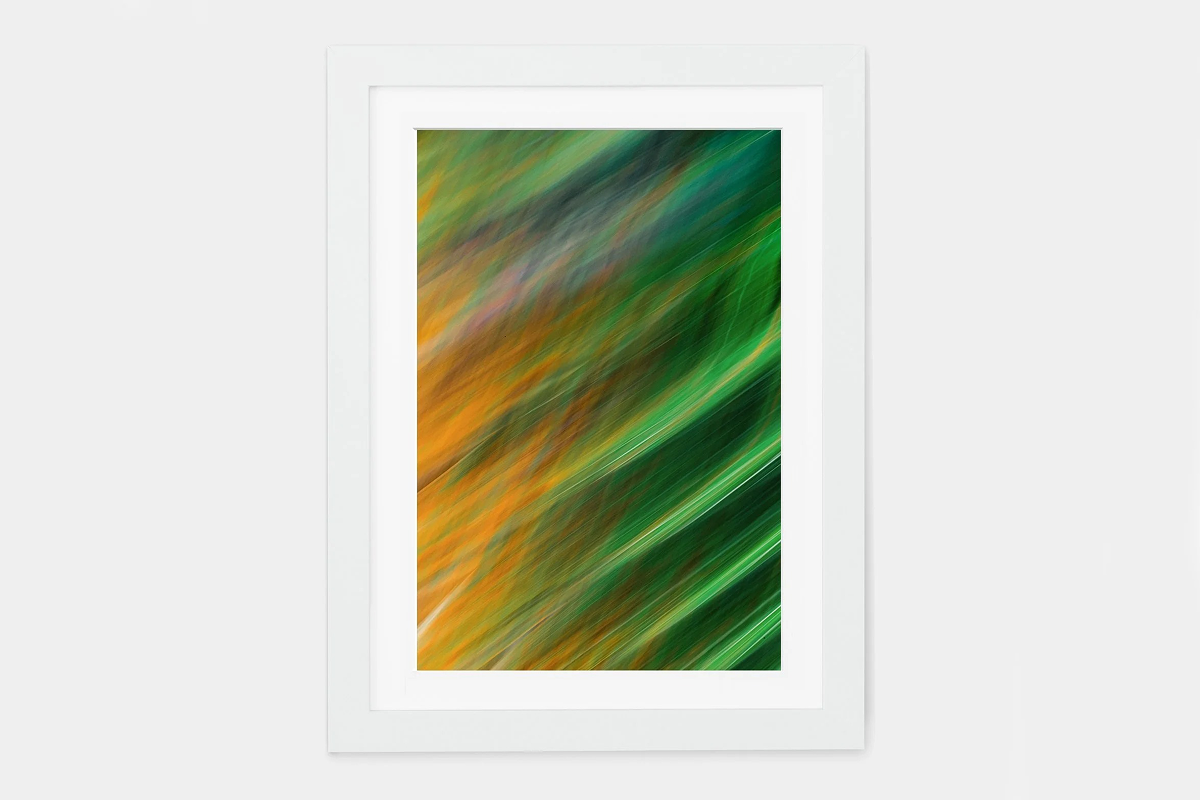
Botanical fine art photography works against this directly. An image built from stillness invites a different quality of attention. It slows the viewer rather than stimulating them.
Researchers describe this state as soft fascination. Attention flows effortlessly without effort or demand. Nature imagery's measurable psychological benefits confirm that even photographic representations of natural forms produce genuine restorative effects.
A single botanical print creates a point of quiet focus. It gives the eye somewhere meaningful to rest. That's something the surrounding environment rarely provides on its own.
Choosing Botanical Fine Art Photography for Your Space
Scale, tone, and framing all shape how botanical fine art works in a given room. A large-format dark botanical print on a pale wall creates immediate visual authority. Smaller works suit intimate arrangements or quiet groupings across a wall.
Monochrome botanical prints integrate most naturally across different interior palettes. Color botanical work requires more careful coordination with the room's existing tones. When choosing for a specific space or as a gift, understanding what the environment calls for helps narrow the choice from a feeling to a specific image that genuinely belongs there.
Nature's Detail, Permanently Yours
Botanical fine art photography captures what the natural world reveals only to those patient enough to look closely. A petal's underside. The geometry of a dried stem. The way light moves across a surface that most people pass without noticing.
These are the images that live quietly on walls for years and reward every return. Browse Lukas Griffin's fine art photography collections to find work that brings that quality of attention to your space, or get in touch to talk through which piece suits your interior best.
Frequently Asked Questions
What is botanical fine art photography?
Botanical fine art photography is the artistic interpretation of plant life through deliberate creative vision. It prioritizes emotional atmosphere, texture, and visual stillness over conventional floral beauty, producing images made for refined interiors, galleries, and serious collectors rather than purely decorative display.
How is botanical photography different from floral photography?
Floral photography typically celebrates flowers at their most conventionally appealing. Botanical fine art photography goes further, exploring texture, decay, negative space, and organic geometry. It uses restraint and atmosphere to create something contemplative rather than simply pretty, which gives it a distinctly different emotional register.
Why are moody botanical prints so popular in modern interiors?
Moody botanical prints create visual calm in environments that increasingly overstimulate. Their dark backgrounds, soft light, and quiet subjects provide a focal point that invites slow attention rather than demanding it. Interior designers favor them because they add atmospheric depth without competing with the rest of a considered space.
What lighting works best for botanical fine art photography?
Diffused natural light is the most common choice for fine art botanical work. It preserves delicate tonal transitions and creates the soft luminosity that defines the genre's characteristic stillness. Studio lighting can replicate these qualities with greater control, particularly for dark background work where precise light placement shapes the entire mood.
Are botanical fine art prints suitable for office spaces?
Yes, particularly in executive offices, wellness-oriented workspaces, and client-facing environments where atmosphere and calm matter. Botanical prints create visual focus that reduces perceptual fatigue without introducing the emotional associations that figurative or portrait work sometimes carries in professional settings.
What is minimalist botanical photography?
Minimalist botanical photography isolates a single subject within a clean, open frame with maximum negative space. The goal is to reduce visual information until only the most essential form remains. These images communicate through restraint rather than complexity and suit contemporary spaces where simplicity is a deliberate design choice.
Why do photographers use dark backgrounds in botanical portraits?
Dark backgrounds eliminate spatial context and concentrate the viewer's attention entirely on the subject's form, texture, and light. They transform a recognizable botanical object into something closer to pure visual sensation, giving these images their characteristic atmosphere and the quality of stillness that defines the finest botanical fine art work.
How do you style botanical wall art in a modern home?
A single large-format botanical print on a pale, uncluttered wall creates maximum visual impact with genuine sophistication. For groupings, maintain consistent framing and tonal range across pieces to create cohesion. Monochrome botanical prints integrate most easily across different interior palettes and suit both warmer and cooler design schemes.
What makes a botanical photograph collectible as fine art?
Artistic intent, technical mastery, emotional depth, and proper edition documentation. A collectible botanical fine art photograph communicates something beyond its literal subject, uses every visual element to serve a specific emotional intention, and is produced in a limited edition on archival materials with full authentication.
What inspires contemporary botanical fine art photographers?
The Dutch still-life tradition, Japanese wabi-sabi aesthetics, and the broader movement toward quiet luxury in interior design all influence contemporary botanical fine art. The botanical subject offers infinite visual complexity within a small frame, and its inherent transience gives every image an emotional dimension that more permanent subjects can't match.