From Concept to Your Wall: The Creative Process Behind Fine Art Prints
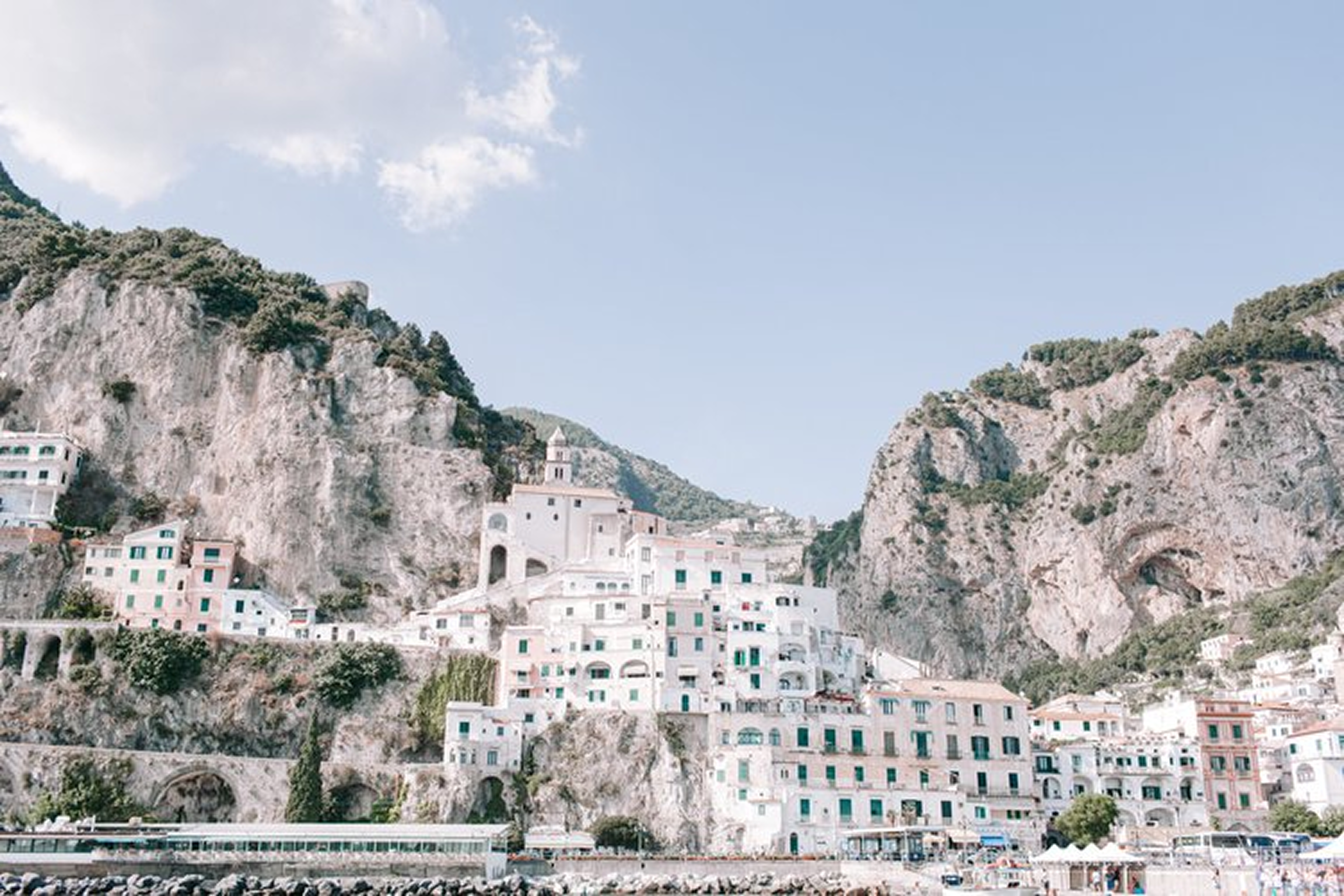
When you hang a fine art photograph in your home, you're not just adding decoration to your wall. You're bringing in the culmination of an entire creative process that started long before the shutter clicked. Understanding what the creative process is in fine art photography helps you appreciate the intentionality, skill, and vision behind each piece. This is the journey every fine art photograph takes, from the initial spark of inspiration to the moment it arrives at your door.
The Spark – Where the Creative Process Begins
Every photograph starts with a moment of recognition. Something in a scene demands attention and reveals potential that others might miss.
This initial spark might come from:
Unique lighting conditions that transform an ordinary location
An emotional response to a landscape or moment
The gap between what exists and what could be captured
Recognition of compositional elements that tell a story
The creative process in photography begins in that space between seeing and creating. A photographer might notice how morning fog softens harsh coastlines, how golden hour light creates depth in urban scenes, or how dramatic weather reveals character in mountain landscapes. These moments of recognition separate fine art photography from casual snapshots.
What makes this stage crucial is the ability to envision the final image before it exists. The scene itself is just raw material. The artistic vision transforms it into something meaningful.
Planning and Preparation
Once inspiration strikes, intentional preparation begins. Fine art photography isn't about luck or spontaneity. It requires research, planning, and technical consideration.
Preparation might include:
Researching optimal conditions for a specific location (tide schedules, weather patterns, seasonal changes)
Scouting locations multiple times to understand the light throughout the day
Selecting equipment that serves the artistic vision
Visualizing composition and perspective options
Setting clear artistic objectives for the shoot
Technical preparation matters, but mental preparation matters more. A photographer needs clarity about the emotional intent of the image. Is it about solitude? Power? Tranquility? Tension? This clarity guides every decision that follows.
This level of intention separates snapshots from art. Anyone can photograph a beautiful scene. Creating something that resonates emotionally requires knowing exactly what you're trying to communicate before you ever pick up the camera.
The Capture – Executing the Vision
When conditions align, the creative process in photography demands being fully present while making countless technical and artistic decisions in real time.
Real-time creative choices include:
Adjusting position and perspective to refine composition
Waiting for the right moment (perfect light, ideal wave patterns, animal movement)
Monitoring how changing conditions affect mood and atmosphere
Experimenting with different exposures and techniques
Recognizing when all elements come together
Most fine art photographs require multiple attempts. The first frame is rarely the keeper. Each attempt teaches the photographer something new about the scene and refines understanding of what's being created.
The final frame happens when vision and execution meet perfectly. Everything aligns in a single moment, and the photographer recognizes it immediately. That's the image that becomes the final print.
Post-Processing – The Creative Process Continues
The creative process in fine art photography doesn't end when the shutter closes. Post-processing is where artistic vision truly takes shape.
Editing decisions always serve the original emotional intent. A photographer might want to preserve ethereal softness, enhance dramatic contrast, or emphasize certain colors that support the mood.
Key editing considerations include:
Tonal adjustments that maintain dimensionality and depth
Color grading that reinforces emotional impact
Selective dodging and burning to guide the viewer's eye
Balancing detail preservation with artistic interpretation
Post-processing isn't about manipulation or creating something that wasn't there. It's about refining and clarifying the vision. Every adjustment serves the photograph's emotional core. The goal is to make the viewers feel what the photographer felt in that moment, transporting them to that specific time and place.
From Digital to Physical – The Print
A photograph doesn't truly become art until it transforms from pixels into a physical object you can hang on your wall. This final stage of the creative process requires just as much care as everything that came before.
Paper and finish selection completely change how a photograph feels:
Matte papers create softer, more intimate viewing experiences
Glossy finishes can enhance vibrancy and depth
Different textures add tactile qualities that screens can never provide
Paper weight and thickness affect perceived value and longevity
For different photographs, different materials serve the artistic vision. Soft, contemplative images might call for smooth matte papers. Bold, vibrant work might demand glossy finishes. Each choice is intentional and specific to the image.
Quality control ensures colors match the artistic vision exactly. The physical photography prints complete the creative process, transforming a feeling or vision into something tangible that you can experience every day in your space.
Understanding the Creative Process in Art
When you purchase a fine art photograph, you're not just buying ink on paper. You're investing in the culmination of this entire creative process in art.
Every decision along this journey is intentional:
The choice to pursue a specific vision
Hours or days spent waiting for perfect conditions
Specific artistic choices in post-processing
Careful selection of materials and printing methods
Understanding this process helps you appreciate why fine art photography holds value beyond simple decoration. Each print represents vision, skill, patience, and countless deliberate choices all working together to create something that moves you emotionally.
This intentionality is what transforms a photograph into art worth collecting. You're not just filling wall space. You're bringing a carefully crafted artistic vision into your home, a vision that took shape over hours, days, or sometimes years of dedication to a single image.
The Journey from Concept to Your Wall
The creative process behind fine art photography spans from that first spark of inspiration to the moment a print arrives at your door. Understanding this journey transforms how you experience the art on your walls.
Every fine art photograph carries this same level of intention and care. When you view available prints with this perspective, you might find yourself connecting with the work in a deeper way, seeing not just beautiful images but the vision and dedication behind each one.