How Museum Glass Protects Fine Art Photography from UV Damage
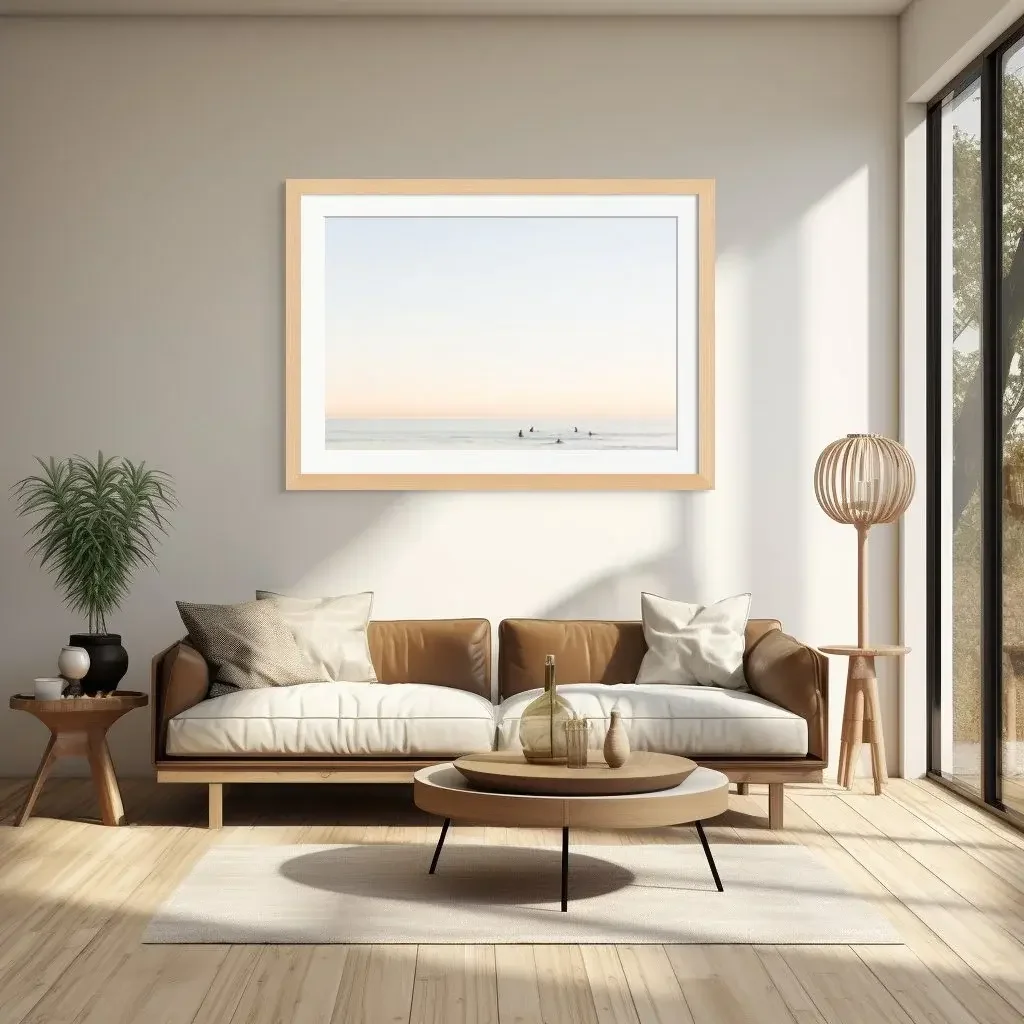
You just invested in a beautiful fine art photography print. You've chosen the perfect spot on your wall, selected a frame that complements the image, and now you're faced with a decision about glass. Regular glass is cheaper, but you keep hearing about museum glass. What is museum glass, and does it really matter? The short answer is yes, especially if you want that print to look as vibrant in twenty years as it does today.
What Is Museum Glass?
Museum glass is conservation-grade glazing specifically designed to protect artwork from the two biggest threats to fine art prints: UV damage and glare.
Here's what makes it different from regular glass:
Blocks 99% of UV rays (regular glass blocks around 45%)
Features an anti-reflective coating that virtually eliminates glare
Provides exceptional clarity that doesn't distort colors
Meets the same standards museums use to protect priceless artwork
The name tells you everything you need to know. Museums don't mess around when it comes to protecting valuable art. They use museum glass because it's the only option that provides true conservation-level protection. If a museum housing million-dollar paintings won't use regular glass, why would you use it on your fine art photography prints?
Museum glass combines UV-filtering technology with optical coatings that reduce reflections to less than 1%. This means you get both protection and an unobstructed view of your artwork in any lighting condition.
The UV Damage Problem
UV rays are silent destroyers. You can't see them working, but they're constantly breaking down the chemical bonds in photographic inks and papers.
What UV damage does to fine art prints:
Fades colors, especially vibrant blues, reds, and purples
Yellows and discolors the paper over time
Breaks down ink pigments at a molecular level
Creates uneven fading that can't be reversed
The damage is permanent. Once UV rays have degraded the inks in your print, there's no way to restore the original colors. Your beautiful coastal photograph with deep blues starts looking washed out. That dramatic sunset loses its punch. The rich blacks turn muddy gray.
Here's what surprises most people: you don't need direct sunlight for UV damage to occur. Ambient UV rays from windows, overhead lighting, and even indirect daylight slowly work on your prints every single day. A print hanging in a bright room behind regular glass can show noticeable fading in just three to five years. In rooms with direct sun exposure, that timeline shrinks to months.
Can Museum Glass Block UV Rays?
Yes, museum glass blocks 99% of harmful UV rays. This isn't marketing language. It's tested, measurable protection that meets conservation standards.
Regular glass offers almost no UV protection, blocking only about 45% of UV rays. Standard acrylic does slightly better at around 50-60%, but that still leaves your prints vulnerable to significant damage over time.
That 99% protection from museum glass means your prints stay vibrant and true to the original colors for decades instead of years. Can museum glass block UV rays completely? Not quite 100%, but 99% is as close as current technology allows, and it's more than enough to preserve your prints for a lifetime.
The UV-filtering works through special coatings applied during manufacturing. These coatings block both UVA and UVB rays without affecting visible light, so you get full protection without any color shift or darkening of the glass itself.
Beyond UV Protection – Additional Benefits
Museum glass doesn't just protect your prints from UV damage. The anti-reflective coating transforms how you experience the artwork.
Additional benefits include:
Virtually glare-free viewing from any angle
Perfect clarity that makes the print look frameless
Colors appear more accurate and vibrant
Better viewing experience in rooms with windows or bright lighting
Enhanced scratch resistance compared to regular glass
No color cast or tint that alters the artwork
The anti-reflective coating is probably the most immediately noticeable feature. With regular glass, you constantly fight reflections. You see windows, lamps, and yourself reflected in the glass, competing with the artwork for attention. Museum glass eliminates up to 99% of reflections, creating the illusion that nothing stands between you and the print.
This clarity matters for fine art photography where subtle tonal transitions and color accuracy are essential. You're seeing the photograph exactly as the artist intended, without the glass interfering with the viewing experience.
Is Museum Glass Worth It?
The honest answer depends on what you're framing and where you're hanging it.
Museum glass makes the most sense when:
You're investing in limited-edition or high-value prints
The print will hang in a room with natural light
You want the piece to last for decades or become an heirloom
Color accuracy and viewing experience matter to you
You're building a serious art collection
The price difference between museum glass and regular glass typically ranges from $100 to $300, depending on frame size. That sounds like a lot until you consider the alternative.
Without UV protection, you might need to replace a faded print in five to ten years. If your print costs $500 or more, paying an extra $150 for museum glass that protects it for 50+ years is simple math. You're either paying once for protection or paying multiple times to replace damaged prints.
Is museum glass worth it for every single print? Maybe not. Inexpensive posters in low-light rooms might do fine with regular glass. But for fine art photography prints you've invested in, museum glass isn't an upgrade. It's the baseline for proper protection.
Making the Right Choice for Your Prints
Deciding between museum glass and regular glass comes down to a few key questions.
Ask yourself:
What did you pay for this print, and how irreplaceable is it?
Where will it hang (near windows, in bright rooms, or low-light spaces)?
Do you want this piece to last five years or fifty?
How much do reflections and glare bother you?
If you're spending several hundred dollars on a fine art print, protecting it with museum glass just makes sense. You're not buying throwaway decoration. You're investing in artwork that should bring you joy for decades.
Remember that museum glass works best as part of overall print care. Even with 99% UV protection, avoid hanging prints in direct sunlight for extended periods. Use proper hanging hardware that keeps the frame secure. Consider the room's temperature and humidity since extreme conditions can affect paper and inks over time.
Museum glass handles the biggest threat to your prints, UV damage, while giving you a better viewing experience every single day. That combination of protection and presentation is why collectors and galleries won't frame fine art any other way.
Protecting Your Investment
Museum glass keeps fine art photography prints looking new by blocking the UV damage that regular glass allows through. When you invest in quality artwork, matching that quality with museum-grade protection ensures your prints stay vibrant and beautiful for decades.
The choice between museum glass and regular glass isn't really about saving money upfront. It's about whether you want your prints to maintain their value and beauty long-term or accept that they'll fade and need replacement in a few years.