Understanding the Exposure Triangle: Aperture, ISO, and Shutter Speed
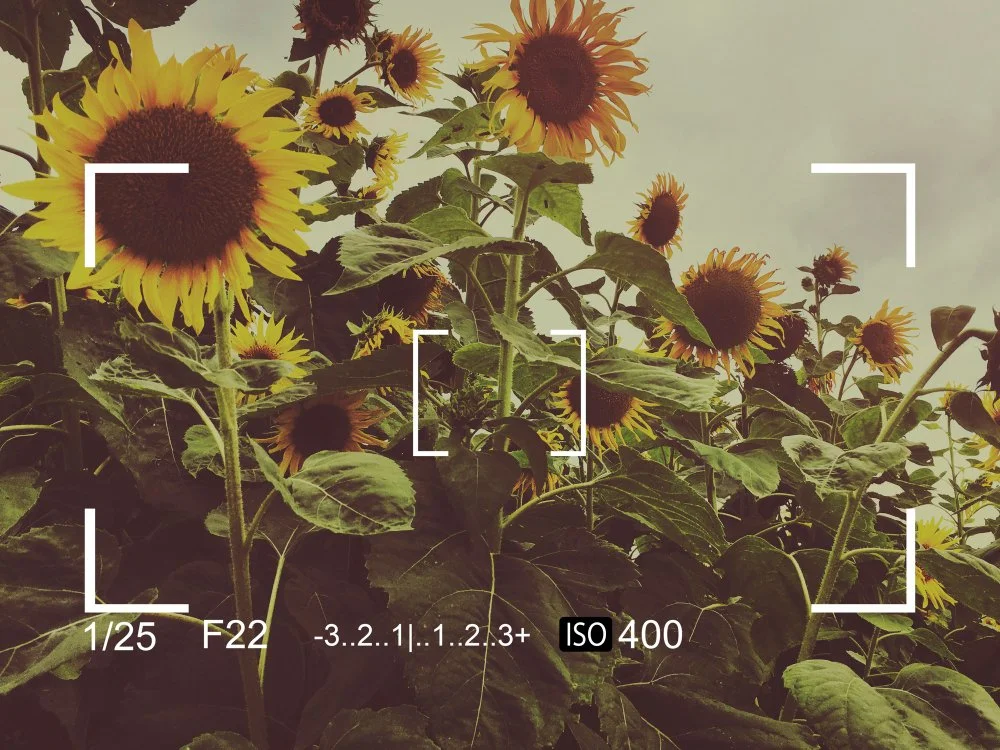
When you stand before a fine art photograph that stops you in your tracks, you're experiencing more than just a beautiful scene. You're seeing the result of deliberate technical choices made by a photographer who understands how light becomes art. The difference between a casual snapshot and a museum-quality print often comes down to mastery of what photographers call the exposure triangle.
The exposure triangle in photography refers to three interconnected camera settings that control how light is captured and transformed into an image. These three elements work together to create the technical foundation that separates exceptional fine art photography from ordinary pictures. Understanding this concept helps you recognize the skill and intentionality behind the prints you choose for your home or office.
What Is the Exposure Triangle in Photography?
The camera exposure triangle consists of three fundamental controls that work together to capture light. Think of it as a balancing act where adjusting one element requires compensating with another to maintain the quality and vision of the final image.
These three elements are:
Aperture (controls light intake and depth of field)
Shutter speed (controls exposure duration and motion)
ISO (controls sensor sensitivity and image quality)
Each one affects how much light reaches the camera sensor, but, more importantly, each creates distinct visual effects that contribute to a photograph's artistic impact. A photographer's choices here determine whether an image feels serene or dynamic, whether details are tack-sharp or softly blurred, and whether the final print will maintain its quality when displayed at large sizes.
The photography exposure triangle isn't just about getting enough light. It's about using technical precision to serve artistic vision. Every adjustment represents a deliberate choice about how the final image will look and feel on your wall.
Aperture Controls Light and Focus
Aperture refers to the opening in a camera lens that lets light in. Like the pupil of an eye, it can open wide or narrow down to control how much light passes through. But aperture does something even more important for the visual impact of fine art photography.
The size of the aperture determines the depth of field, which is the range of distance in a photograph that appears sharp and in focus. This creates two distinct aesthetic approaches:
Wide aperture creates soft, blurred backgrounds with sharp subject focus, ideal for portraits and isolated subjects
Narrow aperture maintains sharpness throughout the entire frame, perfect for expansive landscapes where every detail matters
In fine art landscape photography, you often see expansive scenes where every element from nearby rocks to distant mountains appears perfectly sharp. This requires using a narrow aperture and the technical knowledge to balance the other exposure triangle settings accordingly. The result is a print where you can examine intricate details throughout the entire composition.
Portrait and fine art photography with isolated subjects often use wider apertures to create separation between the subject and the background. This draws your eye exactly where the photographer intends and creates that three-dimensional quality that makes certain prints feel more like windows than photographs.
Shutter Speed Captures Time
Shutter speed controls how long the camera sensor is exposed to light. Measured in fractions of a second, it determines whether moving elements in a scene appear frozen or blurred. This is where photographers make profound creative decisions about how to represent time in a single frame.
The creative possibilities of shutter speed include:
Fast speeds (1/1000th of a second or faster) freeze motion completely for sharp, energetic images
Medium speeds (1/60th to 1/250th) balance sharpness with subtle movement
Long exposures (several seconds to minutes) create ethereal, dreamlike effects
Long exposures, in particular, allow movement to blur across the frame during the extended exposure time. Ocean waves transform into misty, ethereal forms. Clouds streak across the sky in dramatic sweeps. Waterfalls take on that silky, dreamlike quality you see in premium landscape prints.
This technique is particularly important in fine art photography because it creates images that transcend what the human eye can see in a single moment. A 30-second exposure of a seascape doesn't just capture a scene, it captures time itself. The resulting prints have a serene, contemplative quality that makes them ideal for creating calm, sophisticated spaces.
Mastering long exposures requires not just technical knowledge of the exposure triangle but also the patience and skill to work with specialized filters and precise calculations. This level of expertise directly contributes to the value and uniqueness of fine art prints.
ISO Manages Sensitivity
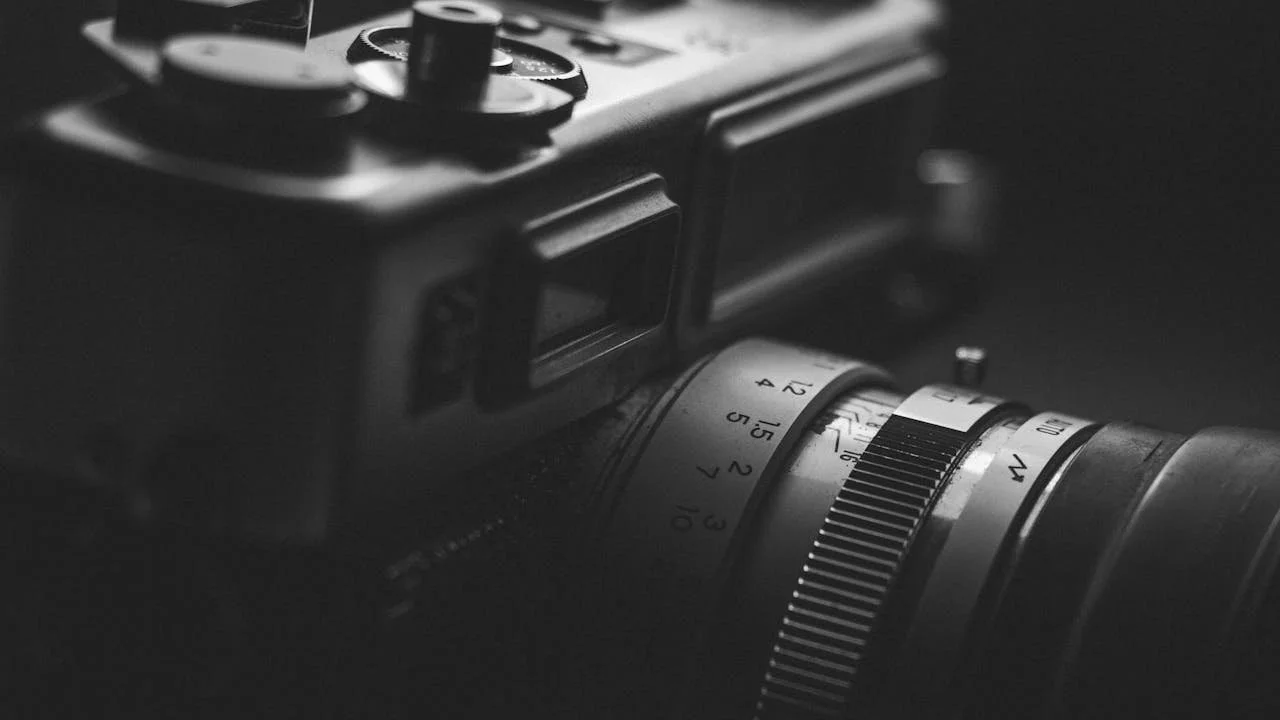
ISO controls how sensitive the camera sensor is to light. Lower ISO values mean the sensor needs more light to create an image. Higher ISO values amplify the sensor's sensitivity, allowing photography in darker conditions.
Here's why this matters when you're investing in fine art prints. Higher ISO settings introduce digital noise into an image, which appears as graininess that degrades image quality. This becomes especially visible in large format prints or when examining shadow areas closely.
Professional fine art photographers typically shoot at the lowest ISO possible for the lighting conditions. This ensures:
Maximum image quality with clean, smooth tones
Incredible detail that holds up in large format prints
Rich, noise-free shadow areas
Superior archival quality for long-term display
The ability to properly balance ISO with the other elements of the photography exposure triangle demonstrates a photographer's technical mastery. It's the difference between an image that looks great on a screen but falls apart when printed large, and one that reveals new details and maintains its quality even at substantial sizes.
Why the Photography Exposure Triangle Matters for Collectors
When you invest in fine art photography, you're not just buying a pretty picture. You're acquiring the result of technical precision combined with artistic vision. Understanding the exposure triangle helps you recognize the expertise behind the work.
Museum-quality prints come from photographers who make intentional choices about every technical aspect of their craft. They don't rely on automatic settings or happy accidents. They understand how aperture, shutter speed, and ISO work together to create specific artistic effects while maintaining the highest possible image quality.
This mastery shows up in the details. When examining fine art prints, look for:
Incredible sharpness where it matters most
Intentional use of blur or softness for artistic effect
Clean, noise-free areas even in darker tones
Rich detail preserved in both shadows and highlights
These qualities indicate a photographer who understands the camera exposure triangle and uses it deliberately to create superior artwork. The exposure triangle is invisible in the final print, but its influence is everywhere. It's the foundation that allows artistic vision to become tangible reality, transforming light and time into art worthy of your walls.
If you're interested in exploring how these technical principles translate into museum-quality fine art prints for your space, you can view the complete collection at Lukas Griffin Photography or reach out to discuss specific pieces and framing options that complement your vision.