A striking wildlife image can stop you in your tracks. Before you buy one, though, it's worth asking how it was made.
Whether you're browsing wildlife photography prints or bidding at a gallery, the same questions apply. Ethical wildlife photography protects animals, and it gives you art you can trust.
Why Does It Matter How a Wildlife Image Was Made?
A wildlife photograph is more than a pretty picture. It's a record of a real animal living a real life.
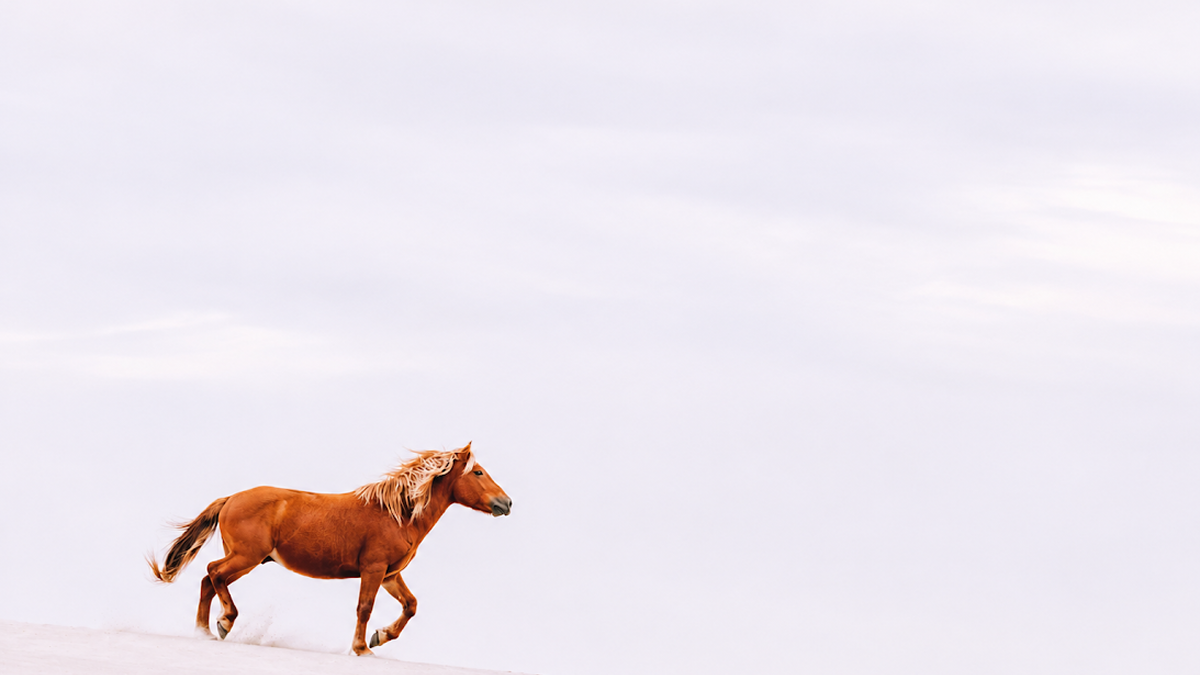
That's where much of its meaning comes from. Part of what horses symbolize, for example, is freedom, and a staged or captive scene quietly undercuts that story.
Good wildlife art should honor its subject. When an animal is stressed or handled for a shot, the image carries that cost with it. That's the heart of ethical wildlife photography.
Was the Animal Wild or Captive?
This is the first question to ask. The nature photography community draws clear lines between wild, captive, and controlled animals.
Under truthful captioning standards, a wild animal is free to roam where it likes. A captive animal lives under long-term human care, as in a zoo or rescue center.
Captive images aren't automatically wrong, but they should be labeled honestly. Ethical photography never passes off a captive animal as a wild one.
Was It Baited, Lured, or Pushed?
Some dramatic shots are set up. Baiting means using live, dead, or fake food to draw in a predator. It can change an animal's natural behavior in harmful ways.
Playing recorded calls and chasing birds into flight raise similar concerns. Widely respected ethical bird photography guidelines warn against all three.
Good wildlife photography ethics put the animal's well-being ahead of the shot. If a seller can't say whether bait was used, that's worth noting.
Did the Photographer Give the Subject Space?
Distance is one of the clearest signs of respect. Long lenses let photographers capture intimate moments without crowding the animal.
Nesting season calls for extra care. Bird experts recommend staying at least 25 yards from beach-nesting birds, since frightened parents can leave chicks exposed.
Coastal colonies of nesting seabirds are especially sensitive. An image that feels close but calm often means the photographer kept their distance.
Has the Image Been Altered?
Most wildlife fine art photography involves some editing, like adjusting contrast or cropping. That's normal and widely accepted.
Bigger changes are different. Swapping skies, adding animals, or merging several frames into one scene creates a composite, which should be disclosed.
Composites can still be beautiful art. The key is honesty about what you're looking at.
How to Ask Without Feeling Awkward
Asking about ethical wildlife photography is completely normal. Reputable galleries and photographers expect curious buyers.
Keep it simple and friendly. Ask whether the animal was wild, whether bait or calls were used, and how much the image was edited.
A clear, relaxed answer is a good sign. Vague or defensive replies are worth a second thought.
Choosing a Print You'll Love for Years
Once you're comfortable with how an image was made, trust your instincts. The right print should stir something every time you walk past it.
Think about where it will hang and how large it should be. If you're weighing options, it's easy to ask about size and editions before deciding.
Buying With Your Eyes Open
Ethical wildlife photography comes down to respect for the animal and honesty with the viewer. Bringing these questions to any purchase helps both.
When you're ready to look around, take your time with Lukas Griffin's full portfolio. The best pieces are the ones that keep speaking to you.
Frequently Asked Questions
Are photos taken at zoos or sanctuaries unethical?
Not necessarily. Images from accredited zoos and sanctuaries can be fine. They just need to be labeled as captive rather than presented as wild.
What is a photography game farm?
It's a business that rents out captive animals for photo shoots, often posed to look wild. Leading photography contests ban these images, and many buyers avoid them.
Is baiting ever acceptable in wildlife photography?
Baiting predators is widely discouraged because it can harm them. Rare exceptions, such as research supervised by scientists, should always be disclosed.
Does editing make a wildlife photograph less authentic?
Light edits like cropping and contrast don't. Composites and added elements change the story, so ethical wildlife photography discloses them openly.
What should a good wildlife photo caption include?
Ideally, it covers what the image shows and when and where it was made. It should also explain how it was captured and edited.
Do ethical practices affect how collectors value a print?
Many collectors care deeply about how an image was made. Transparent, well-documented work tends to earn more trust, which matters for any piece you plan to keep.