Few animals carry as much meaning as the horse. Horse symbolism shows up across continents and centuries, tied to freedom, strength, and grace.
That meaning doesn't disappear when fine art horse photography hangs on your wall. It comes along with the image, quietly shaping how a room feels.
Why Horses Became One of Humanity's Oldest Symbols
People and horses have shared their lives for more than 5,000 years. Horses carried people, worked fields, and changed how far a person could travel.
Bonds that long tend to gather meaning. If you ask what horses symbolize, most cultures give similar answers. Freedom, power, loyalty, and endurance come up again and again.
That shared language is why horse symbolism feels so familiar, even to people who've never ridden. It's built into how we talk, too, from horsepower to a dark horse candidate.
Freedom That Runs Wild
No image of a horse says freedom quite like a wild one. A running horse with no saddle and no fence in sight feels like the opposite of everyday routine.
Wild horse symbolism leans hard on that idea. Herds like the Assateague Island wild horses have lived on their own terms for centuries. Wind, surf, and salt did the rest.
That's the spirit at the heart of Equus Libre. The name itself means free horse.
Strength, Power, and a Touch of Nobility
Horses have long signaled status. Keeping one fed, healthy, and safe has always been costly, so owning horses often marked wealth and rank.
Across many cultures, people dressed horses to look more regal or fearsome. Museums still hold examples of horses as status symbols, from parade ornaments to ceremonial covers.
A rearing or galloping horse still reads as power today. In horse symbolism, strength and nobility often travel together.
More Than an Animal in Native Traditions
For many Plains nations, the horse changed nearly everything. Within decades of its arrival, it became central to hunting, travel, and daily life.
An exhibition on the horse in Native cultures showed how deep that bond ran. Horses appeared in ceremonies and artwork, and some families still carry horse-related names today.
So what does a horse represent? For many Plains peoples, it has long stood for partnership and strength.
White Horses, Dark Horses, and the Moods They Carry
Color adds another layer. White horse symbolism is often linked with peace, purity, and light, which suits calm, airy rooms.
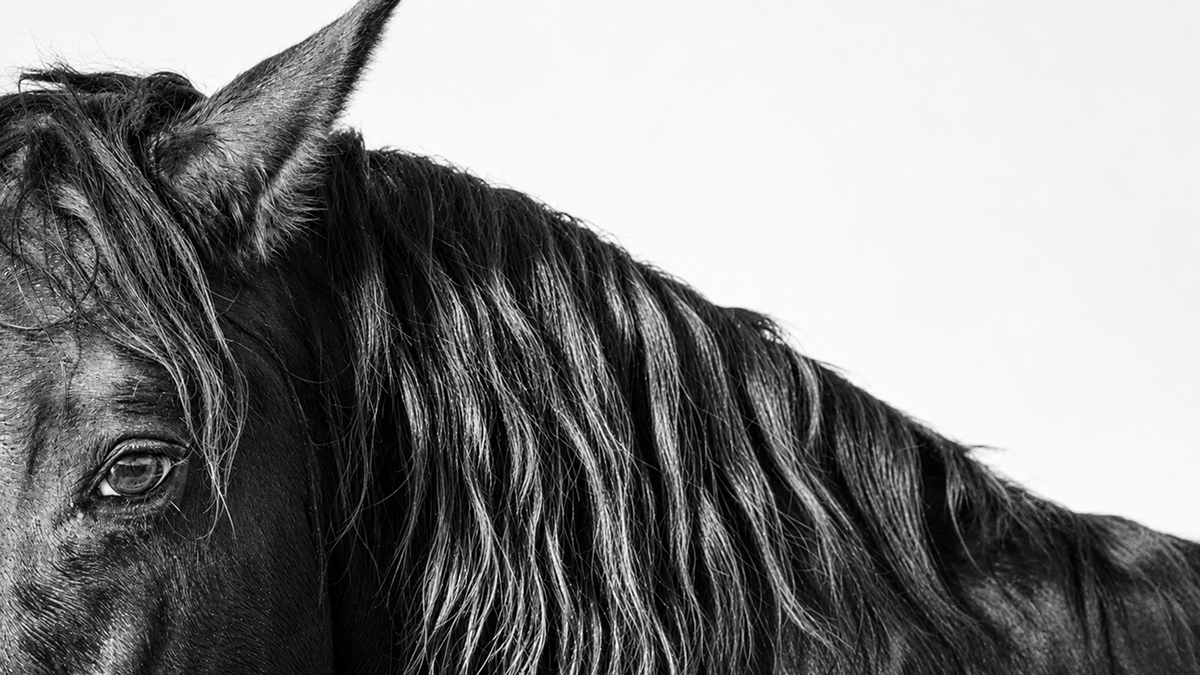
Dark horses tend to read as mysterious and powerful. Black horse symbolism brings drama to a space, especially against light walls.
The tone of the photograph matters as much as the coat. If you're unsure which mood fits, ask about a specific piece and how it might sit in your room.
Choosing Horse Art With Meaning
Good horse art starts with what horse symbolism means to you. Some want freedom on the wall, while others want strength, calm, or a nod to childhood riding.
Horse meaning also shifts with the moment captured. A herd in motion feels energetic, while a lone horse at rest feels reflective.
How the image was made matters too. It's worth considering why ethical wildlife art matters before you buy. The best photographs honor the animals they show.
Let the Meaning Run Free
Horse symbolism gives a photograph a second life on your wall. Beyond its beauty, it carries freedom, strength, and a long shared history.
To find an image that speaks to you, start with the wild horses of Equus Libre. There's more to see across Lukas Griffin's portfolio, from seabirds to snowfields.
Frequently Asked Questions
What do horses symbolize in most cultures?
Freedom, strength, loyalty, and endurance come up most often. That's why horse symbolism feels familiar almost everywhere, from ancient traditions to modern homes.
What does a wild horse represent?
A wild horse usually stands for freedom and independence. It's a reminder of life lived on its own terms, without fences or routine.
What does a white horse symbolize?
White horses are often linked with peace, purity, and light. In a home, they tend to bring a calm, open feeling.
Where should horse art hang in a home?
Living rooms, studies, and entryways suit horse art well. Choose energetic scenes for social spaces and quieter ones for rooms meant for rest.
Why do horses appear so often in art?
People have lived alongside horses for thousands of years. The bond runs so deep that artists keep returning to the subject, especially photographers drawn to wild herds.
Does it matter how a wildlife photograph was made?
Yes. Images made with patience and respect for the animal tend to feel more honest. They also reflect values many collectors care about.