A building photographs differently depending on who's holding the camera. A real estate photographer documents it. An architectural photographer records its proportions and finishes. A fine art photographer asks what it feels like to stand inside it, and how that feeling can become something worth collecting.
That gap between documentation and artistic vision is where fine art architectural photography lives.
What Is Fine Art Architectural Photography?
Fine art architectural photography is the artistic interpretation of the built environment. It treats structures, spaces, and cities as subjects for emotional and visual storytelling rather than technical record-keeping.
Understanding what fine art photography means at its core makes the distinction clear. A fine art architectural photographer isn't commissioned to document a building accurately. They're pursuing a personal artistic vision that uses architecture as its subject matter. The nuances separating fine art from standard architectural photography are worth understanding before you start building a collection.
Why Architecture Works as Fine Art
Architecture is built from the same elements that define fine art photography. Geometry creates structure and tension. Symmetry creates calm or unease depending on how it's framed. Light transforms the surface of a building differently every hour of the day.
The architectural photography archives at the Library of Congress trace this relationship back centuries, showing how photographers have long treated buildings as subjects for artistic inquiry. A staircase becomes a study in spiraling geometry. A facade becomes an abstract composition of repeating windows and shadow.
Key Styles in Architectural Fine Art
Fine art architectural photography spans a wide range of visual approaches. Each carries its own emotional register and suits different kinds of spaces.
Black and White Architecture Photography
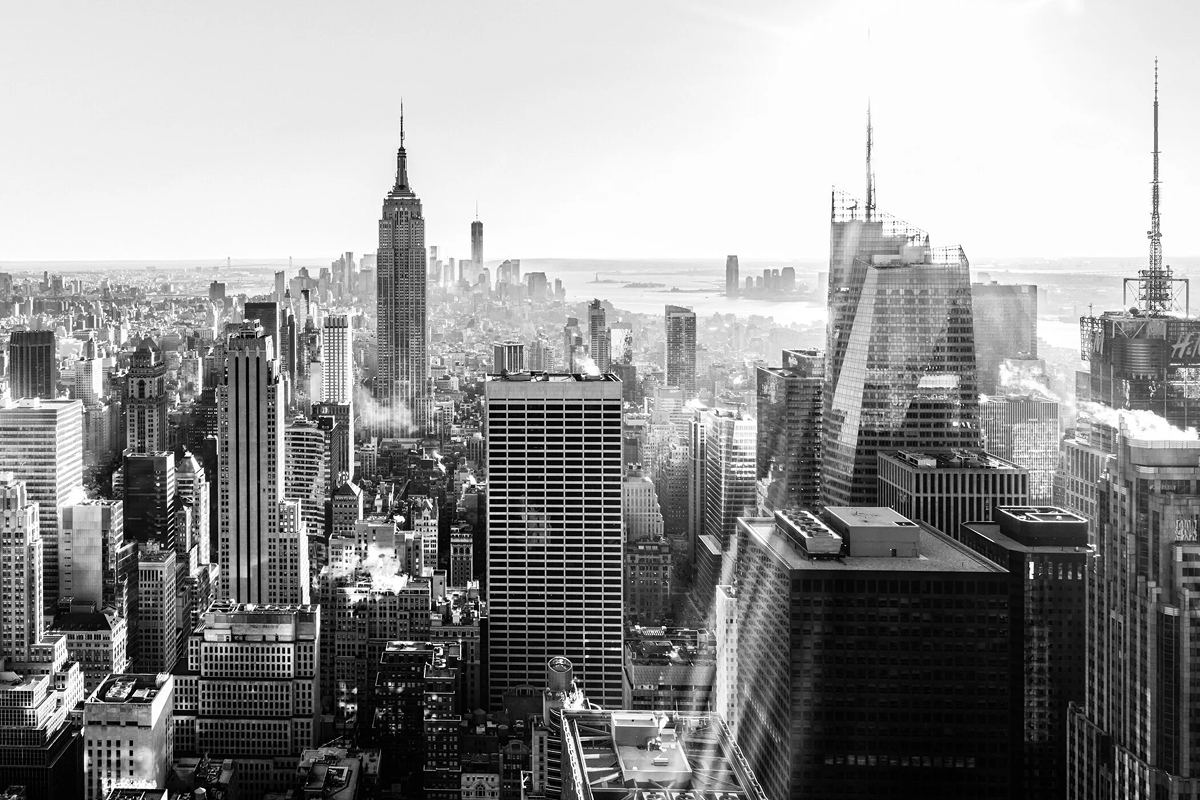
Removing color directs attention to form, contrast, and texture. Black and white architecture photography strips a building to its most essential visual qualities. The results feel timeless and work naturally across both contemporary and traditional interiors.
Minimalist Architecture Photography
Minimalist architectural fine art isolates a single element within a clean, uncluttered frame. The goal is to reduce visual noise until only the most essential geometry remains. These images create strong visual impact through simplicity and suit modern home environments particularly well.
Abstract Architectural Photography
Abstract architectural photography moves away from literal representation entirely. Extreme angles, tight cropping, and unusual perspectives transform recognizable structures into compositions of shape, line, and pattern. Viewers experience the visual sensation first and the subject second.
Urban and Cityscape Fine Art
Fine art cityscape photography captures the energy, scale, and visual complexity of the urban environment. These images work at the intersection of architecture, street life, and atmosphere. Large-format urban architectural prints carry a presence and scale that suits dramatic interior spaces in hotels, offices, and commercial environments.
Techniques That Define Fine Art Architectural Photography
Technical decisions in fine art architectural photography directly shape the emotional qualities of the finished image. Creative vision in fine art photography always begins before the camera is raised, and every technical choice serves that vision rather than driving it.
Composition, Lines, and Symmetry
Architecture provides photographers with an abundance of compositional tools. Leading lines draw the eye through the frame. Symmetry creates stability or, when deliberately disrupted, tension. Fine art architectural photographers use these structural qualities intentionally, choosing angles and distances that serve a specific emotional goal rather than simply capturing the building accurately.
Light and Shadow
Light transforms architecture in ways that no other variable can match. The same facade photographed at dawn, midday, and dusk produces three entirely different emotional experiences. Fine art architectural photographers work the light rather than accepting whatever conditions are present..
Perspective and Angles
Most people experience architecture from eye level. Fine art photographers look for perspectives that reveal something the casual observer misses. A view from directly below a spiraling staircase or a tight crop isolating the rhythm of a row of columns transforms a familiar structure into something visually surprising.
Post-Processing
Post-processing in fine art architectural photography refines and extends the image's emotional impact. Tonal adjustments deepen shadows or lift highlights to serve the mood of the composition. The goal is to realize the original creative intention more fully, not to rescue a weak image.
From Structure to Artwork: The Print Process
The journey from a captured architectural image to a finished fine art print is where the photograph becomes a physical art object. Material choices shape how the image looks on a wall and how long it lasts there.
Museum-grade fine art papers suit different architectural styles differently. A soft matte cotton rag brings warmth and depth to black and white architectural prints. A baryta surface delivers the contrast and tonal precision that dramatic cityscape work demands. Understanding fine art print materials helps buyers make choices that genuinely serve both the image and the space it will live in.
Choosing Architectural Photography for Your Space
The right architectural print depends on what the space needs emotionally and visually.
| Space | Recommended Style |
|---|---|
| Modern home | Minimalist or black and white architecture |
| Office or boardroom | Geometric, clean cityscape or abstract |
| Hotel or hospitality | Dramatic large-scale urban prints |
| Gallery or collector display | Conceptual or abstract architectural work |
Consider scale carefully. Architectural photography rewards large formats. A grand staircase or urban skyline printed at scale fills a wall with genuine presence and visual authority. Smaller prints suit intimate spaces or collection groupings where multiple pieces work together.
Why Collect Fine Art Architectural Photography
Fine art architectural photography combines the visual authority of geometric form with the emotional resonance of light and atmosphere. The result is work that's simultaneously intellectually engaging and immediately beautiful.
Limited edition architectural prints from established photographers hold their value as collectibles over time. There's also a timelessness to the best architectural photography that works in its favor. A great image of a building captures something permanent about structure and light that doesn't date the way other photographic subjects sometimes do.
The Artist's Perspective on Architecture
Architecture has drawn photographers since the very beginning of the medium because it offers something the natural world can't always provide. Buildings hold still. They can be returned to at different hours, in different seasons, under different weather conditions, with each visit revealing something the last one missed.
That patience and commitment to the built environment is what separates fine art architectural photography from casual building photography. The Stone and Light collection within Lukas Griffin's fine art photography reflects this approach, finding in New York City's architecture the same emotional depth and visual richness that drives his broader work across nature and wildlife.
Buildings That Stay With You
Fine art architectural photography belongs in offices where the geometry of a great image sets an intellectual tone. It belongs in homes where the play of light across a familiar structure creates calm every time it's noticed. It belongs in collections built by people who understand that the built world, seen with genuine artistic vision, is as worthy of fine art treatment as any landscape or portrait.
If you'd like guidance finding the right architectural print for your space or collection, get in touch and let's talk through what you're looking for.
Frequently Asked Questions
What is fine art architectural photography? Fine art architectural photography is the artistic interpretation of the built environment through deliberate creative vision. Unlike commercial or documentary photography, it prioritizes emotional depth, composition, and personal artistic intent over accurate technical documentation of a structure.
How is it different from regular architecture photography? Regular architecture photography documents buildings accurately for clients or publications. Fine art architectural photography pursues a personal artistic vision using architecture as subject matter. The difference lies in creative freedom, intent, and where the work is ultimately displayed and collected.
Why is black and white popular in architectural photography? Removing color directs the viewer's attention to form, geometry, texture, and light. Black and white strips architecture to its most essential visual qualities, producing images that feel timeless. It's one of the most enduring and widely collected approaches in the genre.
What techniques are used in architectural photography? Key techniques include deliberate composition using lines and symmetry, precise light timing, unconventional perspective and angles, and careful post-processing. Each technical decision serves the emotional goal of the image rather than simply improving technical accuracy.
How do you make buildings look artistic? By treating them as subjects for emotional storytelling rather than objects to document. Finding unexpected angles, working specific light conditions, using shadow as a compositional tool, and isolating architectural details that casual observers miss all contribute to an artistic result.
What is the best lighting for architecture photography? It depends on the desired mood. Early morning and late afternoon light creates warmth and long shadows suited to dramatic treatments. Overcast light suits minimalist and abstract work, where even illumination allows form and geometry to carry the image without tonal distraction.
Can architectural photography be abstract? Yes. Extreme angles, tight cropping, and unusual perspectives transform recognizable structures into compositions of line, shape, and pattern. In abstract architectural photography, the original subject becomes secondary to the visual experience the image creates.
How do you choose architectural art for your space? Start with the emotional tone you want the room to carry. Minimalist or black and white prints suit calm, modern environments. Dramatic urban prints suit spaces where visual impact matters more than quiet. Consider scale, color palette, and how the print interacts with existing interior elements.
Where can I buy fine art architectural prints? Fine art architectural prints are available through galleries, curated online platforms, and directly from photographers. Buying directly from an artist ensures authenticity, access to limited editions as they're released, and a direct connection to the creative process behind the work.
Is architectural photography a good investment? Yes, when chosen thoughtfully. Limited edition architectural prints from photographers with consistent bodies of work tend to hold or appreciate in value over time. Aesthetic quality, archival production standards, and genuine scarcity make serious architectural fine art worth collecting.