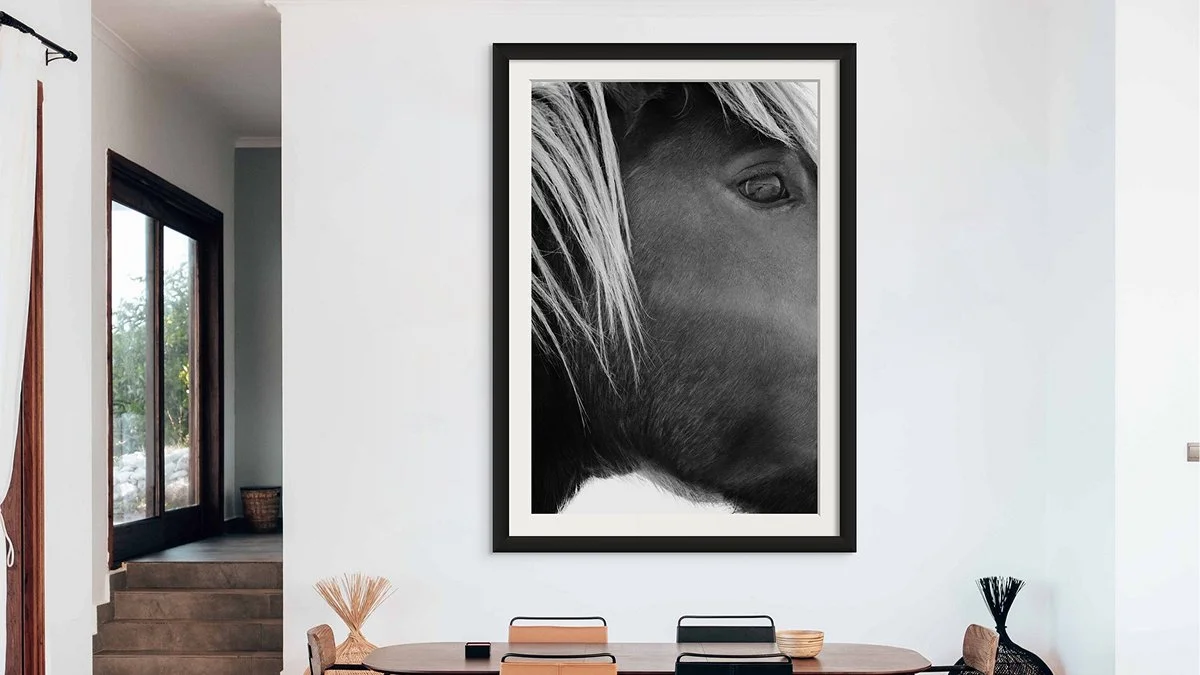
A corporate space communicates something before a single word is spoken. The art on the walls shapes how clients feel when they walk in, how employees experience their workday, and how seriously a business appears to take its own environment. Fine art photography for corporate spaces does this work more effectively than any other decorative choice.
It isn't decoration. It's a design decision with measurable impact on atmosphere, perception, and the experience of everyone who moves through the space. Lukas Griffin's fine art photography brings that level of intentionality to corporate and commercial interiors across a range of subjects and scales.
Why Fine Art Photography Works in Corporate Environments
The case for fine art photography in corporate environments goes well beyond aesthetics. Research on art's impact in the workplace consistently shows that curated artwork reduces employee stress, increases creativity, and improves overall wellbeing. In one study of over 800 employees across 32 organizations, 78% agreed that artwork helps reduce stress and 64% said it increases creativity and innovation.
Nature photography and ocean imagery deliver particularly strong results in professional environments. These subjects create a sense of calm and openness that counterbalances the pressure of high-performance work culture. Large-scale fine art prints amplify this effect, filling a space with visual authority while giving the eye somewhere meaningful to rest.

Generic Office Decor vs Fine Art Photography
Most corporate environments default to mass-produced prints chosen for inoffensiveness rather than impact. These images fill walls without shaping them. They communicate nothing about the organization beyond a reluctance to invest in its own environment.
Fine art photography operates differently. Limited edition prints from a photographer with a coherent artistic vision bring exclusivity, authenticity, and genuine visual intelligence to a space. Clients and visitors notice the difference immediately, even if they can't articulate exactly why. The presence of thoughtfully chosen fine art signals that a business pays attention to detail at every level, not just in its products or services.
Choosing Photography for Different Corporate Spaces
Executive Offices
Executive offices call for photography that communicates calm authority. Minimalist landscapes, black and white nature studies, and large single-format prints suit these spaces naturally. The imagery should carry visual weight without creating visual noise. A single well-chosen print on a clean wall conveys more confidence than a crowded gallery arrangement.
Conference Rooms
Conference rooms benefit from expansive imagery that opens the space visually. Wide coastal scenes, dramatic landscape photography, and architectural prints work well here. These subjects create a sense of scale that encourages expansive thinking and gives attendees something visually engaging to engage with during pauses in conversation.
Hospitality and Client-Facing Spaces
Client-facing areas and hospitality environments need photography that creates an immediate emotional response. Calming ocean imagery, welcoming coastal scenes, and large-scale nature prints set the right tone from the moment someone enters. What makes ocean photography worth collecting applies directly here, since the qualities that satisfy serious collectors, artistic vision, archival quality, and genuine scarcity, are the same qualities that elevate a hospitality interior above the generic.
Open Workspaces
Open workspaces benefit from consistent thematic collections rather than individual statement pieces. Nature-inspired photography across multiple prints creates visual cohesion across a large footprint. The consistency reinforces a sense of culture and shared environment rather than the fragmented feeling that mismatched decor produces.

Why Print Quality Matters in Commercial Installations
Commercial environments place greater demands on artwork than residential ones. Higher foot traffic, variable lighting conditions, and longer display periods all affect how a print holds up over time. This is why production quality matters more in corporate settings than almost anywhere else.
Archival fine art print materials designed for long-term stability are essential for commercial installations. Acrylic face-mounted prints deliver exceptional color depth and durability, with a surface that handles commercial lighting conditions particularly well. Metal prints offer a sleek, contemporary finish with high impact at distance. Both options maintain their visual quality significantly longer than standard commercial printing under the same conditions.
Fine Art Photography as a Reflection of Brand Identity
The photography a business chooses communicates its values without explanation. Nature photography signals environmental awareness and calm. Architectural photography signals precision and innovation. Ocean and coastal imagery signals openness and perspective. None of these messages require a caption. They work on every visitor, client, and employee who spends time in the space.
As how corporate art shapes first impressions demonstrates, clients and partners form immediate judgments about a company's attention to detail and ambition based on its physical environment. Fine art photography chosen with intention reinforces brand identity in a way that generic office decor never can. Browse available fine art photography collections to see how a consistent artistic vision translates across subjects and scales suited to corporate interiors.
Where to Begin
Fine art photography for corporate spaces works best when it's treated as a strategic design decision rather than an afterthought. The photography you choose shapes every impression your space makes, from the first client visit to the daily experience of the people who work there.
If you'd like guidance selecting fine art photography for your office, hospitality space, or commercial interior, get in touch and let's talk through what your space needs.
Frequently Asked Questions
Why is fine art photography good for corporate spaces?
Fine art photography shapes atmosphere, reduces stress, and communicates brand values without explanation. Research consistently shows that curated workplace art improves employee wellbeing, increases creativity, and creates stronger first impressions on clients and visitors than generic office decor.
What type of photography works best in offices?
Nature photography, coastal imagery, minimalist landscapes, and architectural photography all perform consistently well in corporate environments. The best choice depends on the room's purpose and the brand identity the business wants to communicate through its physical environment.
How does artwork affect workplace atmosphere?
Curated artwork reduces visual noise, creates focal points, and gives employees and visitors something meaningful to engage with. Nature and ocean photography in particular have documented effects on stress reduction and creative thinking in professional environments.
What is the difference between office decor and fine art photography?
Generic office decor is mass-produced for inoffensiveness. Fine art photography is produced in limited editions with a clear artistic vision behind every image. The distinction shows in visual quality, emotional impact, and how seriously both the space and the business are perceived by everyone who enters.
Are acrylic or metal prints better for commercial interiors?
Both suit commercial environments well. Acrylic face mounts deliver exceptional color depth and handle variable lighting conditions particularly well. Metal prints offer a sleek, high-impact finish that reads clearly at distance. The best choice depends on the space's design language and the visual effect the image needs to create.
How large should photography prints be for office walls?
In most corporate environments, larger is better. Prints of 40 inches and above in the largest dimension create the visual authority that professional spaces require. Lobby installations and hospitality environments often benefit from prints significantly larger than this to match the scale of the space.
Can fine art photography improve client perception?
Yes, significantly. Clients form immediate judgments about a business based on its physical environment. Thoughtfully chosen fine art photography signals attention to detail, investment in quality, and a level of sophistication that generic decor simply doesn't communicate.
What subjects work best for hospitality and office environments?
Ocean and coastal photography, expansive landscapes, and nature-inspired imagery consistently perform well across both hospitality and office environments. These subjects create calm, openness, and visual engagement without introducing the tension or complexity that more conceptual subjects sometimes carry in professional settings.
Why do businesses choose nature photography for interiors?
Nature photography has documented psychological benefits in professional environments, including reduced cortisol levels and improved focus. It also communicates warmth, environmental awareness, and a connection to the natural world that resonates across diverse employee and client demographics.
What should companies look for when buying fine art photography?
Prioritize archival production quality, limited edition documentation, and a photographer with a coherent and consistent body of work. Consider how each piece will function at its intended scale and under the lighting conditions of the specific space before committing to a purchase.