Some subjects in fine art photography attract collectors consistently across decades. Equine photography is one of them. Horses carry a symbolic weight, an emotional presence, and a visual complexity that few other subjects can match in a single frame.
That combination of power, freedom, and grace is what makes equine photography so enduringly collectible. It's not a trend. It's a response to something deeply human in how we relate to these animals. That relationship sits at the heart of Lukas Griffin's Equus Libre collection, which captures wild horses in motion as a meditation on freedom and the natural world.
Why Horses Have Always Held Symbolic Power in Art
Horses have appeared in art since prehistoric cave paintings. They've represented power, nobility, freedom, and the relationship between humans and the natural world across every culture and era that has depicted them.
As horses as symbols across centuries of art demonstrates, artists from ancient Greece through the Renaissance and beyond consistently returned to the horse as a vehicle for expressing ideas beyond the animal itself. A lone horse in open terrain communicates solitude and freedom. A herd in motion communicates collective energy and wildness. That symbolic richness is built into the subject before the photographer ever raises a camera. Equine photography inherits all of it.

The Emotional Connection Behind Equine Photography
What draws collectors to equine photography isn't always something they can immediately articulate. It's a feeling. The best equine photographs feel intimate rather than documentary. They reveal personality, presence, and a quality that experienced collectors often describe as the soul of the animal.
Horses exist at a unique intersection in human experience. They're powerful enough to inspire genuine awe and sensitive enough to invite genuine connection. A photographer who understands this captures both qualities simultaneously rather than sacrificing one for the other. The images that result from that understanding are the ones that collectors return to repeatedly and that hold their emotional authority long after the first encounter.
Why Movement and Lighting Make Equine Photography So Visually Powerful
Horses in motion are among the most visually complex subjects in photography. The combination of athletic energy, sculptural form, and emotional expression in a single moment of movement creates a tension that's almost impossible to look away from.
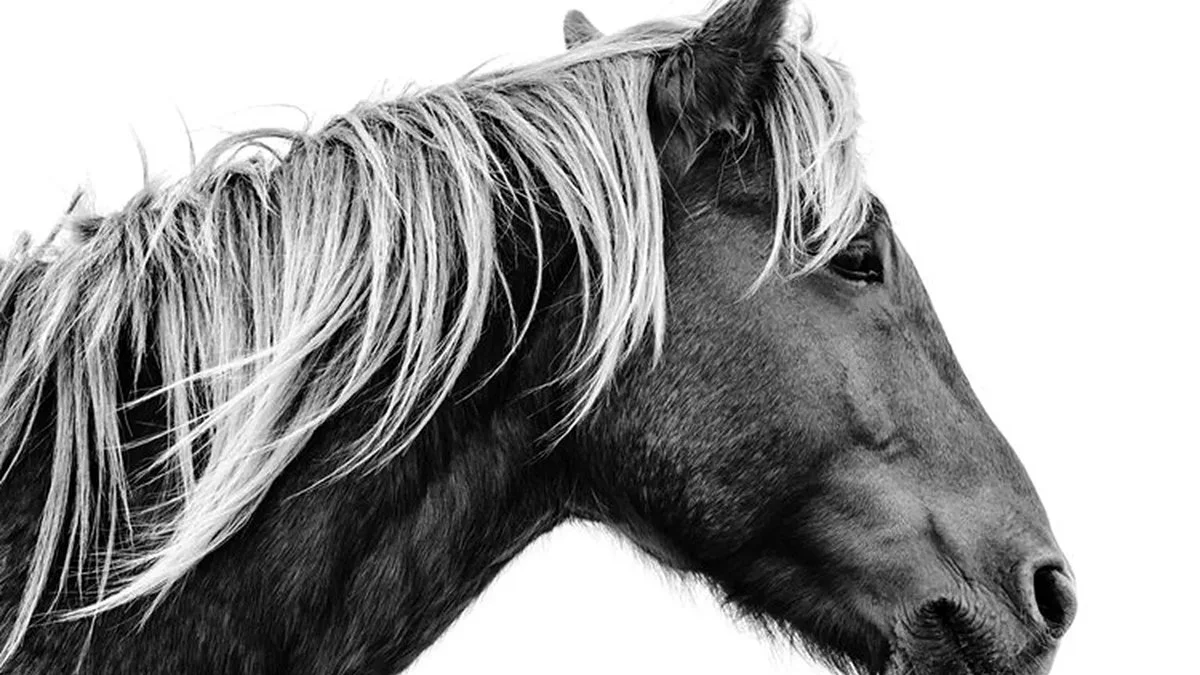
The best equine photography captures this at the precise instant where energy and stillness coexist. Dust catching low light behind a galloping horse. A silhouette against an open sky at the moment of full extension. Black and white horse photography strips away color and directs all of the viewer's attention to form, movement, and atmosphere.
These images carry a graphic power that color photography rarely achieves with the same subject matter. Dramatic lighting amplifies all of this, turning a moment of animal behavior into something that reads as pure visual drama.

Decorative Horse Photos vs Collectible Fine Art
The market for horse imagery is large and diverse. Not all of it qualifies as collectible fine art. Understanding the difference matters before any serious purchase.
Decorative equestrian prints are produced in large or unlimited quantities. They're chosen for surface appeal and distributed through mass-market channels. Collectible equine photography is produced in limited editions by photographers with a coherent artistic vision, using archival materials, and presented with proper documentation.
The artistic intention behind every compositional decision separates these categories as clearly as the edition numbers do. Collectors who invest in equine photography as fine art are buying a consistent artistic perspective applied to a subject with deep symbolic resonance, not simply a pleasing image of a horse.
Why Equine Photography Works in Luxury Interiors
Equine photography translates exceptionally well to luxury residential and commercial environments. The combination of natural subject matter, emotional depth, and strong graphic qualities gives it a visual authority that works at scale.
In executive offices and high-end hospitality environments, large-format equine prints create an immediate impression of sophistication and confidence. The subject carries associations of strength, elegance, and freedom that align naturally with the atmosphere these spaces aim to create.
As institutions dedicated to equine art across the country have demonstrated through decades of exhibitions and acquisitions, the horse as a fine art subject commands serious cultural and aesthetic weight. Fine art photography for corporate and hospitality interiors benefits consistently from subjects that carry that kind of inherent visual authority.

What Collectors Look for Before Buying
Serious collectors approach equine photography purchases with a specific set of criteria. These questions separate considered acquisitions from impulse decisions that don't hold their value.
Before purchasing, experienced buyers typically confirm the following:
Is it a limited edition with a documented total print run?
Is it signed by the photographer?
Does it include a Certificate of Authenticity?
Is it produced on archival materials rated for long-term stability?
Does the photographer have a consistent and recognizable body of work?
Does the composition carry genuine emotional depth beyond technical execution?
Understanding what limited editions mean for long-term value is the foundation of any serious collecting decision. Archival print materials matter equally, since the physical quality of the print determines how the work holds up over years of display.
The Horse as a Lasting Fine Art Subject
Equine photography remains among the most collected fine art subjects because it connects to something that doesn't change with trends or tastes. The horse carries symbolic meaning that humans have recognized for thousands of years. A fine art photographer who approaches that subject with genuine artistic intention produces work that earns its place in serious collections and significant spaces.
Browse Lukas Griffin's fine art photography to see equine work built around exactly those principles, or get in touch to talk through which piece is right for your space or collection.
Frequently Asked Questions
Why is equine photography so popular in fine art?
Horses carry universal symbolic meaning around freedom, power, and the human-animal relationship. Fine art equine photography taps into that symbolism while adding the emotional depth and artistic vision of a specific photographer. The combination creates work that resonates across cultural backgrounds and collector preferences.
What do horses symbolize in fine art photography?
Horses symbolize freedom, power, nobility, and the partnership between humans and the natural world. Different compositions emphasize different qualities. A lone horse in open space communicates solitude and independence. A herd in motion communicates collective energy and wildness. These layers of meaning give equine photography enduring resonance.
What makes horse photography collectible?
Limited edition production, archival materials, a signed certificate of authenticity, and a coherent artistic vision across the photographer's body of work. Collectible equine photography is distinguished from decorative horse imagery by intention, production quality, and the emotional depth of the compositional choices.
Why are black-and-white horse photographs so timeless?
Removing color redirects all attention to form, movement, texture, and light. Black and white horse photography strips the subject to its most essential visual qualities, producing images with graphic power and emotional clarity that color photography rarely achieves with the same subject at the same level.
What should collectors look for in equine photography prints?
Limited edition numbering, artist signature, certificate of authenticity, archival materials, and a photographer whose body of work reflects consistent artistic vision. The emotional depth and compositional strength of the image itself matter as much as any documentation.
Are limited edition horse prints more valuable?
Yes. Limited editions create genuine scarcity that grows in significance as the edition closes and the photographer's reputation develops. A numbered and signed equine photography print from a closed edition will always be rarer and more valuable than an open edition print of the same image.
Why do horses work so well in luxury interiors?
The combination of natural subject matter, strong graphic qualities, and symbolic associations with strength and elegance gives equine photography a visual authority that suits luxury residential and commercial environments naturally. Large-format equine prints carry presence and sophistication that few other subjects match at scale.
What printing methods are best for equine fine art photography?
Giclée printing on museum-grade archival paper or cotton rag is the standard for serious equine fine art photography. This process delivers the tonal range and detail retention that dramatic horse imagery demands. Acrylic face mounts are a strong alternative for commercial and contemporary interior environments.
How does lighting affect equine photography?
Lighting shapes the entire emotional atmosphere of an equine photograph. Low raking light creates drama and texture. Backlight produces silhouettes with graphic power. Soft diffused light emphasizes form and calm. The strongest equine photographers don't simply find good light. They plan for the specific light that serves their artistic intention.
What is the difference between equestrian decor and fine art photography?
Equestrian decor is produced in large quantities for mass-market appeal. Fine art equine photography is produced in limited editions by photographers with a consistent artistic vision, using archival materials, and documented with proper provenance. The distinction lies in artistic intention, production quality, and the depth of emotional engagement the work creates.