Not every ocean photograph is worth collecting. Many are technically accomplished, visually appealing, and reasonably priced. But a collectible ocean photography print is something else entirely. It combines artistic vision, archival permanence, and genuine scarcity into a single object that holds meaning and value over time.
Understanding what separates collectible fine art from decorative wall art helps buyers make decisions they won't regret ten or twenty years from now. Lukas Griffin's ocean photography is built around exactly those principles, producing work where every decision from capture to finished print reflects a serious artistic and craft commitment.
Decorative Prints vs Collectible Fine Art
The difference between a decorative print and a collectible ocean photography print isn't always obvious at first glance. Both can be beautiful. Both can look impressive on a wall. The distinction lies in what they're made from, how many exist, and whether a serious artist stood behind every decision.
Decorative prints are typically produced in unlimited quantities using standard commercial printing processes. As resources on collecting fine art photography consistently make clear, the qualities that define collectible photography are limited editions, archival materials, and a coherent artistic vision recognizable across a body of work. A print that lacks any of these three qualities is decoration. A print that has all three is something worth owning for a generation.

Why Limited Editions Matter to Collectors
Scarcity is one of the most fundamental drivers of collectible value in any art form. Limited edition ocean prints work on the same principle. When an artist fixes the total number of prints available for a specific image, they create genuine scarcity that protects the value of every print in that edition.
Each print in a limited edition carries a number and a signature. Once the edition is complete, no further prints are made. Collectors consistently prefer artists who maintain strict edition discipline and release work with a consistent, recognizable visual identity. An artist who expands editions arbitrarily or releases unlimited prints undermines the trust that collectible value depends on.
The Importance of Archival Print Quality
An ocean photography print is only as valuable as its ability to hold its quality over time. This is where archival materials separate serious fine art from commercial reproduction.
Museum-grade printing standards require pigment-based inks, acid-free papers, and precise color management calibrated for long-term stability. Properly produced giclée prints on archival materials carry fade resistance ratings of 75 to 100 years or more under standard indoor lighting. Understanding the full range of fine art print materials helps buyers evaluate what they're actually investing in before committing to a purchase.
Emotional Connection and Artistic Vision
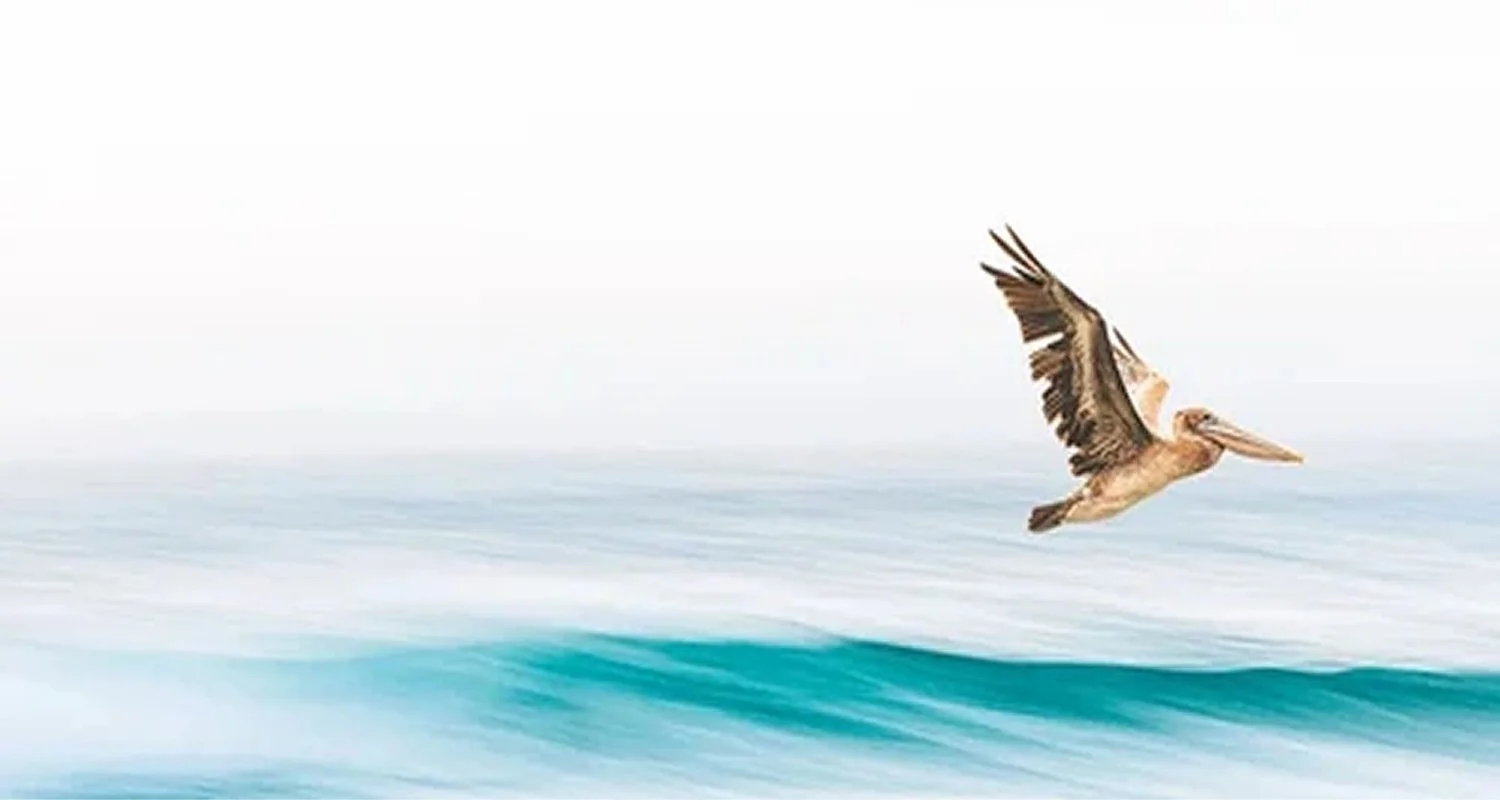
The most collectible ocean photography prints share one quality that no checklist can fully capture. They make you feel something the moment you encounter them. A wave at the precise instant of maximum force. Light dissolving across open water in a way that seems impossible to have caught.
That emotional resonance comes from artistic vision, not equipment or technical skill alone. A fine art seascape photographer isn't simply documenting water. They're choosing a specific feeling and pursuing the exact conditions and moment that communicate it. Collectors who buy for emotional connection, rather than purely for investment, tend to build the most enduring collections over time.
What Serious Buyers Look for Before Purchasing
Experienced collectors approach every fine art ocean photography purchase with a specific set of criteria. These questions separate confident acquisitions from regrettable impulse buys.
Before purchasing, serious buyers typically confirm the following:
Is it a limited edition with a fixed total number of prints?
Is it signed by the artist?
Does it include a Certificate of Authenticity documenting the edition number, materials, and printing method?
Is it produced on archival materials with a documented longevity rating?
Is the artist's body of work consistent and coherent across multiple images?
Does the presentation meet gallery or museum standards?
Thinking through how the print will work in your space is the final practical consideration. A print that checks every collecting criterion but doesn't work in its intended environment hasn't fully earned its place.
Where Collectible Ocean Photography Belongs
A truly collectible ocean photography print is more than wall art. It carries artistic intention, material integrity, and genuine scarcity. It belongs in homes where the sea matters emotionally, in commercial interiors that need the authority of fine art, and in collections built by people who know the difference between what's decorative and what's worth keeping.
Browse Lukas Griffin's fine art photography collections to see ocean photography that meets every criterion for serious collecting, or get in touch to talk through which print is right for your space.
Frequently Asked Questions
What makes a photography print collectible?
A collectible photography print combines limited edition production, archival materials, a signed certificate of authenticity, and a coherent artistic vision. It comes from a photographer with a consistent body of work and is produced in a fixed quantity using museum-grade processes.
Are limited edition ocean prints worth more?
Yes. Limited editions create genuine scarcity that grows in significance as editions close and the artist's reputation develops. A numbered and signed ocean photography print from a closed edition will always be rarer than an open edition print of the same image.
What is the difference between decorative art and fine art photography?
Decorative art is produced in unlimited quantities for aesthetic appeal alone. Fine art photography is produced in limited editions using archival materials, with a documented artistic intention behind every creative decision. The distinction lies in scarcity, craftsmanship, and the coherence of the artist's vision.
How long do archival photography prints last?
Properly produced archival prints using pigment-based inks and acid-free papers carry fade resistance ratings of 75 to 100 years or more under standard indoor lighting. Display conditions, UV exposure, and humidity all affect actual longevity. Museum-standard framing with UV-protective glazing extends print life significantly.
What is a Certificate of Authenticity in fine art photography?
A Certificate of Authenticity confirms a print's edition number, total edition size, materials used, printing method, and artist signature. It establishes provenance and provides the documentation serious collectors require to verify the legitimacy and value of their purchase.
Why do collectors prefer signed prints?
A signed print establishes a direct connection between the artwork and the artist. It confirms authenticity, adds personal value, and typically commands a higher price in the secondary market. For limited editions, the artist's signature alongside the edition number is standard practice in serious fine art photography.
What printing method is best for fine art ocean photography?
Giclée printing using archival pigment inks on museum-grade cotton rag or fine art paper is the gold standard. This process delivers exceptional color depth, tonal range, and fade resistance that standard commercial printing methods can't match over the long term.
Does ocean photography increase in value over time?
It can, when the right conditions are present. Limited editions from photographers with growing reputations, produced on archival materials and properly documented, tend to hold or appreciate as editions close and demand increases. Scarcity, quality, and artistic reputation drive long-term value together.
What should I look for before buying a fine art print?
Confirm the edition size, signature, certificate of authenticity, archival materials, and the photographer's overall body of work. Consider how the print will function in its intended space. A print that meets every collecting criterion and works well in its environment is the standard worth holding to.
Are acrylic or paper prints better for collectors?
Both can be collector-grade depending on production quality. Acrylic face-mounted prints deliver exceptional color depth and a contemporary finish. Archival paper prints on cotton rag offer warmth that suits traditional and minimalist interiors. The best choice depends on the image, the space, and personal preference.