Fine Art Photography for Interior Design: Scale, Mood, and Lasting Impact
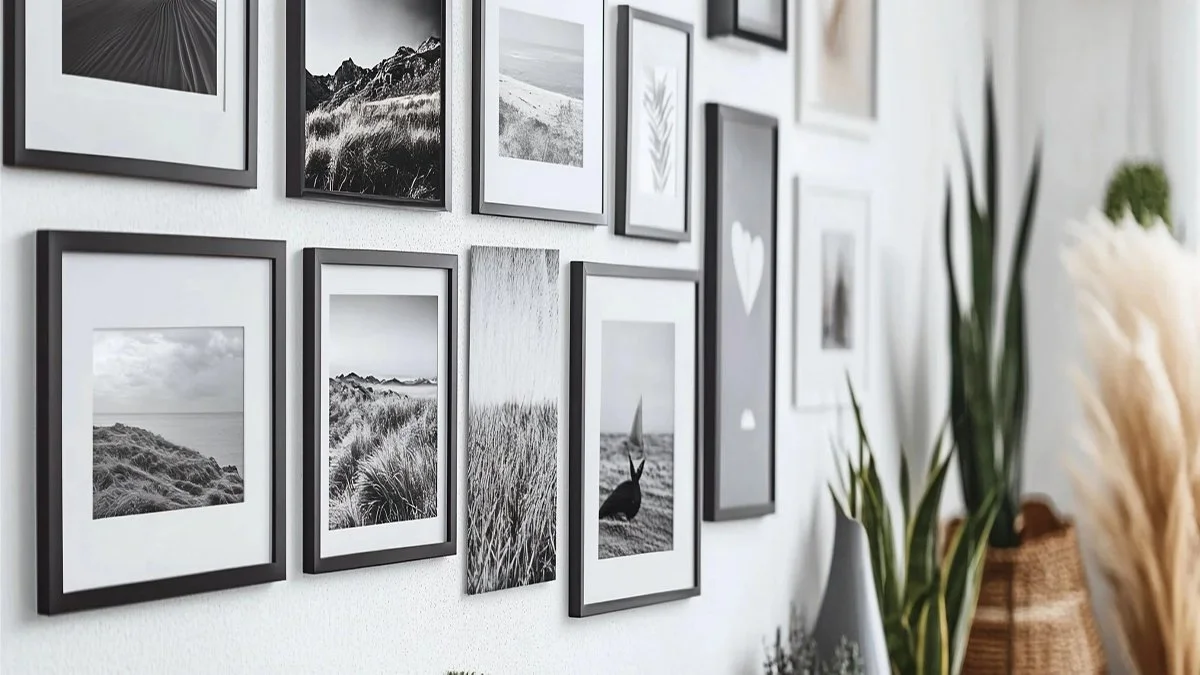
A room can be perfectly furnished and still feel unfinished. What's missing is usually something that carries emotional weight, draws the eye, and tells you something about the people who inhabit the space. Fine art photography for interior design does exactly that. It's not decoration. It's the layer that gives a room its character.
Lukas Griffin's fine art photography is built around that principle, creating work that fits naturally into considered interiors while bringing the energy of the natural world into any space.
How Fine Art Photography Shapes Interior Atmosphere
Every room communicates something before anyone speaks. Light, proportion, color, and the art on the walls all contribute to that first impression. Fine art photography shapes atmosphere in ways that furniture and paint rarely achieve on their own.
A dramatic coastal print brings energy and scale to a neutral room. A soft, minimalist wildlife study creates calm in a high-traffic space. As research into art's documented impact on spatial experience confirms, artwork directly influences how people feel in a space, affecting perceived dimensions, emotional tone, and overall sense of comfort. That influence is the starting point for every interior design decision that involves fine art photography.
Choosing Fine Art Photography for Different Rooms
Living Rooms
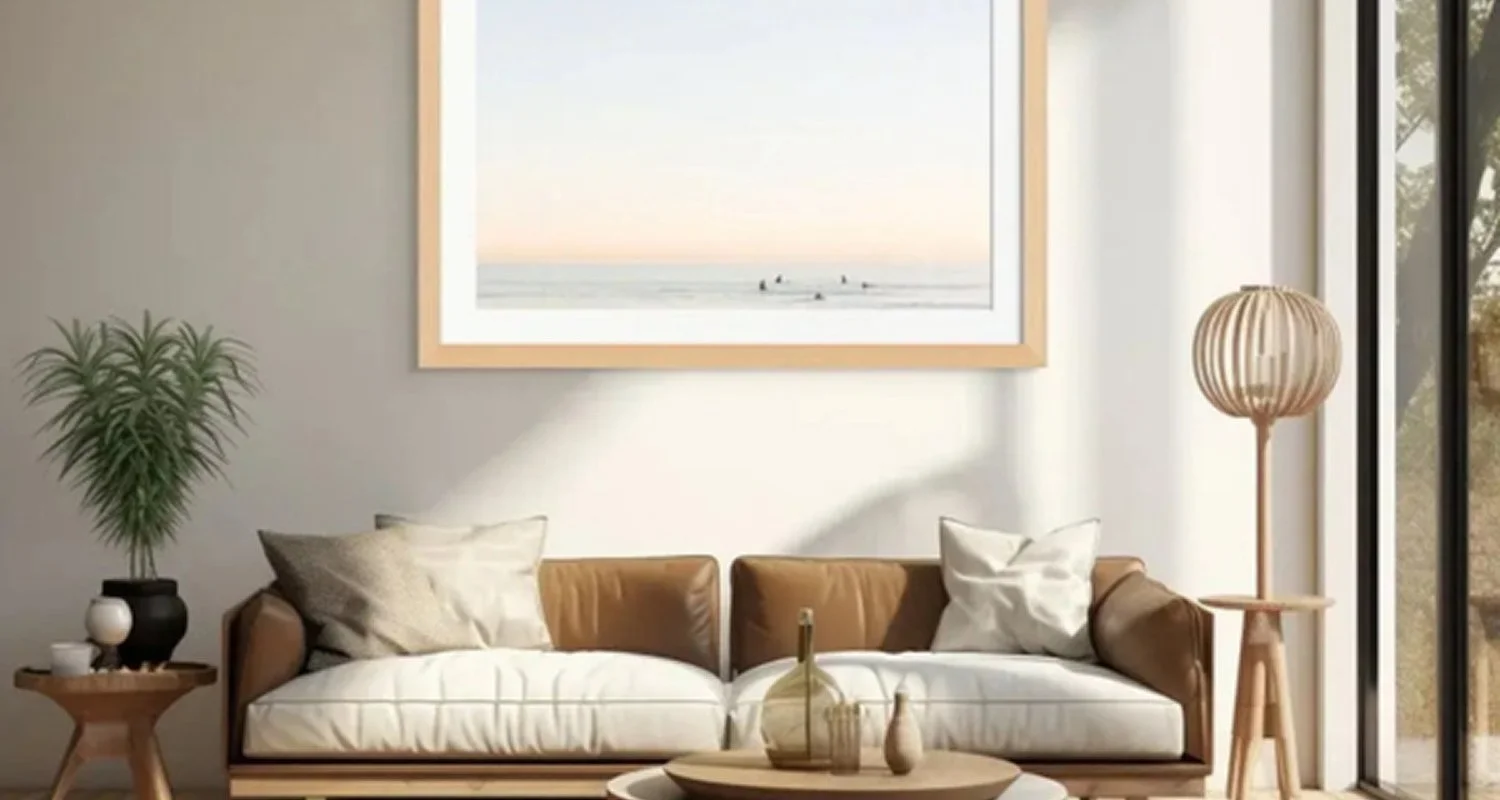
Living rooms call for photography that anchors the space and invites conversation. A single large-format print above a sofa or fireplace creates an immediate focal point. Bold subjects, dramatic light, and wide horizontal compositions suit the scale and social purpose of this room naturally.
Bedrooms
Bedrooms need a different emotional register entirely. Soft tones, calm compositions, and quieter subjects create the sense of rest and withdrawal a bedroom should offer. Fine art landscape photography works particularly well here, bringing the natural world into a space designed for stillness. As photography's role in interior design demonstrates, the subject matter and tonal palette of a print directly shape the emotional atmosphere of the room it lives in.
Offices and Commercial Spaces
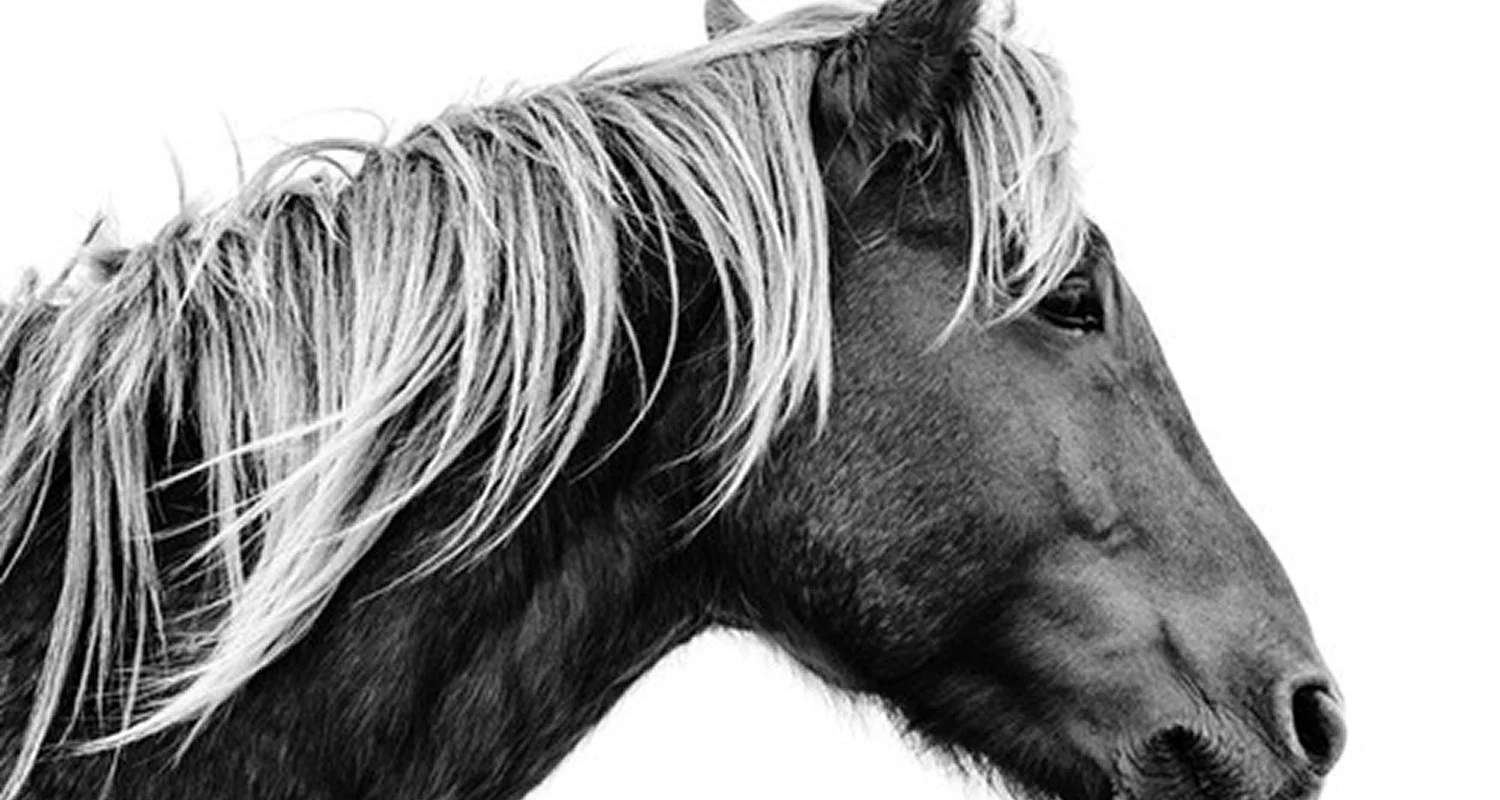
Commercial fine art photography in offices and boardrooms communicates brand values without explanation. A powerful wildlife portrait or abstract architectural image signals confidence and creative thinking. These spaces typically call for bolder imagery, higher contrast, and larger formats that read clearly from across the room.
Hospitality Interiors
Hotels, restaurants, and luxury lobbies use fine art photography to define their guest experience from the moment someone enters. Large-scale installations create immediate visual authority. Curated photography collections across multiple spaces build a cohesive narrative that guests carry with them long after their visit.
Why Scale Is the Most Important Decision
Scale is where most interior design decisions involving photography go wrong. A print that's too small on a large wall disappears. One that's too large in a confined space feels oppressive rather than impressive.
The relationship between print size, ceiling height, and viewing distance determines how powerfully a photograph works in any given room. Oversized fine art prints, typically 40 inches and above in the largest dimension, create immersive quality in open-plan spaces and rooms with high ceilings. Understanding how to choose the right fine art print size before committing to a purchase saves costly mistakes and ensures the work has the presence it deserves.
The Role of Print Quality and Presentation
Print quality shapes how a photograph feels in a room as much as the image itself does. Museum-grade materials, archival inks, and precise color management separate fine art prints from mass-produced reproductions in ways that are immediately visible in person.
Surface finish matters too. A matte cotton rag print brings warmth and depth to nature and landscape subjects. An acrylic face mount adds luminosity and a contemporary edge that suits modern architectural interiors. Understanding the full range of fine art print materials helps buyers and designers make choices that serve both the image and the space it will live in for years.
Fine Art Photography for Designers and Collectors
Interior designers sourcing fine art photography for client projects need consistency, quality assurance, and work that holds its visual authority across different lighting conditions and interior styles. Limited edition prints from photographers with developed, coherent bodies of work deliver all three.
For collectors, the same principles apply with the added dimension of long-term value. Limited editions create genuine scarcity. Archival production standards protect that value over time. Working directly with an artist gives designers and collectors access to custom sizing, specific edition numbers, and the kind of context around the work that enriches both the buying experience and the final installation. Browse available fine art photography collections to see how a consistent artistic vision translates across multiple subjects and formats.
Choosing Photography That Lasts Beyond Trends
Interior design trends shift. The photography that serves a space for decades doesn't. Work built around timeless subjects, neutral tonal palettes, and strong compositional foundations holds its visual power regardless of how the surrounding design evolves.
Nature, wildlife, and landscape photography consistently outperform trend-driven subjects in longevity. These subjects carry universal emotional resonance that doesn't date. A well-chosen fine art print purchased for a space today should still feel completely right in that space twenty years from now. That's the standard worth holding to when making any fine art investment for an interior.
Where to Begin
Fine art photography for interior design works best when it's treated as a foundational design decision rather than a finishing touch. Scale, mood, print quality, and subject matter all shape how a space feels from the moment someone enters it.
If you'd like guidance choosing the right fine art photography for your space, project, or collection, get in touch and let's talk through what you're looking for.
Frequently Asked Questions
How does fine art photography enhance interior design?
Fine art photography shapes atmosphere, creates focal points, and adds emotional depth that furniture and paint alone can't achieve. The right print anchors a room, defines its mood, and gives the space a sense of identity that reflects the people who inhabit it.
What type of photography works best for modern interiors?
Minimalist nature, black and white landscape, and abstract photography suit modern interiors best. These styles share clean lines, restrained palettes, and strong compositional clarity that complement contemporary architecture without competing with it visually.
Are oversized photography prints suitable for minimalist spaces?
Yes. Oversized prints work particularly well in minimalist interiors because they provide the visual weight the space needs without adding clutter. A single large-format print on a clean wall creates maximum impact through scale and simplicity rather than complexity.
How do interior designers choose fine art photography?
Designers typically start with the room's mood, color palette, and scale requirements. They look for photography that holds visual authority at the intended viewing distance, suits the client's aesthetic, and maintains its quality across different lighting conditions throughout the day.
What size photography print works best in large rooms?
Large rooms generally call for prints of 40 inches or above in the largest dimension. Open-plan spaces with high ceilings benefit from oversized formats that fill the wall with presence. Smaller prints in large rooms tend to lose impact and can make the space feel incomplete.
Why are limited edition fine art prints valuable?
Limited editions create genuine scarcity by fixing the total number of prints produced. Once the edition closes, no further prints are made. This scarcity, combined with archival production quality and the artist's developing reputation, drives long-term collectible and investment value.
What is museum-quality fine art photography printing?
Museum-quality printing uses archival papers, pigment-based inks, and precise color management to produce prints rated for over 100 years of stability under normal display conditions. The result is a physical art object that maintains its color accuracy and visual integrity for generations.
How should photography be placed in commercial interiors?
In commercial spaces, photography should be placed where it's visible from primary viewing distances and contributes to the atmosphere the space needs to communicate. Large-format prints in lobbies and reception areas create immediate visual authority. Consistent curation across multiple spaces builds a cohesive interior narrative.
What framing styles work best for fine art photography?
Float frames suit contemporary and minimalist interiors, allowing the print to appear suspended with a clean shadow gap. Traditional frames with matting suit more classic or collected interior aesthetics. Frameless acrylic mounts create a sleek, gallery-like finish that works well in modern commercial environments.
Can fine art photography increase the perceived luxury of a space?
Yes, significantly. Large-format prints on museum-grade materials communicate craftsmanship and intentionality that generic wall art never achieves. A well-chosen fine art photograph elevates the perceived quality of everything around it, signaling to anyone in the space that careful attention has been paid to every detail.