How Wall Art Photography Transforms Blank Walls Into Statement Spaces
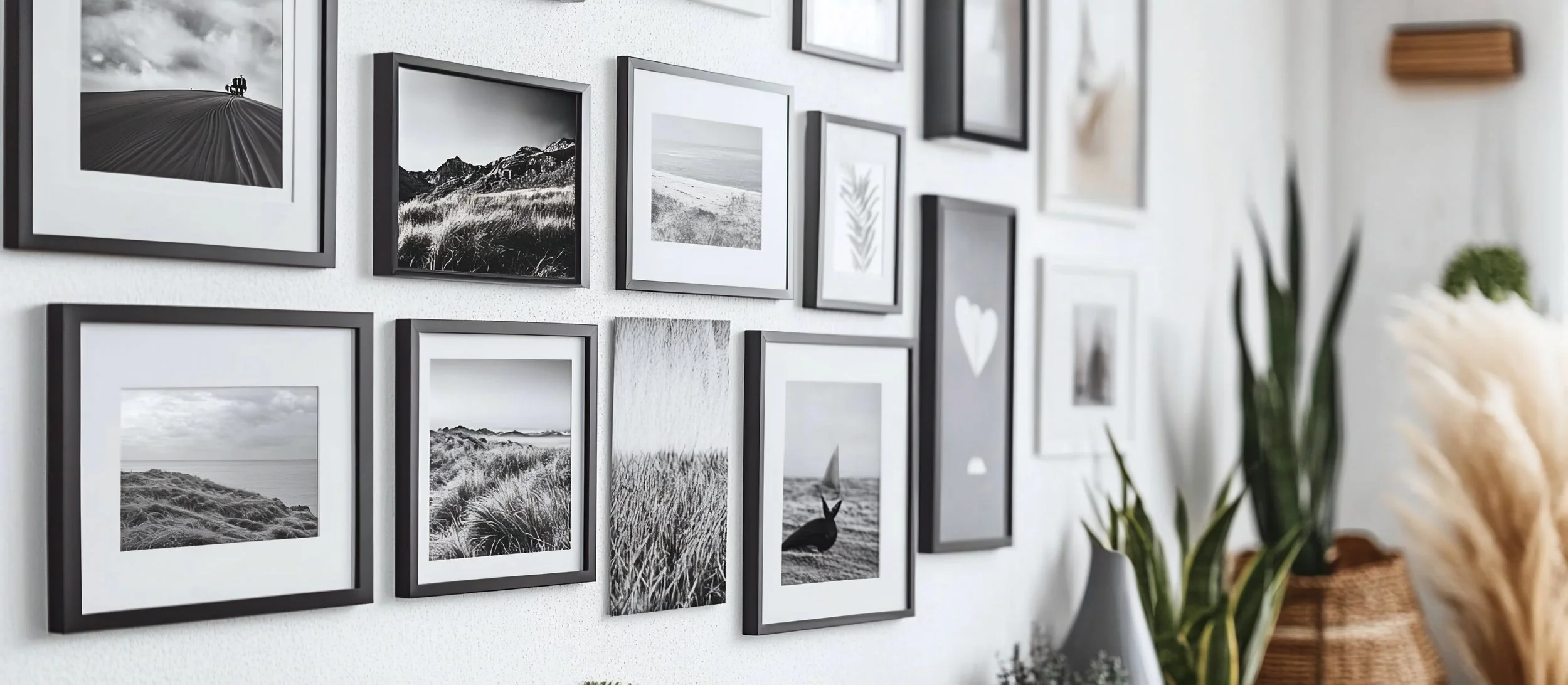
That empty wall in your living room has been staring at you for months. You know it needs something, but filling it feels like a commitment you're not ready to make. Here's what most people don't realize: the right wall art photography doesn't just fill space. It transforms it.
Photography brings a unique energy to interiors that paintings and prints can't quite match. A well-chosen photograph captures real light, authentic moments, and tangible places. When you hang wall art photography in your home, you're not just decorating. You're creating an atmosphere that reflects how you want to feel in that space.
The difference between a room that feels complete and one that feels unfinished often comes down to what's on the walls. Photography has a way of anchoring a space, giving your eye somewhere meaningful to land. Whether you're drawn to dramatic landscapes, intimate black and white compositions, or abstract natural forms, the right piece changes everything about how a room feels.
Why Photography Creates Immediate Impact
Walk into a room with thoughtfully chosen photography wall art and you feel it instantly. Fine art photography prints connect us to real places and authentic light in ways mass-produced posters can't match.
Modern interiors demand art that speaks the same visual language. A landscape photograph brings the outside world in without competing with your design choices. Black and white photography adds sophistication that works across different decor styles.
The emotional resonance matters too. A photograph of mountains at sunrise reminds you of quiet mornings and nature's ability to reset your perspective. That emotional connection transforms a decorative choice into an investment in how you experience your home daily.
Museum-quality prints reveal detail and tonal range cheaper alternatives miss. The blacks stay rich, the highlights hold detail, and the overall image maintains its impact year after year.
Choosing Photography That Transforms Your Space
Size makes or breaks the transformation.
A common mistake is going too small, leaving your wall feeling just as empty as before. For most living room walls, you want photography that measures at least 40 inches on the longer side. Above a sofa, aim for a piece that spans two-thirds to three-quarters of the furniture width. This creates visual balance and gives the photograph enough presence to actually change the room.
Different subjects serve different purposes:
Landscape photography works beautifully in living rooms and offices where you want to create calm and expansiveness
Black and white photographs bring sophistication to bedrooms and dining spaces
Abstract natural forms add visual interest without demanding specific emotional responses
Dramatic cloudscapes and seascapes make powerful focal points in rooms with high ceilings
Your room's function should guide your choice.
A home office benefits from photography that inspires without distracting. Bedrooms need images that promote rest rather than energize. Living spaces can handle bolder subjects and larger scales because they're designed for gathering and conversation.
Museum-quality photography reveals itself in the details.
Look for limited edition prints with proper documentation. Archival printing processes ensure your investment maintains its value and appearance over decades. The paper or substrate matters tremendously. Premium wall photo prints use fine art paper or gallery-quality acrylic that offer depth and longevity budget alternatives can't match.
Consider the lighting in your space too.
A photograph displayed in natural light needs different considerations than one in artificial lighting. Some subjects reveal more detail in bright conditions while others show their depth in softer, ambient light. The Lukas Griffin Photography collection, for instance, is created with wall display in mind, ensuring each piece performs beautifully in real home environments.
Hanging Your Photography the Right Way
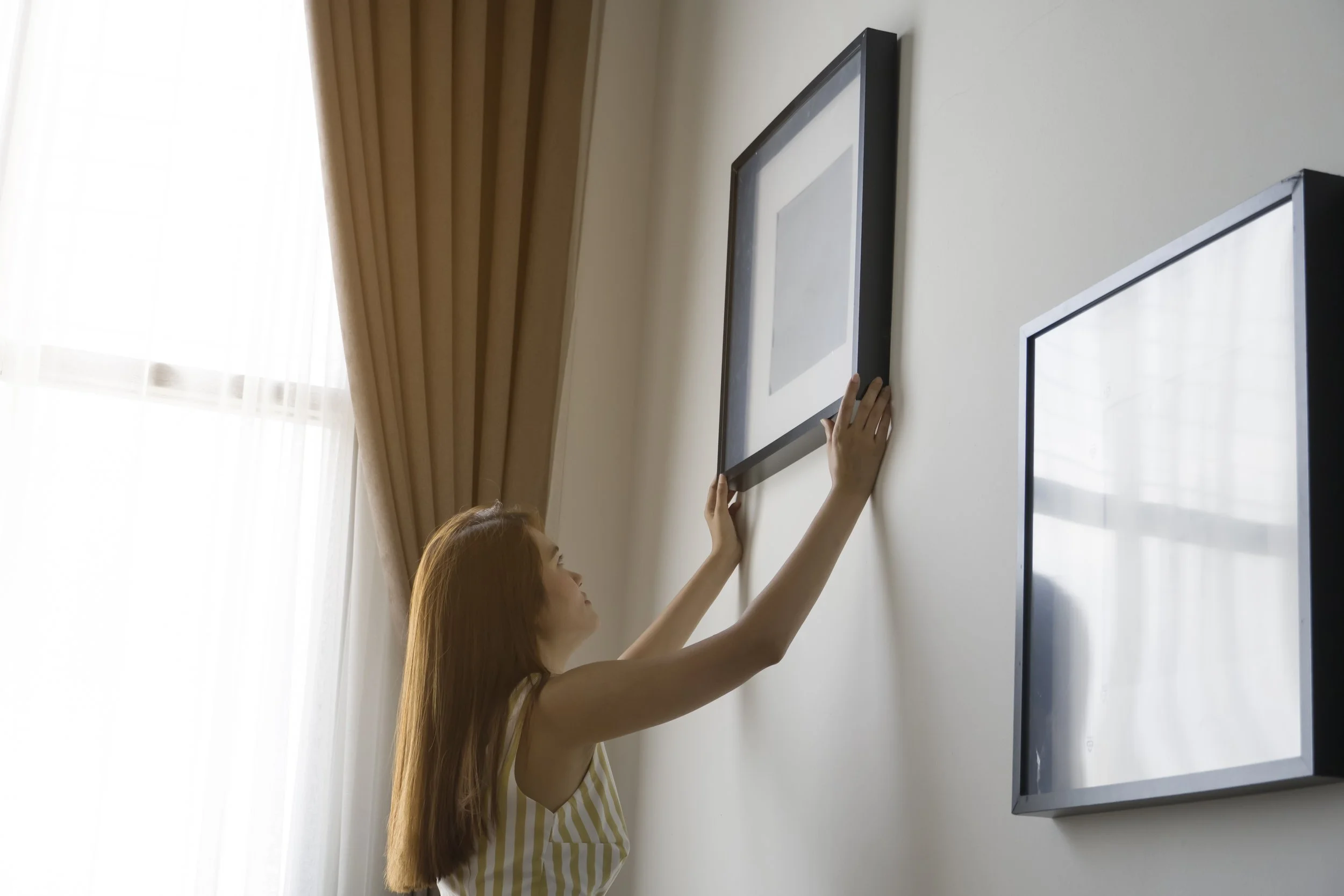
Damage-Free Hanging Methods
You don't need to damage your walls to display photography prints wall art. Adhesive hanging strips now support surprisingly heavy frames when used correctly. For pieces under 20 pounds, quality picture hanging strips work perfectly and remove cleanly when you're ready to rotate your collection.
Heavier photography requires more substantial support. Wall anchors distribute weight across a larger area and prevent the gradual sagging that damages both walls and frames. If you're hanging valuable limited edition prints, investing in proper hardware protects your investment and gives you confidence the piece will stay exactly where you want it.
Getting the Height Right
Height matters more than most people think. The center of your photograph should sit at eye level, typically 57 to 60 inches from the floor. This standard gallery height ensures comfortable viewing whether you're standing or seated. In dining rooms where people sit most of the time, you can go slightly lower.
Single Statement Piece vs Gallery Wall
A single statement piece creates drama and focus. One large-scale photograph commands attention and simplifies your space in the best way. This approach works especially well in minimalist interiors or rooms where you want the photography to be the clear focal point.
Gallery walls offer flexibility but require more planning. When combining multiple photo prints for wall display, maintain consistent spacing between frames (usually 2 to 3 inches) and establish a visual anchor with your largest piece. Build outward from there, balancing sizes and orientations to create cohesion without rigidity.
Mixing Styles Without Creating Chaos
Matching creates calm, mixing creates interest. If your interior already has strong visual elements, matching frames creates breathing room. Simpler spaces benefit from more eclectic combinations.
When mixing photography styles, frame coordination becomes your unifying element. Choose two or three frame finishes and repeat them throughout your display. Each frame style should appear at least twice to avoid the "mistake" look.
Color palette cohesion works even when subjects differ. Three black and white photographs of different subjects read as curated when framed similarly. Alternatively, color photo wall art with shared tones creates harmony despite different compositions.
Visual weight needs distribution. Don't cluster all your largest or darkest pieces on one side. A large, light-toned photograph can offset a smaller, darker, more detailed piece.
Photography wall decor works best when it reflects genuine connection rather than rigid rules. The key is ensuring each piece holds its own while contributing to the overall composition.
Living With Your Choices
The walls in your home deserve more than afterthought decoration. Wall art photography transforms blank spaces into environments that support how you want to live. Whether you start with a single powerful landscape or build a curated collection over time, each piece you choose shapes your daily experience.
Quality photography ages beautifully, developing the kind of presence that grows more valuable rather than feeling dated. Limited edition prints from collections like Lukas Griffin Photography offer this lasting appeal, combining artistic vision with materials built to maintain their impact for decades.
Your walls are waiting. The right photograph doesn't just fill space. It creates the space you actually want to live in.