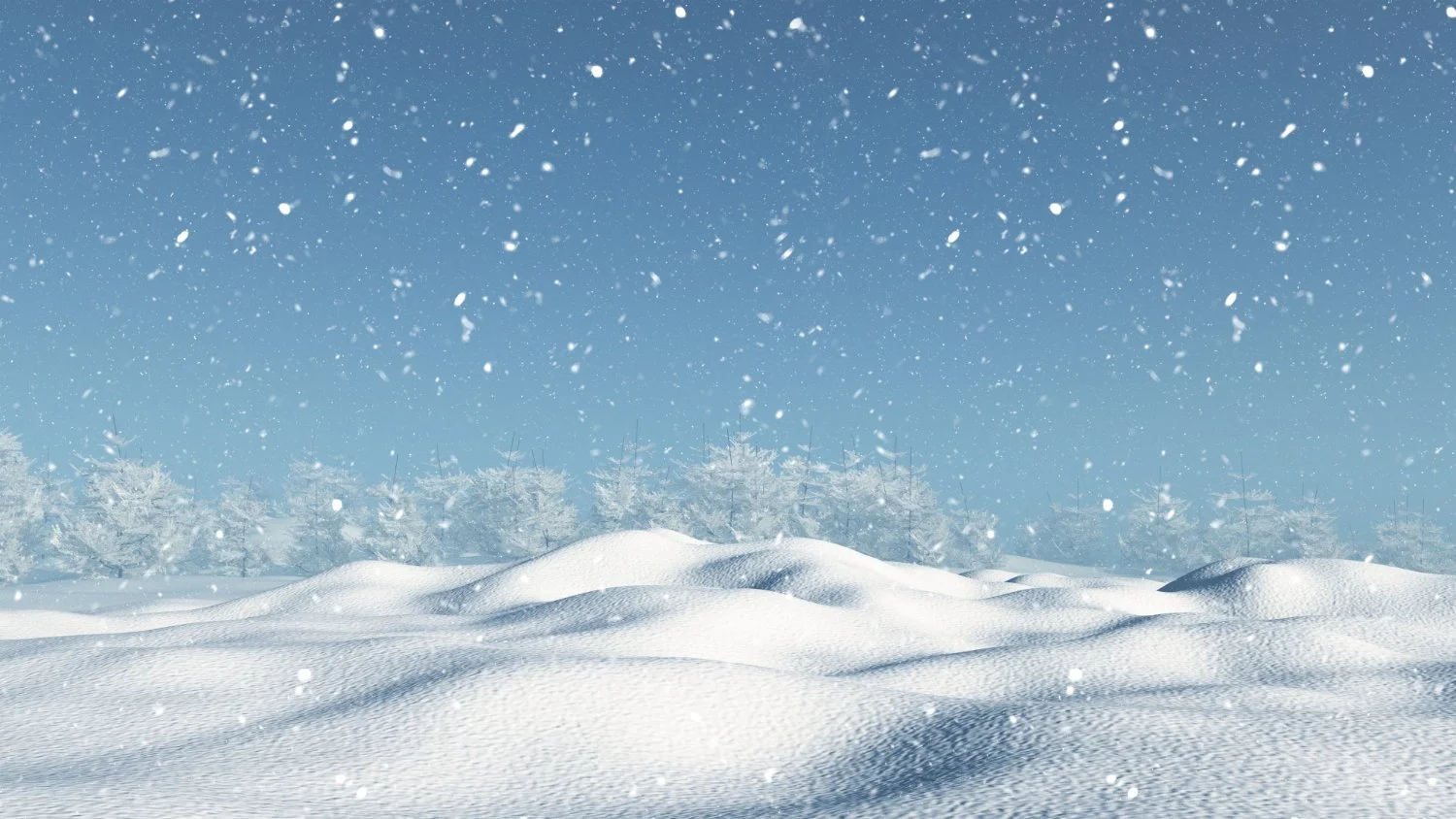
Snow has a way of editing the world. It hides the clutter, quiets the color, and leaves only light, line, and form behind. That's why a winter landscape can still feel fresh on your wall in the middle of July.
It's also why collectors keep coming back to the subject long after the snow melts. Here's what gives these images their staying power and how to choose one that fits your home.
Why Artists Keep Returning to the Winter Landscape
Painters were drawn to snow long before cameras existed. Pieter Bruegel the Elder painted hunters trudging home through a snowy village in 1565. Centuries later, Caspar David Friedrich turned frozen fields and bare oaks into quiet studies of solitude.
Photography picked up that thread almost right away. Stieglitz's famous snowstorm photograph helped prove the camera could make real art. He waited for hours in a New York blizzard to get the shot.
Today, winter landscape art hangs in museum collections and private homes alike. The subject has lasted because it speaks to something deeper than the weather.
What Sets Winter Apart From Every Other Season
Most fine art landscape photography works with abundance, whether that's color, texture, or detail. Winter takes almost all of that away.
A snowy landscape narrows the palette to whites, grays, and soft blues. Fresh snow even muffles sound, and that hush carries into the image.
In a winter snow landscape, a single tree or ridgeline suddenly matters. The eye has fewer places to wander, so every shape gets more weight. That simplicity is a big reason these images feel calm rather than busy.
Snow, Line, and the Beauty of Empty Space
Empty space isn't wasted space in a good winter image. Wide fields of snow act like a quiet frame around whatever stands within them.
Bare branches turn into graceful lines, and hoarfrost traces every twig in white. Push that idea far enough and you get snow as pure abstraction, where form matters more than place.
Snow photography rewards this kind of restraint. What's left out often says as much as what stays in the frame.
The Patience Behind Great Winter Light
Winter light is low, soft, and fleeting. The sun hangs near the horizon for much of the day, stretching long shadows across the snow.
Blue hour adds another layer, washing white fields in cool, quiet tones. These windows can be brief, and the cold doesn't make waiting any easier.
Ansel Adams's Winter Sunrise is a classic example. Adams stood in zero-degree weather, waiting for the light to reveal the Sierra Nevada just right. That kind of patience is part of what you're buying in serious winter photography.
There's something freeing about that solitude, too. Standing alone in a silent, frozen place is an adventure few people ever experience.
Why a Winter Landscape Feels Right in Any Season
A good winter scene isn't tied to a holiday or a single month. It's about stillness, and stillness never goes out of season.
Cool tones also balance a room in ways people don't always expect. Whites and soft blues calm down warm woods, leather, and linen.
In summer, a snowy image can make a sunny room feel a little cooler and more open. In winter, it simply echoes the view outside.
Most of all, these images give the eye a place to rest. That's why they work so well in rooms where you want to slow down.
How to Choose a Winter Landscape for Your Home
The right piece depends on your space as much as the image itself. A few simple questions make the choice much easier.
Color or black and white. Color keeps the soft blues and blush tones of winter light. Black and white leans into shape, contrast, and mood.
Scale. Wide snowfields need room to breathe, so larger prints usually work best. Aim for roughly two-thirds the width of the furniture below.
Mood. Quiet, minimal scenes suit bedrooms and reading corners. Bolder mountain views can anchor a living room or entryway.
Paper and finish. Matte fine art paper holds the subtle tones in snow without glare. Snowy images printed this way keep their detail up close.
If you're unsure, it helps to talk through size and placement before deciding. A quick conversation can save you from a print that feels too small or too busy.
A Season Worth Keeping on Your Wall
A winter landscape offers something rare, which is calm that lasts all year. It holds the quiet of a snowfall long after spring arrives.
The Below Zero collection captures that stillness in winter wall art made for long, quiet looking. You'll find it alongside the wildlife and coastal work in Lukas Griffin's fine art photography.
Frequently Asked Questions
Can a winter landscape stay on display all year?
Absolutely. Snowy scenes are about stillness, not the calendar, so they feel natural in any month. Many collectors find these pieces become the calmest part of a room.
Will a snowy scene feel cold in a warm-toned room?
Usually not. Cool whites and blues tend to balance warm woods and fabrics rather than fight them. A warm frame or mat can soften the contrast even more.
Is color or black and white better for winter landscape photography?
Neither is better overall. Color captures the blues and blush tones of winter light. Black and white highlights shape and contrast, which suits minimal, graphic scenes.
What print finish shows snow detail best?
A matte or lightly textured fine art paper usually works best. It cuts glare and holds the subtle tonal shifts that make snow look real.
Which rooms suit a winter landscape best?
Bedrooms, living rooms, and home offices all work well. These images bring calm, so they're especially good where you want to rest or focus.
Do the white areas of a print yellow over time?
Archival pigment prints on acid-free paper resist yellowing for decades. Keeping the piece out of direct sunlight and behind UV-filtering glass helps protect those bright whites.