Why Fine Art Abstract Photography Rewards a Second Look
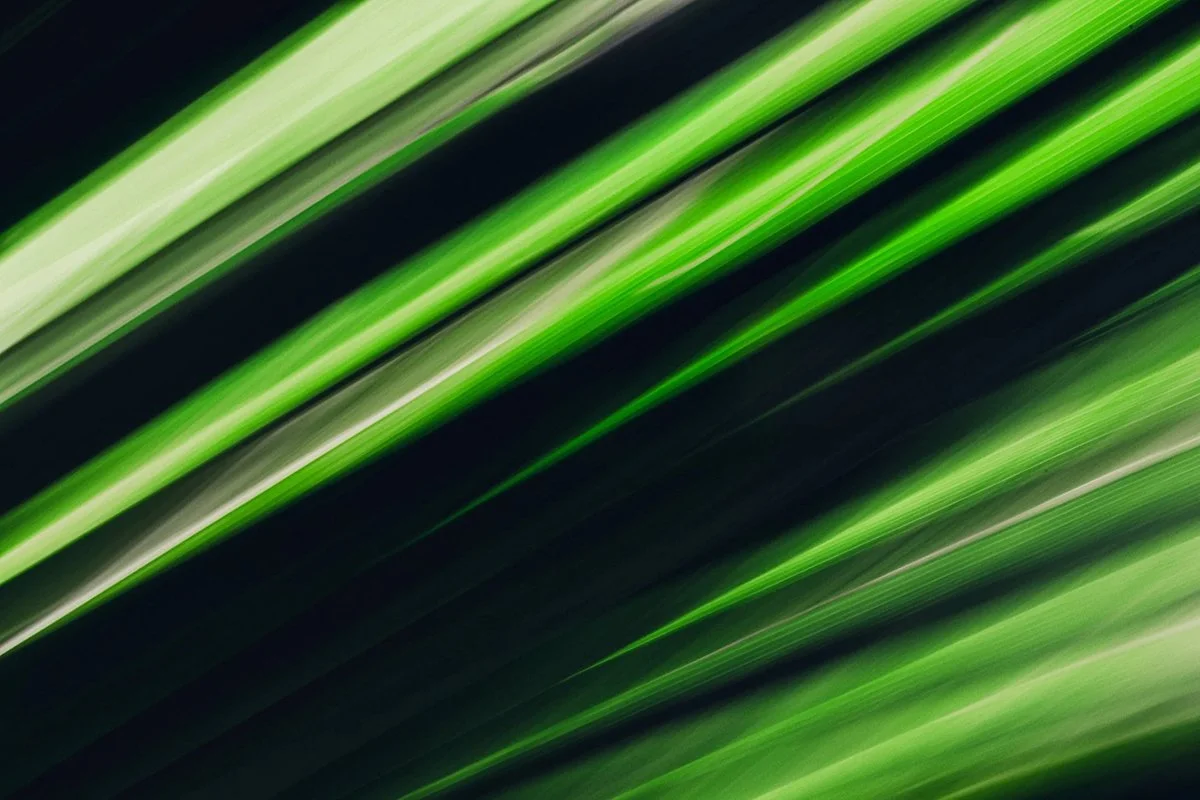
A photograph doesn't need a clear subject to hold your attention. Fine art abstract photography strips a scene down to form, color, and light instead. What's left asks you to look rather than simply recognize.
Most abstract images start with something real. A wave, a wall, a shadow. The photographer's choices turn that ordinary thing into something else entirely.
For buyers, that shift is the whole appeal. A strong abstract piece rewards a longer look than a literal scene ever could.
What Makes a Photograph Count as Fine Art Abstraction

A subject doesn't need to disappear completely to count as abstract. Sometimes a shape or color simply takes over the frame, even if you can still tell what it is.
What separates fine art from a blurry accident is intention. The photographer made a deliberate choice about what to isolate, crop, or exaggerate.
That choice carries a point of view. Without it, an abstract-looking image is just an unclear photo, not a piece of fine art.
How a Photograph Becomes Abstract
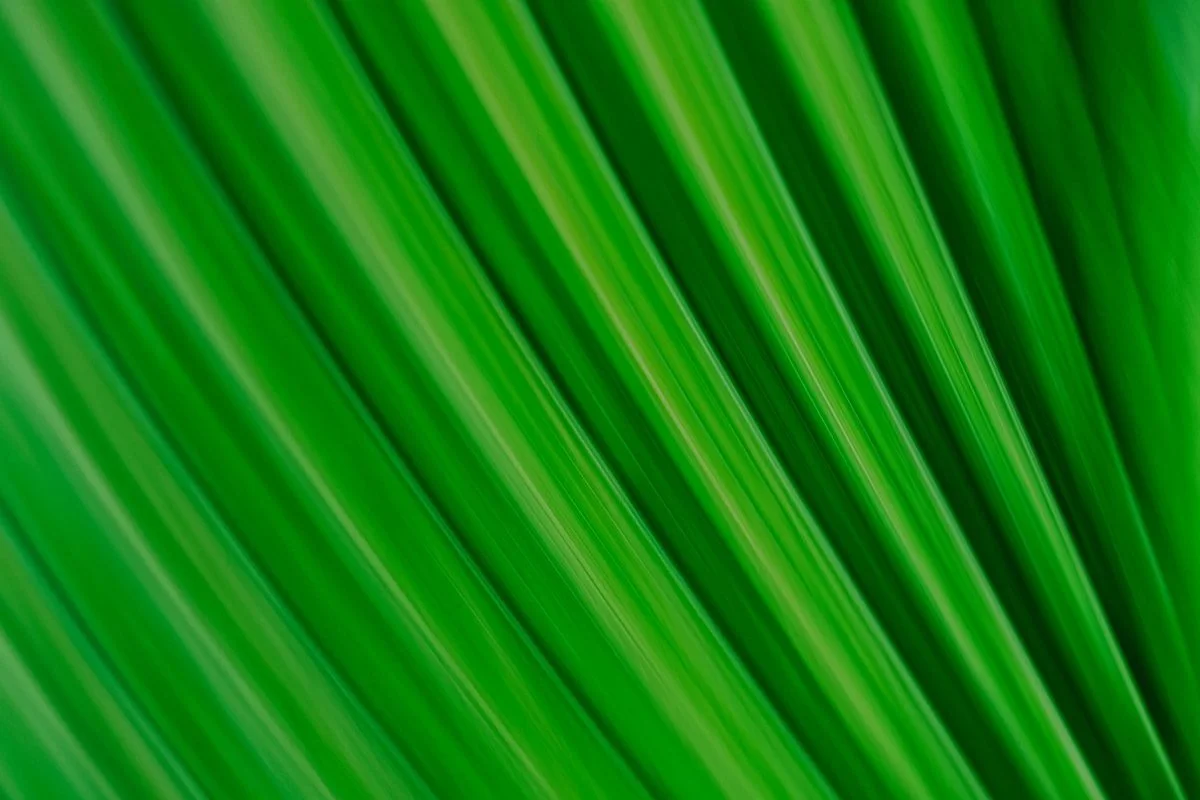
A few techniques show up again and again. Cropping tight removes context. Shooting from an unusual angle changes how familiar something looks.
Reflections, motion blur, and multiple exposures push things further, layering or distorting a scene until the original subject fades. None of these tricks require total unrecognizability to work.
Fine art abstract photography often sits on a spectrum, somewhere between fully representational and fully abstract. Fine art macro photography often lives in that middle ground, using extreme closeness to blur the line.
Form, Color, Texture, and Light

Once literal subject matter fades, four elements take over. Form and texture give an image its structure, from a hard geometric line to a rough, tactile surface.
Color and light set the mood together. A single warm tone can feel intimate, while a deep shadow adds mystery or weight.
None of this needs a clear subject to work. The image reads through these qualities alone.
Where Abstraction Finds Its Subjects
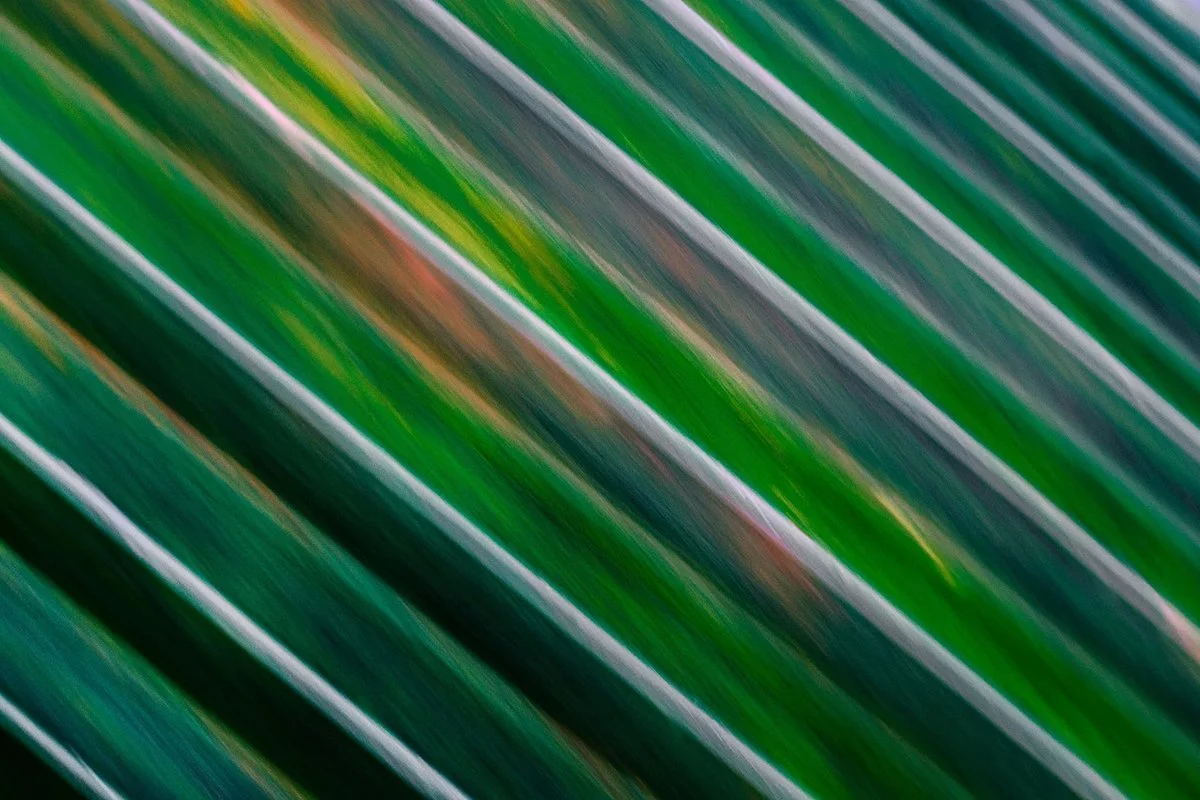
Nature offers endless raw material. Water ripples, bark patterns, and frost on a window all carry texture without needing a wider scene.
Architecture works the same way. A building's facade, reflected glass, or a hard shadow across concrete can turn something structural into pure geometry.
Fine art nature photography often sits closer to this abstract edge than people expect. The photographer's eye matters more than the subject itself. Two people can shoot the same wall and walk away with completely different images.
How to Read an Abstract Photograph
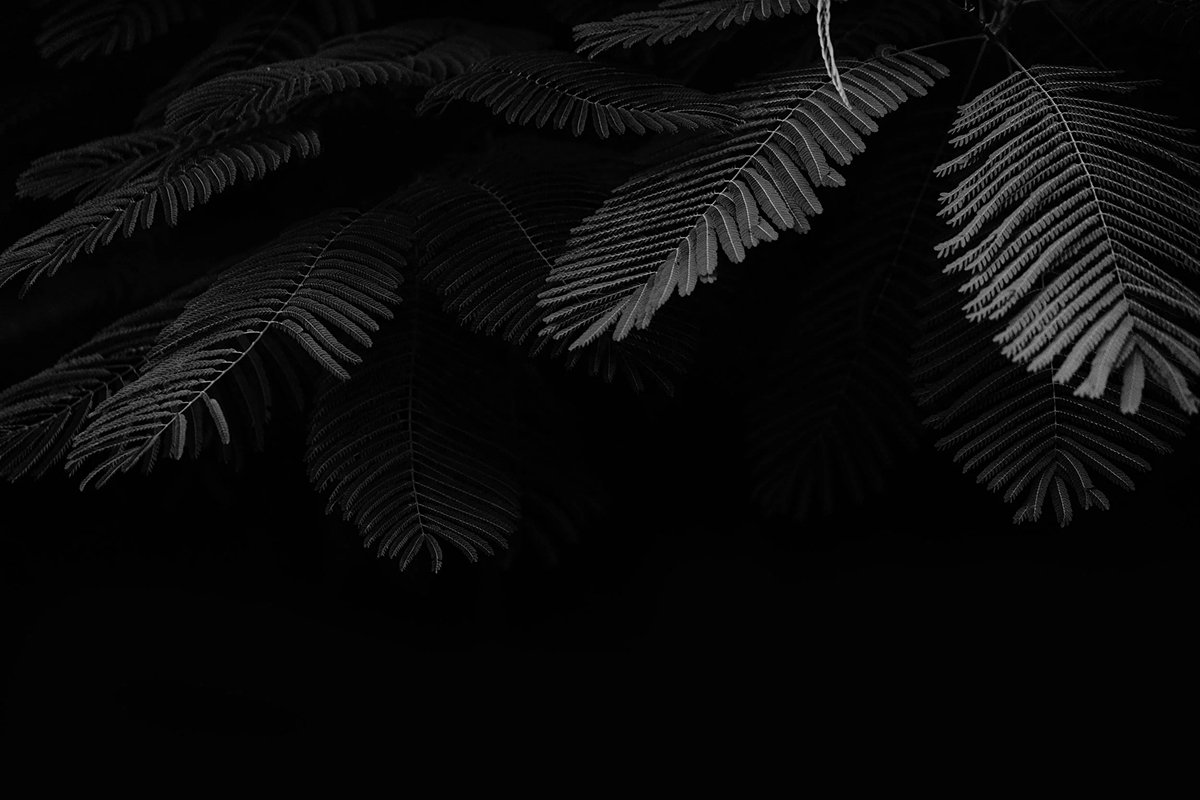
Start with your gut reaction. Does the image feel calm, chaotic, tense, or warm before you even try to name what it shows.
From there, notice color and form. What draws your eye first, and where does it lead you next around the frame.
Interpretation matters more than identification here. This is the same idea behind fine art portrait photography that leans abstract, where mood outweighs a literal likeness.
What to Look for When Choosing Abstract Photography
Choosing fine art abstract photography starts with your gut reaction to a piece. If it holds your attention, that's the strongest signal.
Color palette and visual energy matter next. A calm, muted piece works differently in a room than a bold, high-contrast one.
For businesses, scale and viewing distance change everything. A piece meant for a lobby needs to read clearly from across the room, not just up close.
Collectors should also look at how a piece fits within a photographer's wider body of work. Consistency of vision often matters more than any single striking image.
Print quality still counts here too. Getting the right size changes how an abstract piece reads on a wall. And if you're unsure, just reach out before committing to anything.
Abstraction's Place in the Art World
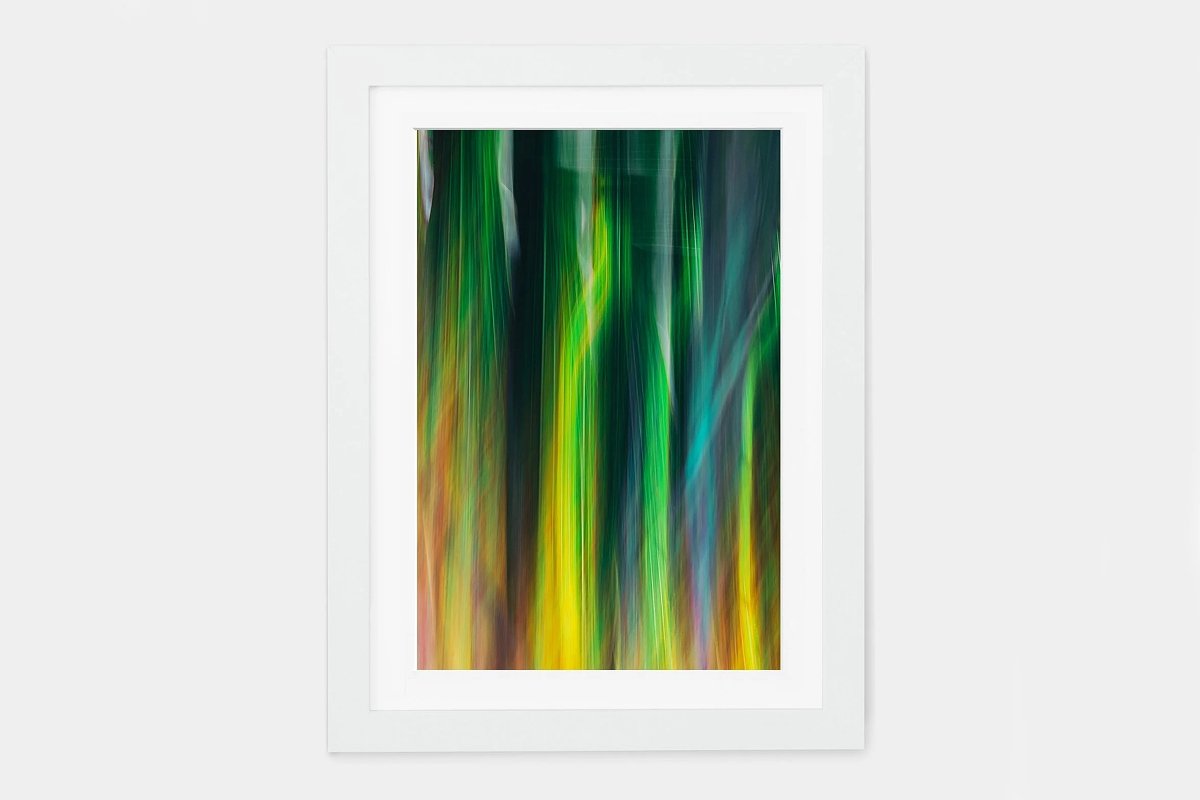
Abstraction has a long, respected history in photography, not just painting. Decades of light experiments shaped how the medium moved past pure documentation early on.
That history keeps evolving into contemporary abstract photography today. An ongoing abstraction movement shows the genre is still very much alive.
Where Lukas Griffin's Work Turns Abstract
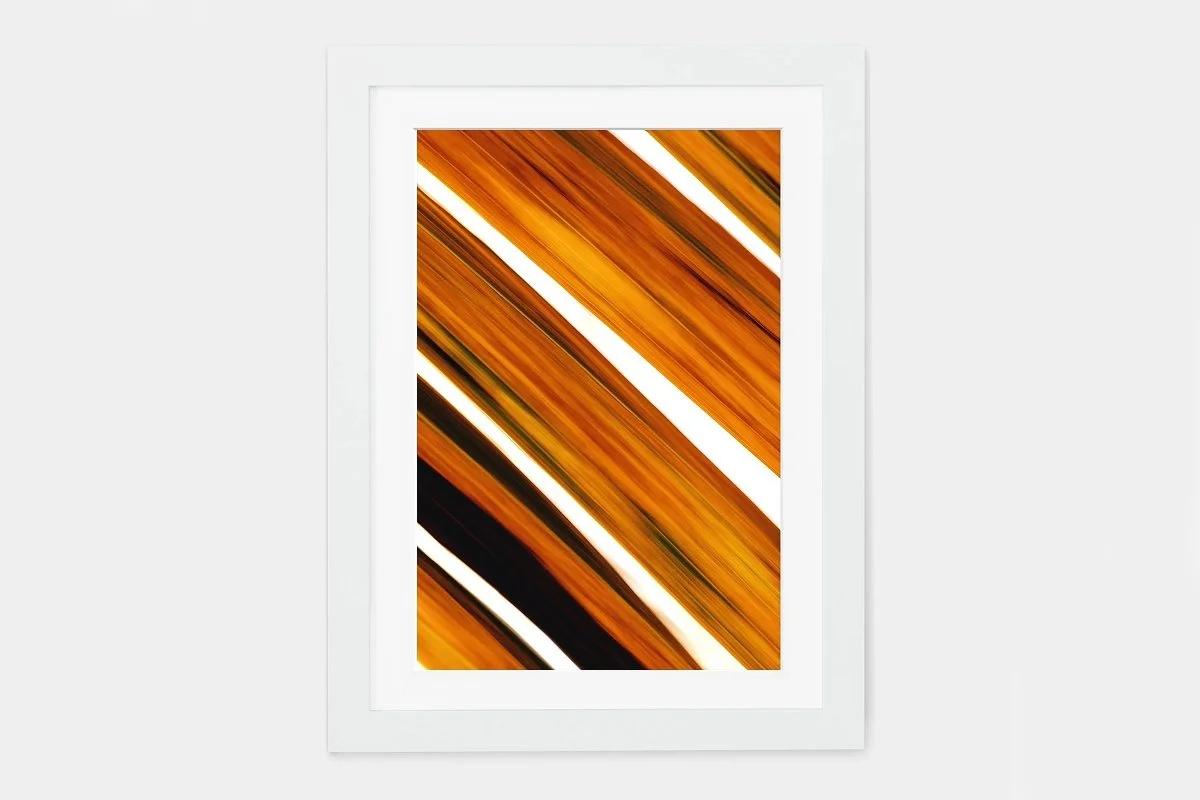
Lukas Griffin's photography is mostly rooted in wildlife and landscape, but one collection leans fully into abstraction. Below Zero uses winter itself as the subject, treating snow and ice as sculpture rather than scenery.
That collection captures speed, stillness, and the shapes movement leaves behind on a mountain. It's less about documenting a place and more about the forms winter creates.
Fine art abstract photography asks you to notice how something looks before you worry about what it is. That shift in attention is the whole reward.
If form and light interest you, his Below Zero collection takes that idea further.
Wildlife, coastlines, and quiet moments in nature round out his full portfolio. That's worth a look if abstraction is just one piece of what draws you in.
Frequently Asked Questions
What is fine art abstract photography?
It's photography that reduces or transforms a subject to highlight form, color, texture, and light, guided by artistic intention rather than straightforward documentation.
What makes a photograph abstract?
Techniques like cropping, unusual angles, reflections, motion, and close framing all reduce context, shifting attention toward visual qualities instead of a clear subject.
Does abstract photography have to be unrecognizable?
No. It exists on a spectrum, from semi-abstract images with a visible source to work where the original subject is nearly impossible to identify.
What subjects are commonly used in abstract photography?
Nature and architecture show up most often, from water and plant textures to building facades, reflections, and shadows. Framing matters more than the subject itself.
How do you choose abstract photography for a home or business?
Start with your emotional response, then consider color, scale, and orientation. For shared spaces, think about viewing distance and the atmosphere you want to create.
What should collectors look for in abstract fine art photography?
Look for a clear artistic voice and how a piece connects to a photographer's wider body of work, along with solid presentation and edition details.