Fine Art Still Life Photography as a Study in Stillness and Meaning
A still life photograph asks you to slow down. Fine art still life photography takes ordinary objects and arranges them into something that holds your attention. Nothing here happens by accident.
Every object, every shadow, and every gap of empty space is a choice. That's what separates fine art from a simple product photo, a decision about meaning rather than documentation.
For buyers, that distinction matters. A still life worth owning rewards a second look, and a third, long after the first impression fades.
What Makes a Still Life Photograph Count as Fine Art

A product shot exists to sell something. A fine art still life exists to say something. The gap between those two goals is where intention lives.
Nothing in a strong still life feels random. The photographer chooses every object, decides how light falls across it, and controls what the viewer notices first.
That level of control is what separates still life composition from a casual arrangement of objects on a table. Craft alone isn't enough without a point of view behind it.
From Old Masters to Modern Still Life
Still life has roots in centuries of painting, long before cameras existed. Painters used fruit, flowers, and household objects to hint at bigger ideas beyond their surface appearance.
The centuries-old tradition behind arranging fruit, flowers, and objects for the camera shaped how photographers approached the genre too. Vanitas paintings used these same objects as quiet reminders that time and beauty don't last.
Chiaroscuro lighting, with its deep shadow and sharp contrast, became a favorite way to add drama to ordinary objects. Flowers stayed one of the genre's most enduring subjects. That's part of what makes the deeper history behind fine art flower photography worth a look too.
What Gives a Still Life Its Meaning
Meaning comes from relationships, not just objects. How two items sit next to each other can suggest tension, harmony, or contrast. An empty space beside a single object can feel like absence.
Color carries weight too. A single red object in a muted scene pulls focus immediately. Texture does similar work, contrasting rough and smooth surfaces to add depth.
None of this requires a literal story. The best still life work suggests a feeling or a passage of time without spelling it out. That's part of why the genre rewards slow looking.
The Role of Light and Composition
Light does more than illuminate a still life. Directional light can carve out texture, making a rough surface feel almost touchable. Soft, even light does the opposite, smoothing everything into calm.
Shadow adds its own layer of meaning. A deep shadow can introduce mystery or weight, while a bright, shadowless scene feels lighter and simpler.
The same fundamentals guide fine art photography composition techniques across genres. A still life just plays with negative space differently than a landscape or portrait does. Empty space here often reads as quiet rather than absence.
Classical Versus Contemporary Approaches
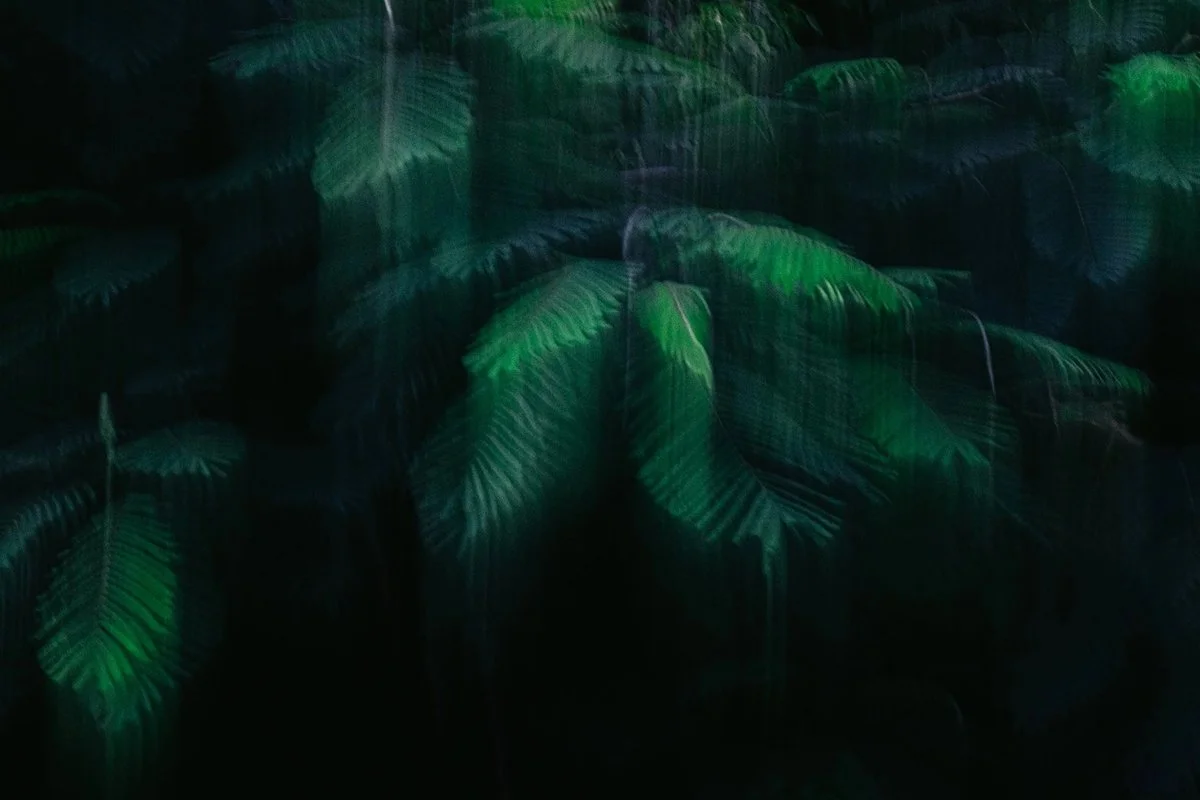
Classical still life leans into rich color, careful arrangement, and symbolism borrowed from painting. It often feels formal, even a little theatrical.
Contemporary still life takes the opposite approach. Minimalism, bold geometry, and unexpected objects replace ornate symbolism. Contemporary still life photography often gets shot at extreme close range to abstract the subject entirely.
A major museum exhibition built entirely around the modern take on this genre shows how far it has traveled. The close-up world of fine art macro photography overlaps with still life constantly. Both rely on getting close enough to change how an object reads.
What to Look for When Choosing Still Life Fine Art

Start with emotional response. Does the piece make you want to keep looking, or does the appeal fade after the first glance. That reaction matters more than matching a color scheme.
Subject matter and style matter too. Some collectors want the drama of classical arrangement. Others prefer the sparse, modern approach with fewer objects and more empty space.
For businesses choosing fine art still life photography for shared spaces, scale and atmosphere carry extra weight. How this genre fits into interior and commercial spaces is worth thinking through first. That matters especially in a lobby or office setting.
Print quality still matters here just like any other genre. Getting the right print size for your wall changes how a still life reads in a room. If you're weighing options, reaching out with your specific space in mind can help narrow things down.
Where Stillness Meets the Untouched
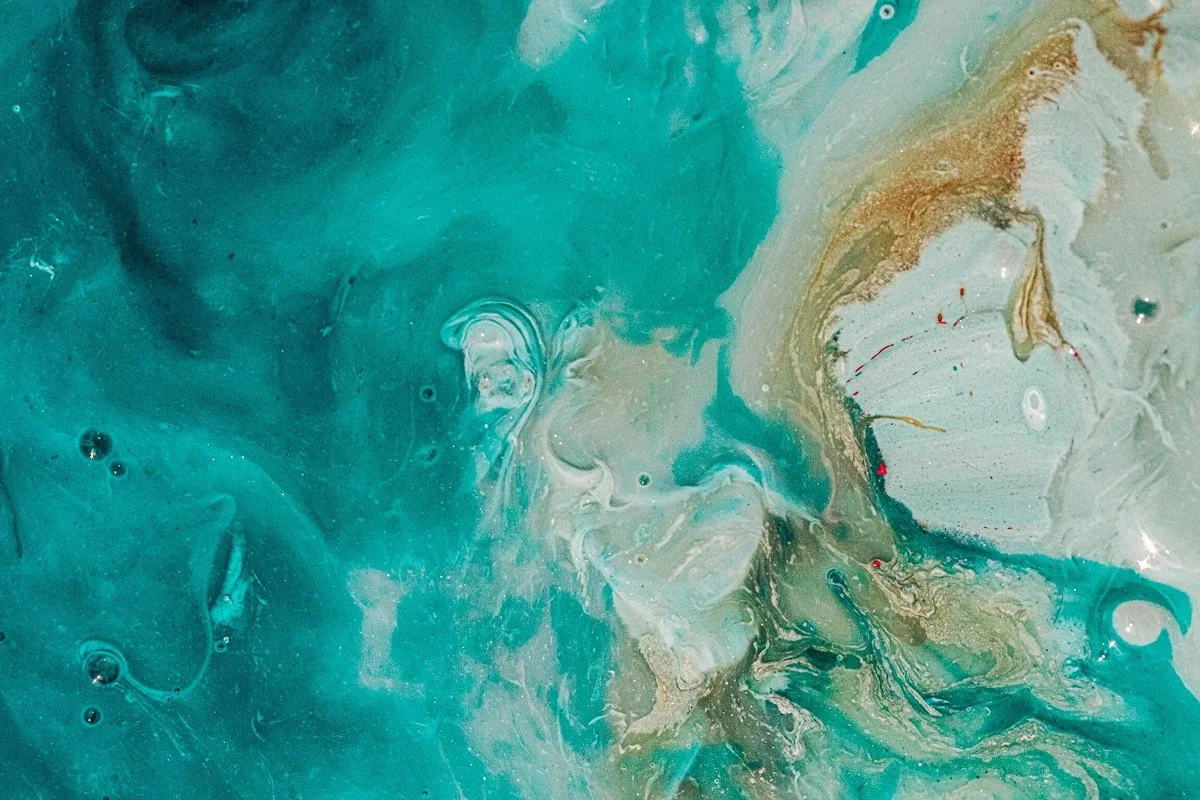
Lukas Griffin's own photography takes a different path than staged still life. His work leans into leaving things exactly as they are, rather than composing them.
That contrast is worth noting. A still life photographer controls every detail, while Lukas's approach removes that control, trusting what's already there.
Seeing both approaches side by side makes each one easier to appreciate. Neither is more valid than the other, just a different answer to the same question about intention.
Fine art still life photography rewards patience, both to make and to look at. That's what keeps the genre relevant centuries after it started.
If intention and detail speak to you, his broader collection of fine art photography is worth a look. It's a different subject, but it asks for the same kind of attention.
Wildlife, coastlines, and quiet moments in nature all come from that same instinct to look closely. His full body of work as a photographer is worth a look if that's what you're after.
Frequently Asked Questions
What is fine art still life photography?
It's photography that deliberately arranges inanimate objects using composition, light, and symbolism to create an artistic statement rather than simply document what's there.
What makes still life photography count as fine art?
Intention does. A fine art still life expresses an idea or a mood through arrangement and light, rather than just showing an object clearly for practical purposes.
What's the difference between traditional and contemporary still life photography?
Traditional work leans on painterly lighting and symbolism borrowed from classical art. Contemporary work favors minimalism, bold geometry, and unexpected objects instead.
What does still life symbolize in art?
It depends on the piece, but classic motifs like decaying fruit or a burning candle often point to time, mortality, or the fleeting nature of beauty.
How do I choose fine art still life photography for my home or business?
Start with your own emotional response to the piece. Then think about scale, color, and how the mood fits the space it's going into.
Is still life photography worth collecting?
Many collectors think so. The genre spans centuries of tradition and constantly evolving contemporary approaches, giving buyers real range in style and price.