Fine Art Portrait Photography as a Study in Human Connection

A great portrait does more than record a face. Fine art portrait photography turns that face into something you want to live with. It's less about who the sitter is and more about what the image makes you feel.
That shift from documentation to feeling is what separates fine art from every other kind of portrait work. A snapshot captures a moment. A fine art portrait captures a mood that outlasts it.
For buyers building a collection, that distinction matters more than technical skill. The real question isn't whether a portrait looks good today. It's whether it still moves you ten years from now.
What Makes a Portrait Count as Fine Art

The difference between a simple photo and portrait as fine art comes down to intent. A commercial headshot exists to identify someone. A fine art portrait exists to say something about being human.
Vision matters more than the camera used. The photographer makes deliberate choices about light, expression, and what stays out of frame. Nothing in a strong portrait feels accidental.
Craft matters too, but it serves the vision rather than the other way around. A technically flawless image with nothing to say isn't fine art. It's just a well-lit photograph.
Candid Moments Versus Composed Studio Work
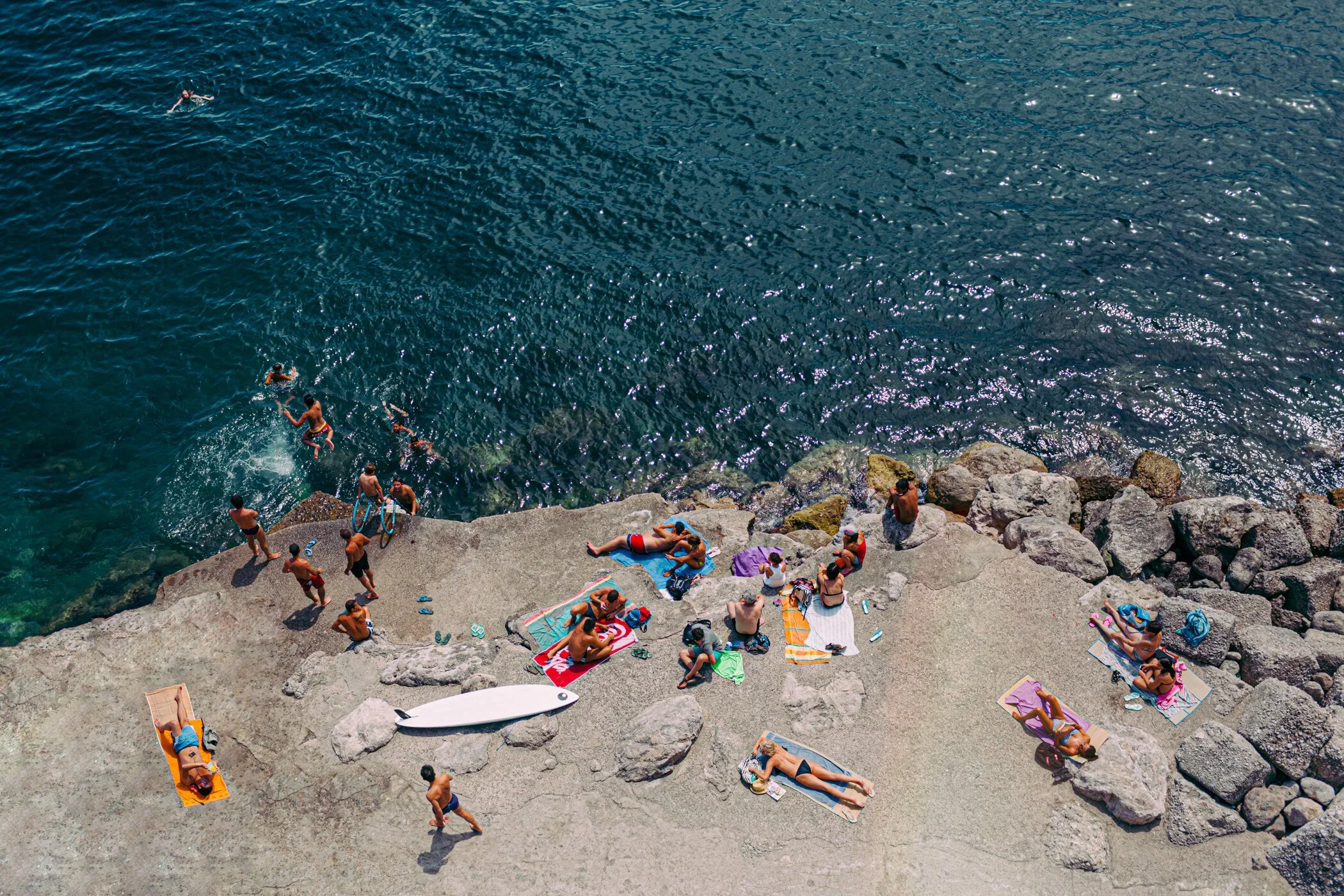
Fine art portraiture lives on a spectrum. On one end sits the composed studio portrait, built from controlled light and careful posing.
On the other sits something closer to the unscripted world of fine art street photography. There, the photographer catches a real moment as it happens.
Both approaches can produce work worth collecting. A composed portrait offers precision and control. A candid one offers honesty that's harder to fake.
Many collectors lean toward candid portraiture because it feels less performed. The subject isn't posing for the camera. They're just living, and the camera happens to be there.
When Portraiture Leans Into the Abstract
Not every fine art portrait shows a face clearly. Some of the most striking work in contemporary portrait photography blurs the line between likeness and mood.
A photographer might use motion, unusual framing, or heavy shadow to suggest a person rather than document them. This overlaps with the more interpretive side of fine art abstract photography. There, the point is feeling over literal representation.
This approach asks more of the viewer. Instead of recognizing a face, you're left to sense a presence. For some buyers, that ambiguity is what makes a piece worth living with.
What Makes a Fine Art Portrait Worth Collecting

Timelessness is the first thing to look for. A portrait tied too tightly to a trend or a fashion moment ages fast. The best collectible portrait photography feels just as relevant in twenty years as it does today.
Print quality carries real weight too. Edition size plays a bigger role in long-term value than most buyers realize. A smaller run generally holds up better over time.
Black and white remains a classic choice for portraiture. Choosing between color and monochrome for a portrait comes down to feeling. It's about how you want the piece to feel in your space.
Bringing a Portrait Into Your Space
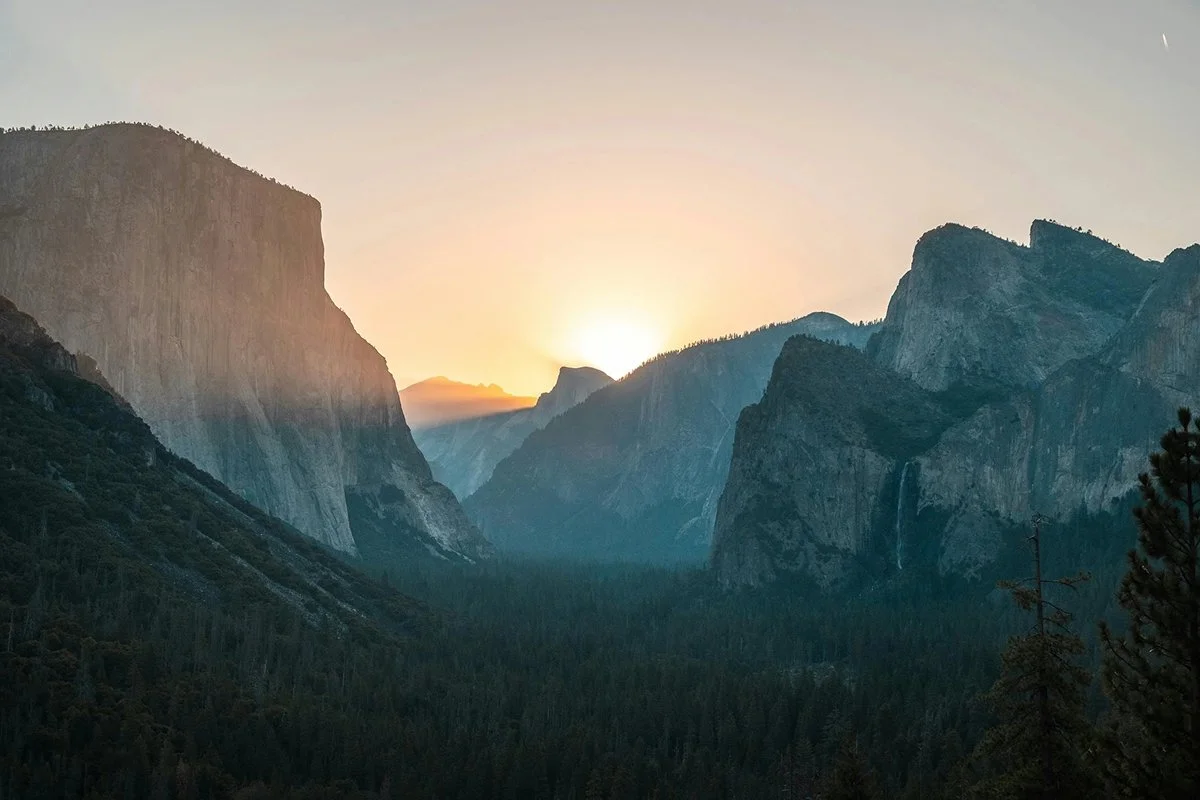
Scale changes everything once a fine art portrait photography piece leaves the gallery wall. A face printed too small loses its presence. One printed too large can overwhelm the room around it.
Getting the size right for your wall comes down to sightlines more than anything else. It's about viewing distance, not just the size of the empty wall space.
Framing choices shift the tone of a piece just as much as size does. If you're unsure what will work in your space, reaching out directly to ask a quick question helps. It's usually faster than guessing from a screen.
The Cultural Weight of Portraiture
Portraiture has always held a specific place in the art world. Major institutions have built entire collections around the practice. One of the country's largest portrait collections spans centuries of how people have chosen to be seen.
That history isn't just academic. It's a reminder that portraiture rewards patience, both from the photographer and the collector.
A museum exhibition built entirely around how people present themselves to the camera makes a similar point. It uses work spanning nearly two centuries.
Fine art portrait photography sits inside that same lineage. It's a young medium compared to painting, but it's already earned its place in that conversation.
A fine art portrait asks something of the person looking at it, not just the person in the frame. That's what makes the genre worth paying attention to as a collector.
Lukas Griffin's work is built around a similar kind of connection, just with a different subject. Wildlife, coastlines, and human moments in nature sit at the heart of his broader collection of fine art photography.
That same sense of presence carries through everything he shoots. If it draws you, his full body of work as a photographer is worth a look.
Frequently Asked Questions
What is fine art portrait photography?
It's portraiture created as an artistic statement rather than a functional record. Fine art portrait photography focuses on mood, vision, and feeling instead of simply identifying who's in the frame.
How is it different from regular portrait photography?
A standard portrait documents someone accurately. A fine art portrait interprets them, using light, framing, and mood to say something beyond a likeness. Intent separates the two more than technique does.
What makes a portrait valuable as a collectible?
Timelessness matters most. A portrait tied to a passing trend loses appeal quickly, while one built around genuine feeling tends to hold its value and relevance for decades.
How do I know if a portrait print is high quality?
Check the paper type, print resolution, and how well blacks and skin tones hold up in different lighting. A well-made print should look intentional up close, not soft or pixelated.
What size portrait works best for a living room or office wall?
It depends on viewing distance more than room size. A portrait viewed from across a room can go larger, while one near a desk or hallway usually works better smaller.
Do fine art portraits typically come in limited editions?
Many are, though it varies by photographer. Limited editions tend to hold long-term value better than open editions, since scarcity plays a real role in how collectible a piece becomes.