What Is Fine Art Nature Photography and Why It Transforms Any Space

There's a photograph of a wild horse mid-gallop. Another of waves dissolving into mist at the edge of a cliff. A third of dense tropical leaves so still they seem to hold their breath. None of these are documents. They're emotional experiences rendered in light.
That's what fine art nature photography does. It takes the natural world and turns it into something that belongs on a wall, in a collection, and in the rooms where you spend your life. It's the foundation of Lukas Griffin's work, which centers on the relationship between humans, wildlife, and the environments they share.
What Is Fine Art Nature Photography?
Fine art nature photography is the artistic interpretation of the natural world. The goal isn't documentation. It's expression.
A nature documentary photographer captures what's there. A fine art nature photographer captures what it feels like to be there. Every creative decision, from light and timing to composition and post-processing, serves an emotional vision rather than a factual record.
The result is work created for galleries, collections, and spaces where art adds meaning to daily life. It's nature photography at its most intentional.
Key Styles in Fine Art Nature Photography
Fine art nature photography isn't a single look. It covers a wide range of visual approaches, each with its own emotional register.
Landscape Photography
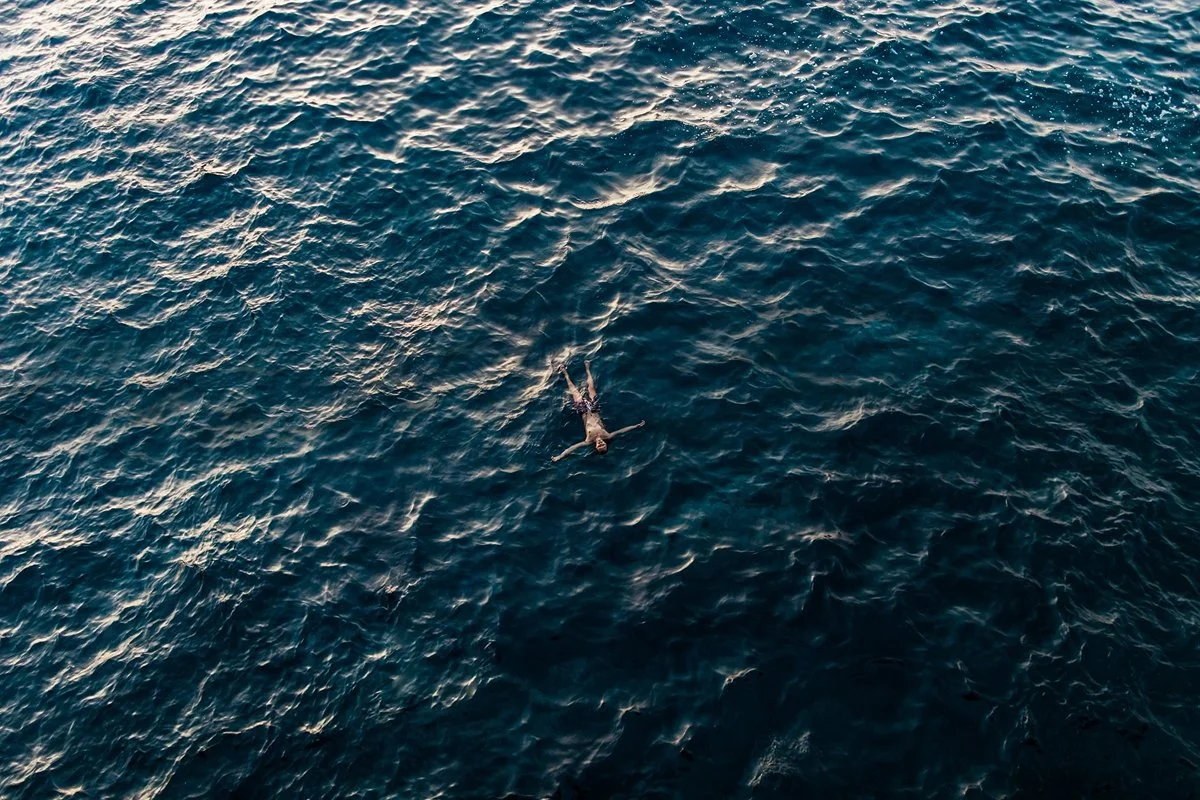
Landscape fine art photography translates outdoor environments into mood-driven images. It's less about documenting a place and more about communicating the feeling of being in it. Scale, light, and atmosphere do most of the emotional work.
Abstract Nature Photography
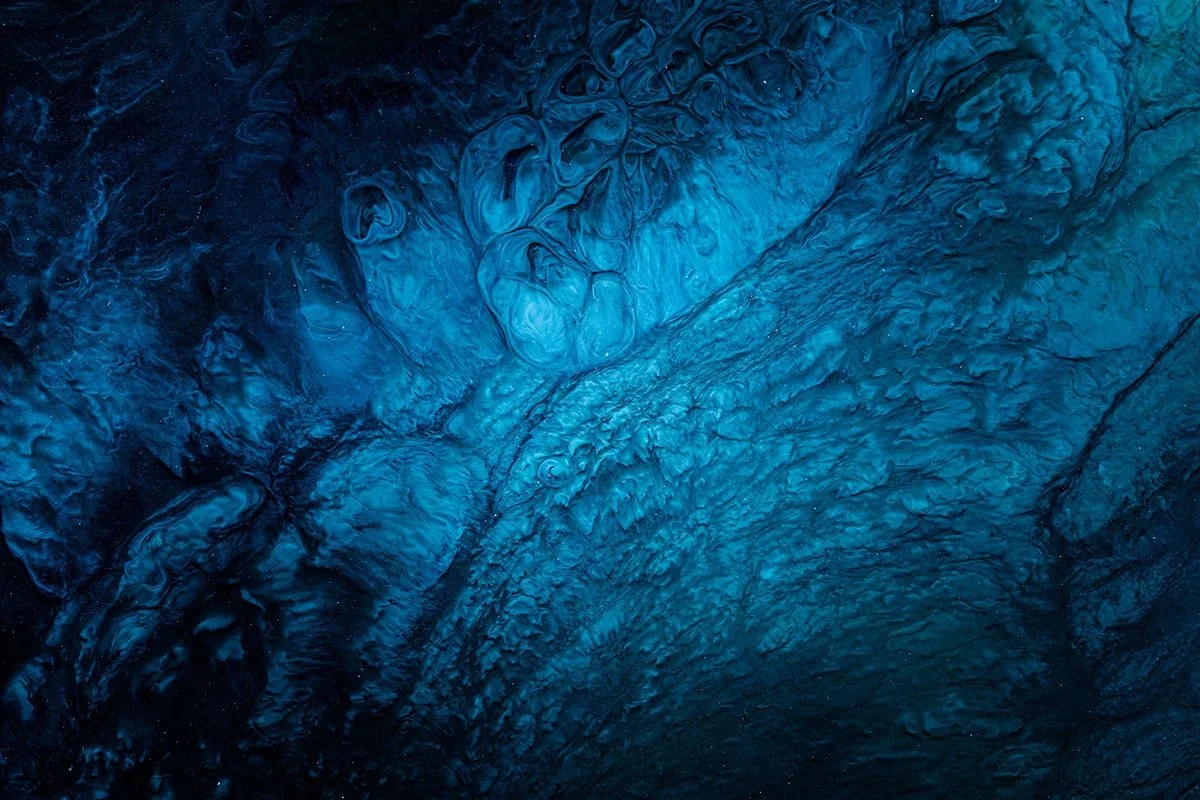
Abstract nature photography isolates textures, patterns, and forms from their broader context. A close detail of bark, water, or stone becomes something entirely new when separated from its surroundings. These images reward close attention and often work beautifully as statement pieces.
Minimalist Nature Photography
Minimalist work strips a scene to its essentials. A single tree against a pale sky. A lone bird over still water. The simplicity amplifies the emotional impact rather than diminishing it. These images bring calm and focus to any space.
Black and White Nature Photography
Removing color forces the image to communicate through form, contrast, and texture alone. Black and white nature photography has a timeless quality that fits naturally into both contemporary and traditional interiors.
Wildlife and Intimate Nature
At its finest, wildlife photography captures something beyond behavior. It reveals the quiet intelligence, the raw energy, or the vulnerability of living creatures in their environments. These images carry a depth that purely landscape-focused work rarely achieves.
What Makes a Nature Photograph Fine Art?
Not every technically accomplished nature photograph qualifies as fine art. Several qualities consistently separate the two.
Artistic intent comes first. The photographer isn't fulfilling an assignment. They're communicating a specific vision, and every choice in the frame supports that intention.
Composition and light are handled with deliberate precision. Fine art photographers wait for the right conditions, position themselves with care, and use post-processing to refine rather than rescue the image. Print quality is the final piece. Fine art nature photography prints are produced on museum-grade materials built to last for generations.
The Creative Process Behind Fine Art Nature Photography
The process behind a fine art nature photograph is far more layered than it appears from the finished image.
It starts with intention. The photographer identifies what they want the viewer to feel before they set foot in the field. Location matters deeply, and some locations around the world draw fine art photographers back repeatedly because of their emotional and visual possibilities.
In the field, timing and conditions drive everything. Fine art nature photographers chase specific light, wait out weather, and return to locations across different seasons. Organizations like the North American Nature Photography Association have long championed the ethical and artistic standards that define serious work in this field. Post-processing brings the image in line with the original vision, and print production completes the journey from field to wall.
Why Fine Art Nature Photography Is Valuable
The value of fine art nature photography is both emotional and financial.
Emotionally, a well-chosen nature photograph changes the atmosphere of a room. It brings the natural world indoors and anchors a space with a sense of place, calm, or energy that few other art forms deliver as consistently.
Financially, limited edition nature prints from established photographers hold and grow in value over time. Edition size, print quality, and artist reputation all drive long-term appreciation. As the Smithsonian American Art Museum's guidance on print authenticity and collecting makes clear, understanding what you're buying matters as much as loving what you're looking at.
How to Choose the Right Fine Art Nature Prints
Match Art to Your Space
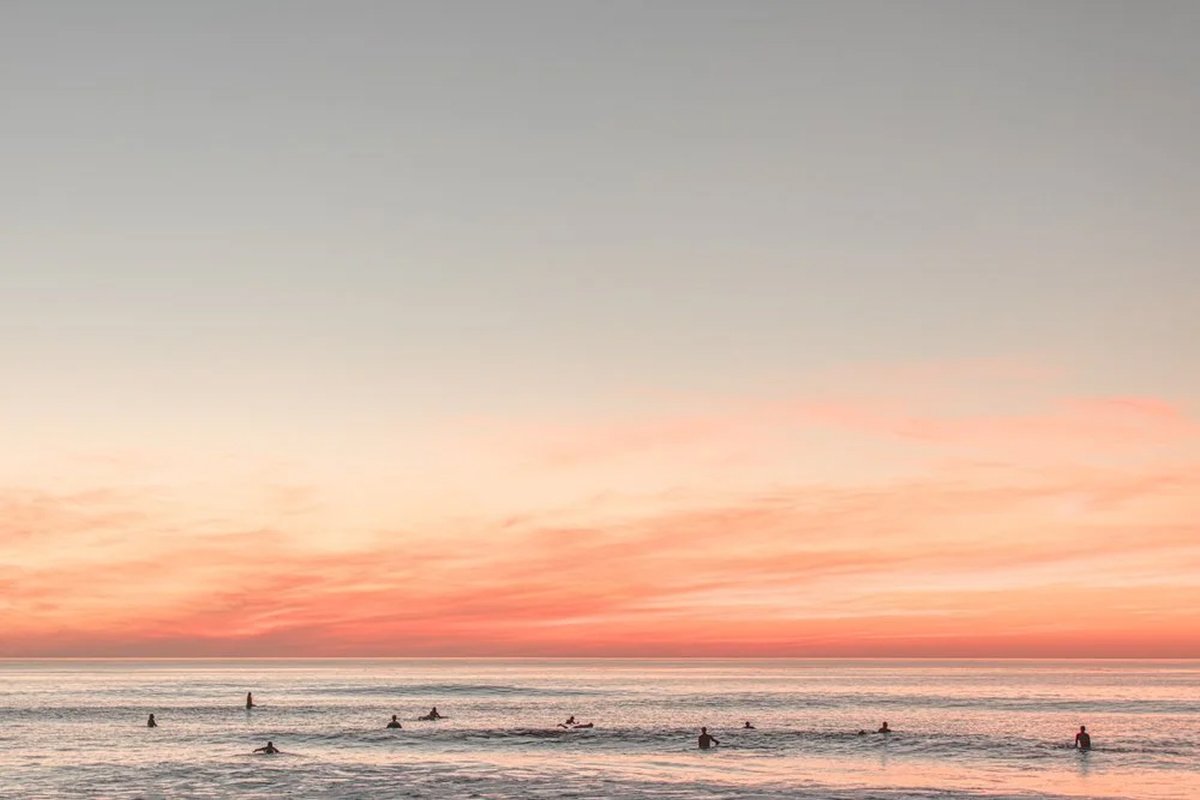
Start with the feeling you want the room to have. A dramatic wildlife image creates energy and presence. A soft, minimalist landscape creates calm. Neither is better, but they serve different purposes and different rooms.
Understand Print Types and Materials
Museum-quality fine art prints are produced on archival papers or aluminum using pigment inks designed to last for generations. The material affects both the visual quality and the longevity of the piece. Framed paper prints, acrylic face mounts, and metal prints each deliver a different feel on the wall.
Limited vs Open Edition Prints
Limited edition nature prints are produced in a fixed, predetermined quantity. Each print is numbered and signed, and no further prints are made once the edition is complete. Open editions have no such restriction. For collectors focused on long-term value, limited editions are always the stronger choice.
Size and Placement
Large-format nature photography wall art commands attention and works best in open spaces with room to breathe. Smaller prints suit intimate rooms and collection groupings. Always consider the viewing distance, since fine art prints reveal more detail up close than they do from across the room.
Exploring Fine Art Nature Photography Collections
Fine art nature photography is most powerful when it comes from a coherent artistic vision rather than a collection of unrelated individual images.
Thematic collections, grouped around subjects like ocean environments, wildlife, or botanical forms, create a sense of artistic intention that elevates each individual piece. Geographic collections, organized around specific landscapes or regions, bring a strong sense of place to an interior. Browsing available fine art photography collections is the most direct way to understand what a photographer's artistic vision actually looks like across a body of work.
How to Start Your Fine Art Photography Collection
Starting a fine art nature photography collection doesn't require a large budget or deep expertise. It requires clarity about what resonates with you.
Begin with a single piece that genuinely moves you. Live with it. Pay attention to how it changes the space and how you feel around it. That experience tells you more about what to collect next than any guide can.
As your collection grows, prioritize coherence. Work by a photographer with a consistent artistic voice creates natural harmony across multiple pieces. Consider scale and placement from the beginning, since a collection that works together as a whole is more powerful than a series of individually strong images in tension with each other.
Where Fine Art Nature Photography Belongs
Fine art nature photography belongs in homes where the natural world feels distant. It belongs in offices where calm and focus matter. It belongs in hospitality spaces where first impressions carry weight. And it belongs in collections built by people who understand that beauty and long-term value don't have to be in conflict.
The natural world is the oldest and most universal source of artistic inspiration. Bringing it into your space, in the form of work made with genuine care and artistic vision, is one of the most lasting choices you can make for any room.
If you'd like help finding the right piece for your space, get in touch and let's talk through what you're looking for.
Frequently Asked Questions
What is the difference between fine art and nature photography?
Nature photography documents the natural world as it is. Fine art nature photography interprets it through a photographer's personal vision. The difference is intent. One records. The other communicates a specific emotion, mood, or idea through every creative decision in the frame.
Why are fine art photography prints expensive?
Price reflects artistic vision, production quality, and scarcity. Limited editions, museum-grade materials, and the time invested in creating and producing each image all contribute. You're not buying a reproduction. You're acquiring an original work with genuine long-term value.
What is a limited edition photography print?
A limited edition print is produced in a fixed, predetermined quantity. Each print is numbered and signed, and no additional prints are made once the edition is complete. This scarcity gives the work collectible value and protects the investment of everyone who owns a print.
How do I choose the right size for a photography print?
Consider the wall dimensions, the viewing distance, and the room's purpose. Large-format prints work best as statement pieces in open spaces. Smaller prints suit intimate settings or groupings. When in doubt, go larger. Most people underestimate how much presence a well-scaled print adds to a room.
What materials are best for fine art prints?
Archival cotton or baryta papers with museum-grade pigment inks are the gold standard for longevity and visual quality. Acrylic face mounts add depth and brilliance. Metal prints offer a sleek, contemporary finish. The best choice depends on the image and the space it will live in.
Is fine art nature photography a good investment?
Yes, when approached thoughtfully. Limited edition prints from established photographers with consistent reputations tend to hold or appreciate in value over time. The combination of aesthetic pleasure and financial potential makes fine art nature photography one of the most rewarding categories to collect.
How can I tell if a photograph is truly fine art?
Look for artistic intent, technical excellence, and proper documentation. A certificate of authenticity, edition numbering, and the artist's signature are standard with legitimate fine art prints. Beyond credentials, the image itself should communicate something beyond its literal subject.
Where should I hang nature photography in my home or office?
Hang it where it will be seen regularly and where it has room to breathe. Living rooms, hallways, and offices are natural choices. Avoid direct sunlight and high-humidity areas like bathrooms. Scale matters too. A large print needs adequate wall space to make its full impact.
What makes a landscape photo fine art?
Artistic intent, mastery of light, and emotional depth. A fine art landscape doesn't just show a beautiful place. It communicates how that place feels, using composition, timing, and post-processing to serve a single emotional vision rather than simply recording what was there.
Should I buy directly from a photographer or a gallery?
Both are valid options. Buying directly from a photographer gives you authenticity, access to limited editions as they're released, and a direct connection to the creative process behind the work. It also tends to offer better value since there's no gallery commission built into the price.