Fine Art Landscape Photography: From the Natural World to Your Wall

There's a difference between a photograph of a landscape and fine art landscape photography. One records a place. The other captures what it feels like to be there.
That distinction matters whether you're a first-time buyer or a seasoned collector. The works that hold their power, and their value, are the ones built around genuine artistic intent. Lukas Griffin's photography is grounded in that idea, capturing the emotional relationship between humans, wildlife, and the natural world.
What Is Fine Art Landscape Photography?
Fine art landscape photography is the artistic interpretation of natural and outdoor environments. It's not about documentation. It's about communicating mood, atmosphere, and a personal vision of the world.
The photographer isn't simply pointing a camera at a beautiful scene. Every creative decision, from timing to composition to post-processing, serves an emotional goal. That intention is what separates fine art from scenic photography.
Several qualities consistently set fine art landscape photography apart from other outdoor photography.
Artistic Vision Over Documentation
A fine art landscape photographer doesn't show you what a place looks like. They show you how it felt to be there. Institutions that have built some of the most respected photography collections in the country have long treated this distinction seriously, curating landscape photography with the same rigor applied to painting and sculpture.
Mastery of Light
Light is the most powerful tool in landscape photography. Fine art photographers study it, chase it, and wait for it. Golden hour warmth, dramatic storm light, and long shadows all shape the emotional tone of an image before the shutter is pressed.
Intentional Composition
Every element in the frame serves the image. Leading lines guide the eye. Negative space creates room to breathe. Balance, or deliberate imbalance, creates tension or calm depending on what the image needs. Landscape photography composition at this level is never accidental.
Emotional Impact
The best fine art landscape photographs stay with you. A fog-covered coastline becomes a meditation on solitude. A wild, windswept plain communicates freedom and scale. The image resonates because it taps into something universal.
Key Techniques in Fine Art Landscape Photography
Understanding how these images are made deepens your appreciation of them. These are the core landscape photography techniques that define the genre.
Light timing. Sunrise and sunset offer the most directional, emotionally charged light. Many fine art landscape photographers plan shoots entirely around these windows.
Long exposure. Extended shutter speeds transform moving water and clouds into something painterly and still. Long exposure landscapes carry a sense of calm that's hard to achieve any other way.
Weather utilization. Fog, storms, and overcast skies create atmospheric photography that clear, bright days rarely deliver. Challenging conditions are often sought out, not avoided.
Minimalism. Stripping a scene to its most essential elements creates images with real visual impact. Minimalist landscape photography relies on simplicity to carry its emotional weight.
Post-processing for artistic effect. Editing is a natural extension of the creative process. Tonal adjustments, color grading, and contrast work help the photographer realize their original vision for the image.
The goal behind all of it is communicating how a scene felt, not just what it looked like. That priority drives every technique decision a fine art landscape photographer makes.
Popular Styles of Fine Art Landscape Photography
Artistic landscape photography covers a wide range of visual styles. Each one attracts a different kind of collector and suits different kinds of spaces.
Minimalist landscapes use negative space and simple forms to create calm, meditative images. They work particularly well in modern interiors.
Black and white landscape photography removes color entirely. What remains is form, texture, light, and shadow at their most essential.
Abstract landscapes transform natural subjects into compositions of shape, color, and pattern. These images reward close attention and often serve as statement pieces.
Dramatic or epic landscapes lean into scale, weather, and intensity. They command attention on large walls and in open spaces.
Soft, atmospheric scenes prioritize mood over spectacle. Mist, diffused light, and gentle tones create imagery that feels quiet and contemplative.
From Vision to Artwork: How Fine Art Landscapes Are Created
The process behind a fine art landscape photograph is far more deliberate than it might appear.
It starts with a concept or emotional intention. The photographer asks what they want the viewer to feel, then builds every subsequent decision around that. Location scouting follows, and some of the world's most compelling locations for fine art landscape photography draw photographers back repeatedly for their visual and emotional possibilities.
On the day of the shoot, timing and conditions are everything. The photographer waits for the right light, the right weather, the right moment. Multiple compositions are considered before a frame is captured.
Post-processing refines the image to match the original vision. The final step is printing and presentation, where material choices directly affect how the finished piece looks and lasts on a wall.
Why Fine Art Landscape Photography Belongs in Your Space
For Your Home
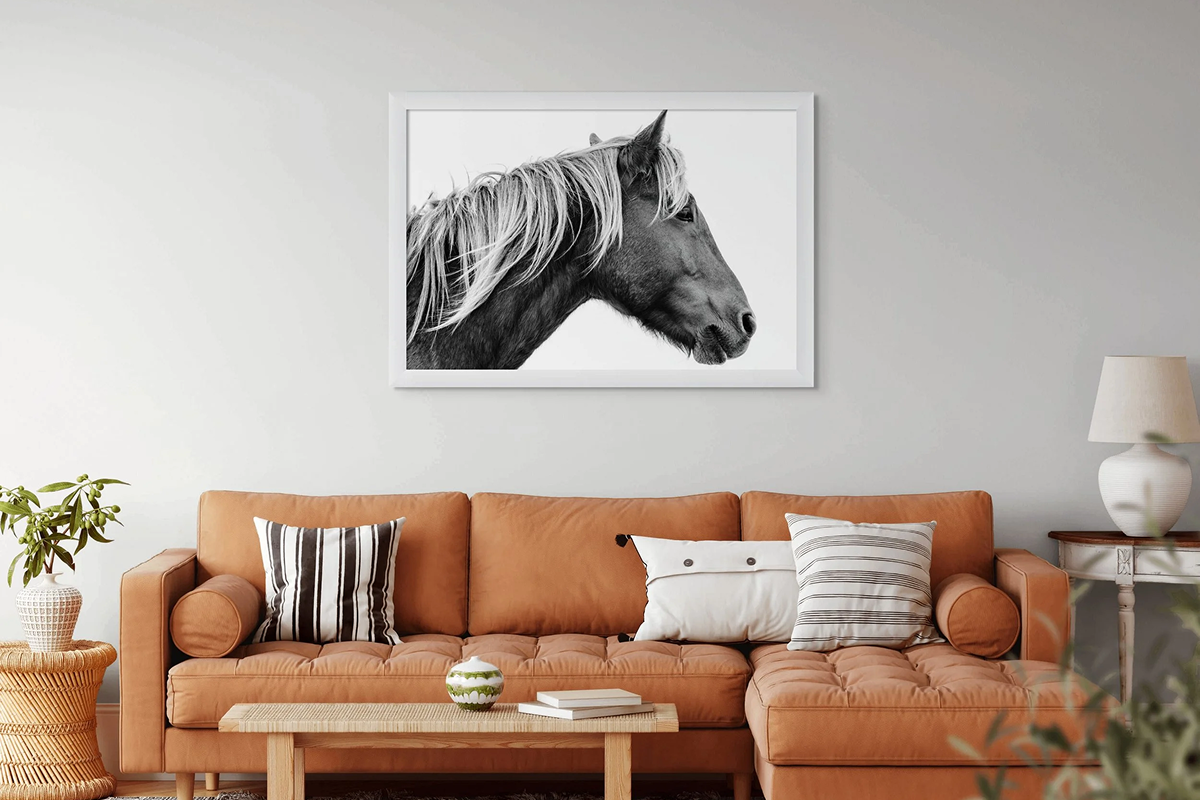
A well-chosen landscape photograph transforms a wall into a point of arrival. It brings the natural world indoors and anchors a room with a sense of place and feeling. If you're ready to find a piece that resonates, there are a lot of fine art landscape photography prints in the market that could fit your space.
For Your Business
Hotels, offices, and hospitality spaces use landscape photography wall art to communicate atmosphere without words. A wide, moody coastal image sets a very different tone than a soft, minimalist forest scene. The right choice reflects your brand and elevates the experience of everyone in the room.
For Your Collection
Collectible landscape photography has earned serious recognition among art collectors. Limited edition landscape photography with proper documentation holds value over time, particularly from photographers with a consistent body of work and growing reputations. The combination of aesthetic pleasure and long-term investment potential makes it one of the most compelling fine art categories to collect.
How to Choose the Right Print for Your Space
Start with the feeling you want the room to have. A dramatic, high-contrast image creates energy. A soft, atmospheric piece creates calm. Neither is better, but they serve very different purposes.
Consider scale carefully. Large-format landscape art for interiors works best when the room has space to let the image breathe. Smaller works suit intimate settings and collection groupings. Color palette matters too, since the tonal range of the image should complement the room rather than compete with it.
Choosing work from a photographer with a consistent artistic voice helps when building a collection over time. A body of work with a unified vision creates natural cohesion across multiple pieces.
What to Look for in Fine Art Landscape Prints
Print quality separates gallery-quality landscape prints from mass-produced reproductions. Here's what to evaluate before you buy.
Materials. Archival papers and museum-grade inks are non-negotiable for long-term preservation. A closer look at fine art print materials and finishes helps you understand exactly what you're investing in.
Edition size. Limited editions with numbered prints hold more value than open editions. Smaller editions generally carry higher long-term value.
Authentication. A certificate of authenticity and the artist's signature confirm the print's legitimacy as a collectible work.
Presentation. Framing and mounting choices affect both the visual impact and the longevity of the print. Museum-grade glazing protects the image from UV damage over time.
Bringing a Landscape Home
Fine art landscape photography belongs anywhere that deserves more than a blank wall. It belongs in homes where the natural world feels far away. It belongs in offices where calm and focus matter. It belongs in collections built by people who know that beauty and investment aren't mutually exclusive.
If you're ready to bring a piece of the natural world into your space, get in touch to talk through what you're looking for.
Frequently Asked Questions
What is fine art landscape photography?
Fine art landscape photography is the artistic interpretation of natural environments through a photographer's personal vision. Unlike scenic photography, it prioritizes mood, emotion, and conceptual intent over documentation, producing images made for galleries, collections, and meaningful display.
How is fine art landscape photography different from regular landscape photography?
Regular landscape photography documents how a place looks. Fine art landscape photography communicates how it feels. The difference lies in artistic intent, compositional deliberateness, and the emotional depth the photographer brings to every creative decision.
What techniques are used in fine art landscape photography?
Key techniques include precise light timing, long exposure, weather utilization for atmosphere, minimalist composition, and intentional post-processing. Each technique serves the photographer's emotional or conceptual goal rather than simply improving technical quality.
What makes a landscape photo look artistic?
Intentional composition, mastery of light, and emotional depth are the three main factors. An artistic landscape image doesn't just show a beautiful place. It communicates something specific about how that place feels, using every visual element to support a single idea.
Are fine art landscape prints worth buying?
Yes, for both aesthetic and investment reasons. Limited edition prints from established photographers tend to hold or appreciate in value over time. A well-chosen landscape print also transforms a space in ways that few other decorative choices can match.
How do I choose landscape photography for my home or office?
Start with the mood you want to create, then consider scale, color palette, and how the image relates to the space. Choose work by a photographer whose overall vision resonates with you, not just a single image you happen to like in isolation.
What is the best size for landscape wall art?
It depends on the wall and the room. Larger prints work best as statement pieces in open spaces with room to breathe. Smaller prints suit intimate settings or collection groupings. Always consider viewing distance, since fine art prints reveal more detail up close.
What materials are used for fine art photography prints?
Fine art landscape prints are typically produced on archival cotton or baryta papers using museum-grade pigment inks. Some photographers also offer acrylic face mounts or aluminum prints, each offering different visual qualities and levels of longevity.
Where can I buy fine art landscape photography for sale?
You can buy from galleries, curated online platforms, or directly from the artist. Buying directly ensures authenticity, access to limited editions as they're released, and a personal connection to the work and its creative context.
Why are some landscape photographs sold as limited editions?
Limited editions create scarcity where none would otherwise exist. By committing to a fixed number of prints, the photographer treats their work as a collectible object rather than a commodity. This protects collectors' investments and gives the work genuine market value over time.