Fine Art Wildlife Photography: From Powerful Moments to Collectible Art

A wild horse moving at full speed. A pelican suspended in the moment before its dive. A bird caught in the stillness of early morning light. These aren't lucky snapshots. They're the result of artistic vision, patience, and an understanding of what separates a remarkable image from a forgettable one.
Fine art wildlife photography turns those moments into something permanent. It's where the raw energy of the natural world meets the craft of a photographer who knows exactly what they're looking for.
What Is Fine Art Wildlife Photography?
Fine art wildlife photography is the artistic interpretation of animals and their environments. It isn't documentary photography. It isn't photojournalism. It's photography made with a personal artistic vision, where the animal becomes the subject of genuine creative storytelling rather than scientific record-keeping.
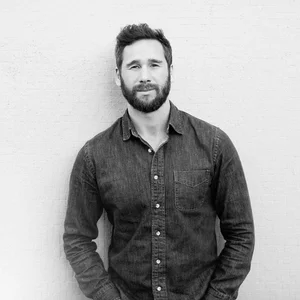
Fine art nature photography provides the broader context. Within that world, wildlife photography occupies its own distinctive territory, one where behavior, emotion, and the relationship between creatures and their environments drive every creative decision. That philosophy runs through Lukas Griffin's work, centered on the intimate relationship between humans, wildlife, and the natural world.
Why Wildlife Photography Resonates So Deeply
Animals carry meaning in ways that landscapes and architecture rarely match. They communicate vulnerability, power, freedom, and wildness all at once. A single image of a horse in open terrain or a bird riding a coastal wind can evoke something primal that most viewers can't fully articulate but immediately feel.
The power of wildlife photography to move people runs deeper than aesthetics alone. It connects viewers to environments they may never visit and species they may never encounter in person. That emotional connection is what makes fine art wildlife photography some of the most compelling work in any collection.
Styles in Fine Art Wildlife Photography
Fine art wildlife photography isn't one visual approach. It covers a range of styles, each with its own emotional register and spatial qualities.
Dramatic Wildlife Portraits
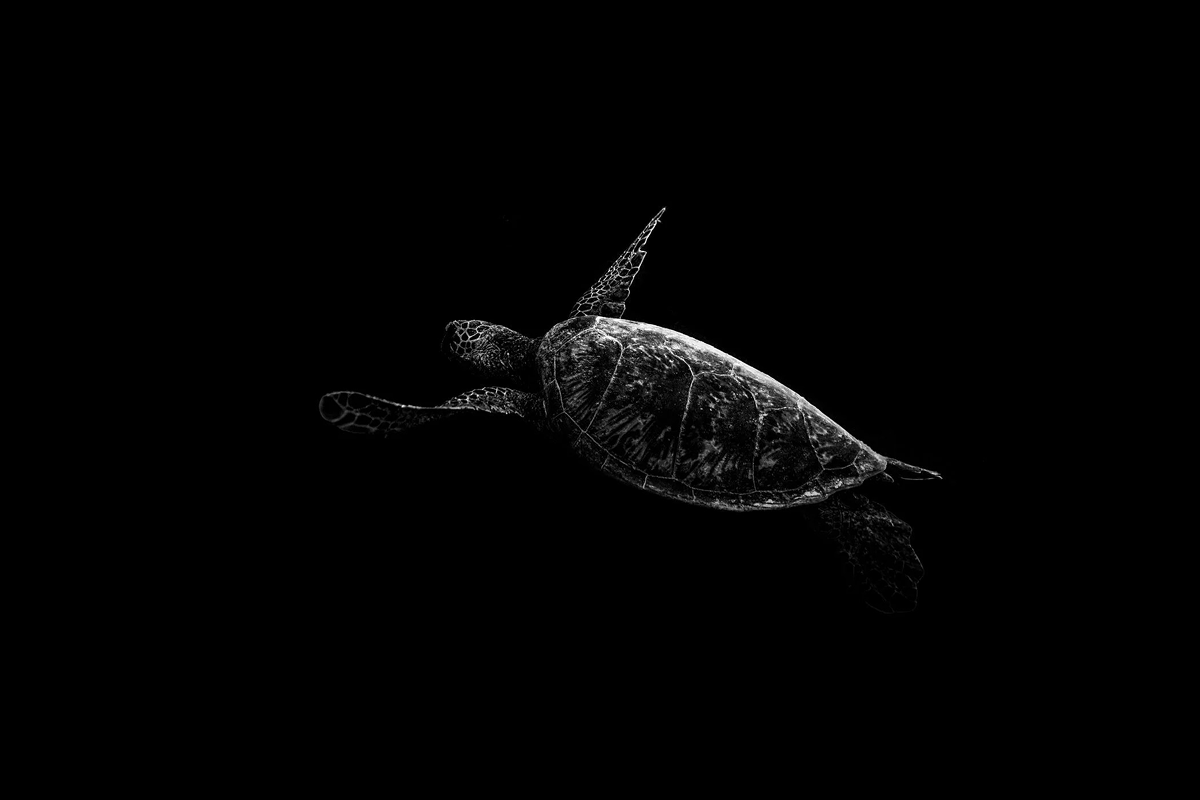
Dramatic wildlife portraits isolate a single animal against a compressed or dark background. The focus is entirely on presence, expression, and character. These images command attention and work powerfully as statement pieces in living rooms and hospitality spaces with room for visual impact.
Environmental Wildlife Photography
Environmental wildlife photography places the animal within its broader habitat. The landscape becomes part of the story. These images communicate the scale, vulnerability, or freedom of a creature in its natural context, giving viewers a fuller sense of the world the animal inhabits.
Black and White Wildlife Art
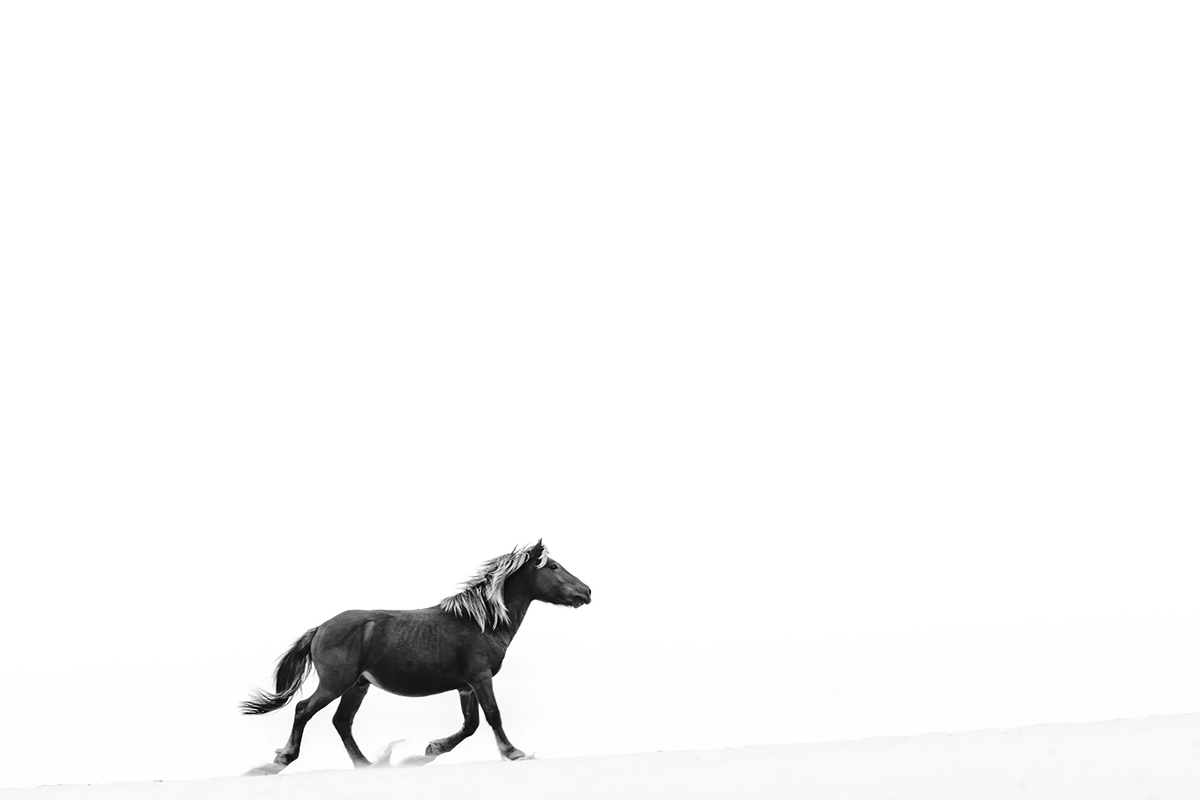
Removing color shifts attention to form, texture, and light. Black and white wildlife photography strips an image to its most essential visual qualities. A horse in monochrome becomes pure form and motion. A bird in silhouette becomes a study in negative space and line.
Minimalist Wildlife Photography
Minimalist wildlife photography places a single subject in a clean, open frame. A lone bird against a pale sky. A creature barely visible at the edge of still water. These images use restraint and negative space to create calm and meditative qualities that suit contemporary home environments particularly well.
What Makes Wildlife Photography Fine Art?
Not every technically accomplished wildlife photograph qualifies as fine art. The qualities that separate the two are worth understanding before you start collecting.
Artistic intent comes first. The photographer isn't fulfilling an assignment or capturing evidence of a sighting. They're communicating something specific about wildness, freedom, vulnerability, or beauty. Composition and timing serve that intention. Wildlife photography as storytelling at its most ambitious treats every species as a subject worthy of genuine artistic attention rather than documentation.
Print quality completes the picture. Fine art wildlife prints are produced on museum-grade archival materials that preserve both the image and its emotional impact for decades.
From Wild Moment to Fine Art Print
The journey from a captured image to a finished fine art print is where the photograph becomes a collectible object. Post-processing refines the emotional atmosphere of the image, enhancing mood without fabricating one. Material selection shapes how the finished piece looks and feels on a wall.
Limited edition wildlife prints carry genuine collectible value because scarcity is built in from the start. Each numbered and signed print represents a specific moment in an artist's body of work. Once the edition closes, no further prints are made. That commitment protects the value of every print in the edition and signals that the photographer treats their work as a serious art object.
Choosing Wildlife Photography for Your Space
The right wildlife print depends on the space and the emotional tone it needs to carry.
| Space | Recommended Style |
|---|---|
| Living room | Bold, dramatic animal portraits |
| Home office | Minimal, calm wildlife studies |
| Hotel or hospitality | Large-scale environmental or impact prints |
| Gallery or collector display | Conceptual or black and white wildlife art |
Consider scale carefully. Wildlife photography rewards large formats. A dramatic animal portrait printed at scale fills a wall with genuine presence. Smaller prints suit intimate settings or collection groupings where multiple pieces build a cohesive sense of the natural world.
The Artist's Perspective on Wildlife
Wildlife subjects demand a different kind of patience from a photographer. You can't direct an animal or return to the same precise conditions on demand. Every session requires preparation, stillness, and a willingness to wait for the moment rather than force it.
That quality of attention is what gives fine art wildlife photography its emotional authority. Lukas Griffin's Equus Libre and Saltwing collections within his fine art photography reflect this philosophy directly. Wild horses in open terrain and coastal birds in flight capture freedom, energy, and the natural world's indifference to human presence. These aren't manufactured images. They're earned ones.
Why Collect Fine Art Wildlife Photography
Fine art wildlife photography works in spaces that need more than decoration. It brings the natural world indoors with genuine emotional force. A well-chosen wildlife print transforms a room in ways that abstract or decorative art rarely achieves.
Limited edition prints from photographers with consistent, developed bodies of work hold their value over time. Edition size, print quality, and the strength of the artist's reputation all contribute to long-term appreciation. The combination of aesthetic impact and investment potential makes fine art wildlife photography one of the most rewarding categories to collect.
Where the Wild Things Belong
Fine art wildlife photography belongs in homes where the natural world feels present even from inside four walls. It belongs in offices where the energy and focus of a great animal image sets a tone without words. It belongs in collections built by people who understand that wildness, captured with genuine artistic vision, produces some of the most powerful art available.
If you'd like guidance finding the right wildlife print for your space or collection, get in touch and let's talk through what you're looking for.
Frequently Asked Questions
What is fine art wildlife photography?
Fine art wildlife photography is the artistic interpretation of animals and their environments through deliberate creative vision. It prioritizes emotional storytelling and personal artistic intent over documentation, producing images made for galleries, collections, and meaningful long-term display.
How is it different from regular wildlife photography?
Regular wildlife photography documents animal behavior or captures evidence of a sighting. Fine art wildlife photography pursues a personal artistic vision using animals as subjects. The difference is creative intent, artistic consistency across a body of work, and the end destination of the image.
Why are wildlife prints expensive?
Price reflects artistic vision, production quality, and scarcity. Limited editions, museum-grade archival materials, and the patience required to capture genuinely powerful wildlife images all contribute. A serious fine art wildlife print is a collectible object, not a reproduction.
What makes wildlife photography fine art?
Artistic intent, compositional deliberateness, and emotional depth. A fine art wildlife photograph communicates something beyond its literal subject. It uses every visual element to serve a specific emotional intention rather than simply recording an animal in acceptable technical quality.
Who are the best wildlife photographers?
Notable fine art wildlife photographers include Art Wolfe, known for his powerful natural world imagery, Thomas Mangelsen for his five decades of wildlife work, and Joel Sartore for his landmark Photo Ark project. Each brings a distinct artistic vision to wildlife as subject matter.
What styles exist in fine art wildlife photography?
The main styles are dramatic wildlife portraits, environmental wildlife photography, black and white wildlife art, and minimalist wildlife photography. Each communicates through different visual approaches and suits different kinds of spaces and collector preferences.
How do I choose wildlife art for my home?
Start with the mood you want the room to carry. Bold and dramatic wildlife portraits suit spaces where visual impact matters. Minimal or black and white work suits calmer environments. Match the emotional tone of the image to the purpose of the room rather than simply choosing a subject you like.
Are wildlife photography prints a good investment?
Yes, when chosen thoughtfully. Limited edition prints from photographers with growing reputations tend to hold or appreciate in value over time. Edition size, print quality, and the consistency of the photographer's body of work all influence long-term collectible value.
What is the best size for wildlife wall art?
Large formats suit open spaces where the print needs to command visual attention. Smaller prints work well in intimate rooms or collection groupings. Always consider viewing distance, since fine art wildlife prints reward close attention and reveal more detail in person than at a distance.
Where can I buy fine art wildlife photography prints?
Fine art wildlife photography prints are available through galleries, curated online platforms, and directly from photographers. Buying directly from an artist gives you authenticity, access to limited editions as they're released, and a direct connection to the creative context behind the work.